
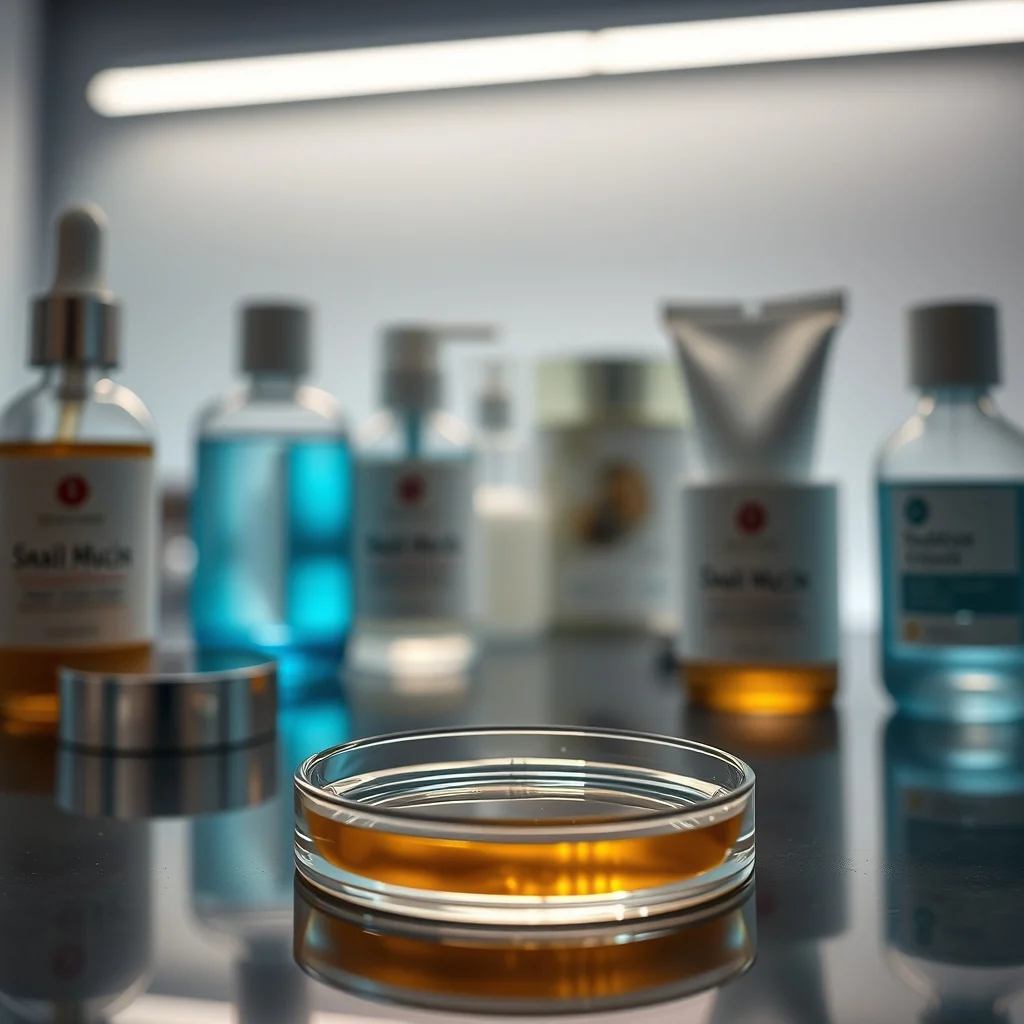
In the ever-evolving landscape of global skincare, few ingredients have captured the imagination—and the complexions—of beauty enthusiasts quite like Snail Mucin Radiance. Once a niche curiosity confined to Korean beauty laboratories, snail secretion filtrate has transcended its humble origins to become a cornerstone of authentic Korean skincare, prized for its unparalleled ability to repair, hydrate, and illuminate the skin. The phenomenon is not merely a trend but a testament to Korea’s relentless innovation in skincare science, where tradition and cutting-edge biotechnology converge to redefine radiance. As of 2024, the global snail mucin market is projected to exceed $800 million, with South Korea accounting for nearly 40% of production, according to a report by Grand View Research. Yet, the story of snail mucin’s ascent is as much about cultural perception as it is about clinical efficacy, raising questions about the intersection of nature, science, and consumer psychology in modern beauty.
This article examines the Snail Mucin Radiance movement through a 360-degree lens, tracing its historical roots, dissecting its biochemical mechanisms, and analyzing its systemic impact on the global skincare industry. From the laboratories of Seoul to the vanities of New York and Paris, snail mucin has become a symbol of Korea’s ability to transform the unconventional into the indispensable. The ingredient’s journey reflects broader shifts in skincare philosophy, where multi-functional, results-driven formulations are prized over fleeting trends. As brands and consumers alike grapple with the ingredient’s potential, the debate over its long-term role in skincare routines continues to evolve, shaped by scientific advancements, regulatory scrutiny, and the ever-changing demands of the beauty market.
The Origins and Historical Context of Snail Mucin in Skincare
The use of snail mucin in skincare is not a modern invention but a practice with roots stretching back centuries. Historical records from ancient Greece and Rome document the use of snails for medicinal purposes, including wound healing and skin rejuvenation. However, it was in 20th-century Chile where the modern skincare application of snail mucin began to take shape. In the 1980s, farmers handling snails in the country’s vineyards noticed that their hands became remarkably soft and free of cuts, despite the physically demanding nature of their work. This observation led to the first commercial extraction of snail secretion filtrate, marketed as a healing ointment for agricultural workers.
The ingredient’s transition into mainstream skincare occurred in the early 2000s, when South Korean beauty brands began exploring its potential for cosmetic applications. By 2010, snail mucin had become a staple in Korean skincare routines, thanks in part to the global popularity of the K Glow Guide and the 10 Step K Beauty Ritual. Brands like COSRX and Mizon pioneered formulations that highlighted snail mucin’s ability to address a wide range of skin concerns, from acne scars to dehydration, without the irritation associated with harsher actives like retinoids or acids.
Dr. Eun-Ju Kim, a dermatologist and researcher at Seoul National University, notes, “Snail mucin’s rise in Korea was not just about its efficacy but also about timing. It emerged during a period when consumers were seeking gentler, more natural alternatives to synthetic ingredients. The fact that it was backed by both traditional use and modern science made it a perfect fit for the Korean beauty ethos.”
The Science Behind Snail Mucin: How It Works on a Cellular Level
At its core, snail mucin is a complex blend of bioactive compounds, including glycoproteins, hyaluronic acid, glycolic acid, zinc, and copper peptides. These components work synergistically to deliver a range of skincare benefits, making snail mucin one of the most versatile ingredients in modern formulations. The primary mechanisms through which snail mucin operates include:
- Collagen Stimulation: Glycoproteins in snail mucin activate fibroblasts, the cells responsible for collagen production, which helps improve skin elasticity and reduce the appearance of fine lines.
- Hydration Retention: Hyaluronic acid, a natural humectant found in snail mucin, binds water molecules to the skin, providing long-lasting hydration without a greasy feel.
- Barrier Repair: Copper peptides and zinc accelerate the skin’s natural repair processes, strengthening the moisture barrier and reducing transepidermal water loss.
- Anti-Inflammatory Effects: Allantoin, another key component, soothes irritation and calms redness, making snail mucin suitable for sensitive and acne-prone skin types.
- Antimicrobial Properties: Snail mucin contains natural antimicrobial agents that help combat acne-causing bacteria, reducing breakouts without disrupting the skin’s microbiome.
A 2021 study published in the Journal of Cosmetic Dermatology found that participants using a snail mucin-based serum for eight weeks experienced a 35% improvement in skin hydration and a 28% reduction in the appearance of wrinkles. The study also noted a 42% decrease in acne lesions among participants with mild to moderate acne, underscoring the ingredient’s multi-functional capabilities.
Dr. Sarah Lee, a cosmetic chemist and founder of a Seoul-based skincare formulation lab, explains, “What sets snail mucin apart from other actives is its ability to deliver visible results without compromising the skin’s integrity. Unlike exfoliating acids or retinoids, which can cause irritation, snail mucin works in harmony with the skin’s natural processes, making it ideal for long-term use.”
Market Dynamics and the Global Expansion of Snail Mucin
The global demand for snail mucin has surged in recent years, driven by the ingredient’s inclusion in high-profile products and endorsements from beauty influencers. According to a 2023 report by Statista, the snail mucin market in the United States alone grew by 67% between 2020 and 2022, with projections indicating continued expansion at a compound annual growth rate (CAGR) of 12.5% through 2028. This growth is fueled by several key factors:
| Factor | Impact on Market Growth |
|---|---|
| Social Media Influence | Viral TikTok and Instagram trends featuring snail mucin products have driven consumer curiosity and trial, with hashtags like #SnailMucin and #KoreanSkincare amassing over 1.2 billion views on TikTok. |
| Product Innovation | Brands are expanding beyond traditional essences and serums to incorporate snail mucin into cleansers, masks, and even makeup, broadening its appeal to a wider audience. |
| Clinical Validation | Peer-reviewed studies and dermatologist endorsements have lent credibility to snail mucin, reducing skepticism among consumers who prioritize evidence-based skincare. |
| Sustainability Concerns | The ethical sourcing of snail mucin has become a focal point for brands, with many adopting cruelty-free extraction methods to address consumer demand for responsible beauty products. |
Despite its popularity, the snail mucin market faces challenges, particularly in regions where cultural perceptions of the ingredient remain skeptical. In Europe, for example, regulatory hurdles and consumer aversion to animal-derived ingredients have slowed adoption, prompting brands to explore synthetic alternatives. Meanwhile, in Asia, snail mucin continues to thrive, with South Korea and China leading consumption. The ingredient’s versatility has also led to its incorporation into niche segments, such as propolis glow serums and fermented skincare K beauty hybrids, further expanding its market reach.
Stakeholder Perspectives: Balancing Efficacy, Ethics, and Innovation
The Snail Mucin Radiance phenomenon has sparked diverse reactions from stakeholders across the skincare ecosystem. For consumers, the ingredient represents a breakthrough in accessible, results-driven skincare, particularly for those with sensitive or compromised skin. However, its rapid ascent has also ignited debates about ethical sourcing, scientific transparency, and the commodification of natural resources.
Dr. Min-Joo Park, a bioethicist at Yonsei University, raises concerns about the industry’s reliance on animal-derived ingredients. “While snail mucin is often marketed as a ‘natural’ ingredient, the extraction process raises ethical questions. Brands must be transparent about their sourcing practices and invest in sustainable alternatives to ensure long-term viability.” Park’s sentiments are echoed by animal rights organizations, which have called for stricter regulations on the harvesting of snail secretion filtrate.
On the other hand, industry advocates argue that snail mucin’s benefits outweigh its ethical dilemmas, particularly when compared to synthetic alternatives. “Snail mucin is a rare example of an ingredient that delivers on its promises without the side effects of lab-created actives,” says Soo-Jin Choi, CEO of a leading Korean skincare brand. “The key is to educate consumers about responsible sourcing and ensure that the industry prioritizes both efficacy and ethics.”
Regulatory bodies are also weighing in on the debate. In 2023, the European Commission proposed new guidelines for animal-derived cosmetic ingredients, requiring brands to disclose extraction methods and demonstrate cruelty-free practices. Similar discussions are underway in the United States, where the FDA has yet to establish specific regulations for snail mucin, leaving brands to self-regulate. These developments underscore the need for a standardized framework to govern the use of snail mucin and other animal-derived ingredients in skincare.
The Future of Snail Mucin: Trends and Pending Variables
As the Snail Mucin Radiance movement continues to evolve, several trends are poised to shape its trajectory in the coming years. One of the most significant is the rise of biotechnology-driven alternatives, such as lab-grown snail mucin and synthetic peptides designed to mimic its effects. These innovations could address ethical concerns while maintaining the ingredient’s efficacy, though they remain in the early stages of development.
Another emerging trend is the integration of snail mucin into hybrid formulations, where it is combined with other high-performance ingredients like Centella Asiatica for soothing or ginseng anti-aging compounds for enhanced rejuvenation. Brands are also exploring snail mucin’s potential in medical skincare, particularly for post-procedure healing and scar reduction, though clinical trials are still ongoing.
Consumer education will play a critical role in determining snail mucin’s long-term success. As misinformation about the ingredient spreads online, brands and dermatologists must work together to provide accurate, evidence-based information. “The biggest challenge for snail mucin isn’t efficacy—it’s perception,” says Dr. Lee. “Consumers need to understand that this isn’t a gimmick but a scientifically validated ingredient with real benefits.”
Looking ahead, the snail mucin market will likely be influenced by broader shifts in the beauty industry, including the growing demand for personalized skincare and the rise of clean beauty standards. Regulatory developments, particularly in the EU and US, could also reshape the landscape, either by imposing stricter guidelines or by creating opportunities for innovation. For now, snail mucin remains a defining feature of authentic Korean skincare, a testament to the industry’s ability to turn the unconventional into the essential. Its future, however, will depend on the industry’s willingness to adapt, innovate, and prioritize both science and ethics in equal measure.
For skincare enthusiasts seeking to incorporate snail mucin into their routines, the key lies in selecting high-quality formulations and understanding how the ingredient complements their specific skin concerns. Whether used as a standalone serum or as part of a layered regimen like the Seven Skin Method, snail mucin offers a versatile solution for achieving radiant, resilient skin. As the ingredient continues to evolve, one thing remains clear: its impact on the global beauty landscape is far from over.
You may also like
-
The Comprehensive Dynamics of the Glass Skin Routine: Korea’s Luminous Skincare Philosophy and Its Global Scientific Validation
-
The Layered Logic of Korean Skincare: A Systematic Breakdown of Customization, Hydration, and Skin-Specific Radiance Strategies
-
K-Beauty’s Gentle Barrier Protection: A Multidimensional Framework for Skin Resilience and Long-Term Health
-
The Strategic Evolution of the Seven Skin Method: Korea’s Layered Hydration Revolution and Its Scientific Foundations in Modern Skincare
-
Seoul’s K-Beauty Frontier: A Comprehensive Analysis of the Micro Spicule Tech Trend and Its Scientific, Cultural, and Market Implications