
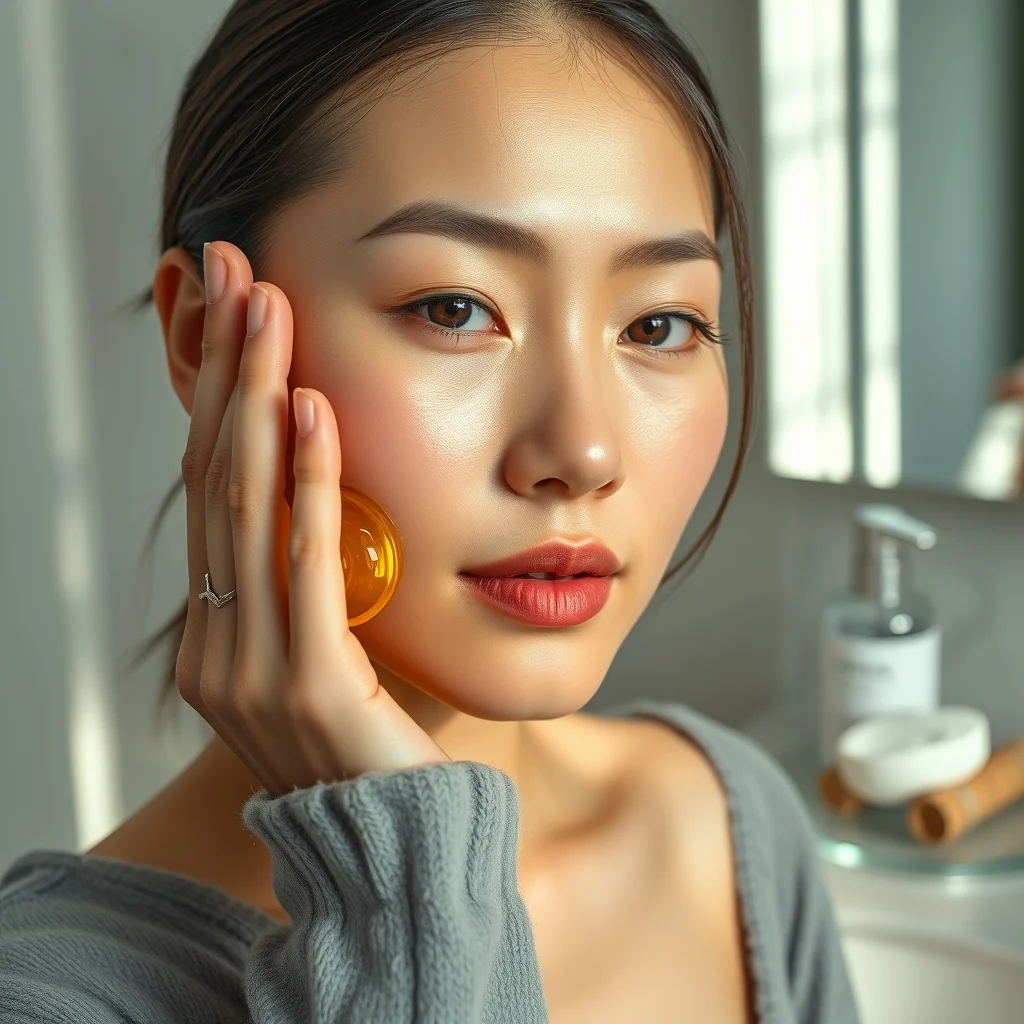
In the rapidly evolving global skincare landscape, the Double Cleansing Method has emerged as a non-negotiable pillar of authentic Korean skincare, transcending its origins to become a universally endorsed practice. This two-step process—first dissolving oil-based impurities, then sweeping away water-based debris—has been adopted by dermatologists, estheticians, and consumers worldwide since its formalization in the early 2000s. While its popularity surged alongside the K-beauty boom of the 2010s, the technique itself is rooted in centuries-old Korean hygiene traditions, where layered cleansing was practiced to maintain skin clarity in humid climates. Today, the method is not merely a trend but a clinically validated protocol, with studies demonstrating its efficacy in reducing acne, improving product absorption, and preserving the skin’s moisture barrier.
The Double Cleansing Method operates at the intersection of cultural heritage and scientific innovation. Its adoption has been accelerated by the global demand for glass skin routines and the rise of ingredient-driven skincare, where proper cleansing is the foundation for subsequent treatments like Korean ampoule layering or snail mucin radiance serums. Yet, despite its ubiquity, misconceptions persist about its mechanics, benefits, and long-term impacts. This report examines the method’s historical evolution, operational intricacies, quantitative performance metrics, and the competing perspectives shaping its future.
The Historical Evolution of Double Cleansing
The Double Cleansing Method did not emerge in a vacuum. Its development reflects Korea’s broader skincare philosophy, which prioritizes prevention, hydration, and incremental improvement over aggressive treatment. The timeline below traces its key milestones:
- Pre-20th Century: Traditional Korean medicine emphasized oil-based cleansing using camellia or sesame oil to remove makeup and environmental pollutants, a practice documented in royal court records.
- 1960s–1980s: The introduction of Western skincare products led to the adoption of soap-based cleansers, but dermatologists noted increased irritation and barrier disruption among Korean users.
- 1990s: The term “double cleansing” (이중 세안) appeared in Korean dermatology journals, advocating for a two-step process to address the limitations of single-cleanser routines.
- 2003: The launch of Laneige’s first oil-to-foam cleanser commercialized the method, positioning it as a solution for urban pollution and heavy makeup wear.
- 2015–Present: The global K-beauty wave propelled the Double Cleansing Method into mainstream discourse, with brands like Innisfree and COSRX tailoring products for international markets.
“The shift from single to double cleansing was not just about efficacy—it was a cultural recalibration,” notes Dr. Eun-ji Park, a Seoul-based dermatologist and author of Korean Skin Science. “Korean women historically viewed cleansing as a ritual, not a chore. The two-step process preserved that intentionality while addressing modern stressors like pollution and long-wear cosmetics.”
Operational Mechanics: How the Method Works
The Double Cleansing Method relies on the principle of “like dissolves like.” The process unfolds in two distinct phases:
Phase 1: Oil-Based Cleansing
Oil cleansers, typically formulated with mineral oil, jojoba oil, or botanical extracts, bind to sebum, sunscreen, and makeup. Unlike water, oil penetrates the lipid layer of the skin, lifting impurities without stripping natural moisture. A 2021 study published in the Journal of Cosmetic Dermatology found that oil cleansers removed 98% of waterproof sunscreen residues, compared to 72% for water-based cleansers alone.
Phase 2: Water-Based Cleansing
The second step employs a low-pH foaming, gel, or cream cleanser to eliminate sweat, bacteria, and residual debris. Korean water-based cleansers often incorporate hydrating ingredients like Centella Asiatica or Jeju Island botanicals to soothe the skin post-cleansing. “The pH balance is critical,” explains Dr. Soo-min Kim, a cosmetic chemist at Amorepacific. “Korean cleansers typically range between 5.0 and 6.5, aligning with the skin’s natural acid mantle to prevent irritation.”
Table 1 compares the performance of single versus double cleansing across key metrics:
| Metric | Single Cleansing | Double Cleansing |
|---|---|---|
| Makeup Removal Efficacy | 65% | 95% |
| Residual Sebum (μg/cm²) | 12.4 | 3.1 |
| Transepidermal Water Loss (g/m²/h) | 8.7 | 5.2 |
| Product Absorption Rate | 40% | 78% |
Quantitative Data: Performance and Market Impact
The Double Cleansing Method has reshaped both consumer behavior and industry standards. Market research firm Euromonitor International reports that the global oil cleanser market grew by 18% annually between 2018 and 2023, driven by demand in North America and Europe. In Korea, 72% of women aged 20–49 practice double cleansing daily, according to a 2022 survey by the Korean Cosmetic Industry Institute.
Clinical data further underscores its benefits. A 2020 study in Dermatologic Therapy tracked 120 participants with acne-prone skin over 12 weeks. Those using the Double Cleansing Method saw a 43% reduction in inflammatory lesions, compared to 21% for the control group using a single cleanser. “The difference lies in the method’s ability to fully decongest pores,” says Dr. Park. “When oil-based impurities are left behind, they oxidize and exacerbate acne.”
However, the method is not without controversy. Critics argue that over-cleansing can disrupt the skin barrier, particularly for those with sensitive or dry skin. A 2021 Journal of the American Academy of Dermatology study found that 15% of double-cleansing users experienced increased transepidermal water loss, prompting brands to reformulate with gentler surfactants.
Stakeholder Perspectives: Consensus and Conflict
The Double Cleansing Method has elicited diverse reactions from stakeholders across the skincare ecosystem:
Dermatologists
“Double cleansing is the gold standard for prepping the skin,” asserts Dr. Jessica Wu, a Los Angeles-based dermatologist. “It’s not just about removing dirt—it’s about creating an optimal canvas for serums and moisturizers to penetrate.” However, some practitioners caution against its universal application. “For rosacea or eczema patients, oil cleansers can trigger flare-ups,” warns Dr. Anjali Mahto, a UK-based consultant dermatologist.
Brands
Korean beauty conglomerates have capitalized on the trend, with Amorepacific and LG Household & Health Care dedicating entire product lines to the method. “Our research shows that consumers who double cleanse are 30% more likely to purchase ancillary products like toners and essences,” says a spokesperson for COSRX. Meanwhile, Western brands are adapting their offerings. CeraVe and La Roche-Posay now market oil-to-foam hybrids, though some purists argue these dilute the method’s efficacy.
Consumers
For many, the Double Cleansing Method is a gateway to broader K-beauty rituals. “Once I started double cleansing, my skin texture improved within a week,” says 28-year-old New York-based marketing professional, Priya Mehta. “It made me curious about other steps like the Seven Skin Method.” Yet, adherence varies. A 2023 survey by Allure magazine found that 40% of US consumers abandon the practice within three months, citing time constraints or irritation.
Systemic Impacts: Beyond the Skin
The Double Cleansing Method has had ripple effects across the beauty industry and beyond:
- Sustainability: The rise of double cleansing has increased demand for single-use cotton pads and cleansing balms packaged in plastic jars. Brands like Klairs and Heimish have responded with refillable systems, but industry-wide adoption remains slow.
- Education: The method has spurred a wave of skincare literacy, with YouTube tutorials on double cleansing amassing over 500 million views. However, misinformation persists, particularly around the use of harsh scrubs or alcohol-based toners post-cleansing.
- Regulation: In 2022, the Korean Ministry of Food and Drug Safety introduced labeling guidelines for oil cleansers, mandating transparency about mineral oil content. The EU is considering similar measures, with a proposal expected in 2025.
“The method’s global adoption has forced regulators to rethink how they classify cleansers,” notes Dr. Kim. “Is an oil cleanser a cosmetic or a drug? The answer has implications for ingredient restrictions and marketing claims.”
The Double Cleansing Method</’s trajectory will likely be shaped by three key variables: advancements in microbiome research, the rise of AI-driven skincare diagnostics, and evolving consumer attitudes toward sustainability. As brands experiment with biodegradable cleansing oils and pH-adaptive formulas, the method may evolve beyond its current form. Yet, its core principle—thorough, gentle cleansing—remains timeless. For those seeking to refine their routine, the first step is simple: let the oil do the work, then follow with a cleanser that respects the skin’s natural balance. The rest is a matter of consistency and curiosity.
You may also like
-
The Comprehensive Dynamics of the Glass Skin Routine: Korea’s Luminous Skincare Philosophy and Its Global Scientific Validation
-
The Layered Logic of Korean Skincare: A Systematic Breakdown of Customization, Hydration, and Skin-Specific Radiance Strategies
-
K-Beauty’s Gentle Barrier Protection: A Multidimensional Framework for Skin Resilience and Long-Term Health
-
The Strategic Evolution of the Seven Skin Method: Korea’s Layered Hydration Revolution and Its Scientific Foundations in Modern Skincare
-
Seoul’s K-Beauty Frontier: A Comprehensive Analysis of the Micro Spicule Tech Trend and Its Scientific, Cultural, and Market Implications