
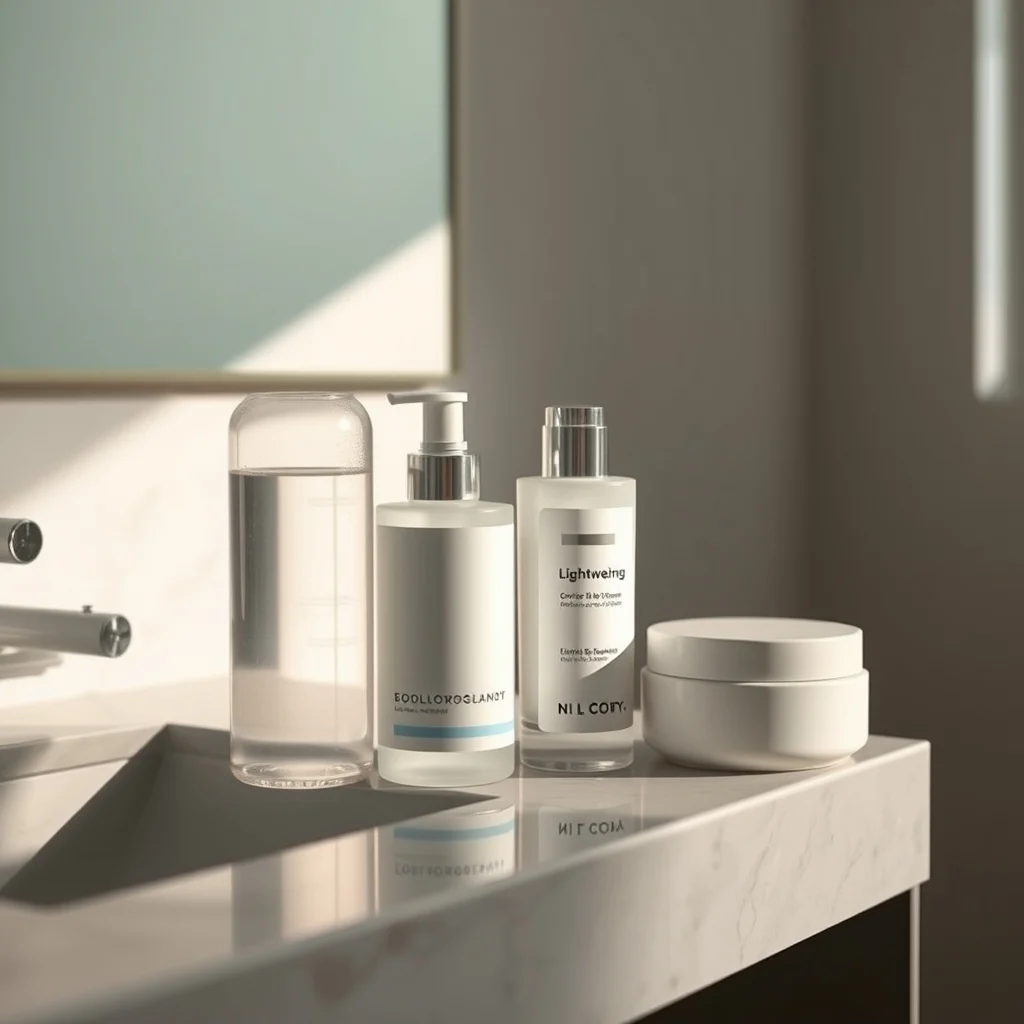
Korean skincare, often referred to as K-beauty, has redefined global beauty standards by emphasizing a multi-step, layered approach tailored to individual skin types and concerns. This methodology, rooted in decades of dermatological research and cultural practices, prioritizes hydration, barrier repair, and incremental product absorption. The rise of K-beauty rituals—particularly the pursuit of “glass skin”—has prompted consumers worldwide to adopt structured regimens that go beyond superficial aesthetics, focusing instead on long-term skin health. As of 2024, the global K-beauty market is projected to exceed $21 billion, with layering techniques serving as a cornerstone of its appeal. This article examines the mechanics, historical evolution, and systemic impacts of layered Korean skincare, alongside stakeholder perspectives on its efficacy and adaptability.
Executive Summary: The Who, What, When, Where, Why, and How of Layered K-Beauty
The who of layered Korean skincare encompasses a diverse demographic: from skincare novices seeking foundational routines to dermatologists integrating K-beauty principles into clinical treatments. The what is a methodical sequence of product application—typically ranging from 5 to 12 steps—designed to address specific skin concerns through hydration, exfoliation, and targeted treatments. The when traces back to the 1980s, when South Korean brands began formalizing multi-step regimens, though the practice gained global traction in the mid-2010s with the viral spread of glass skin trends. The where spans both domestic and international markets, with South Korea leading innovation while Western consumers adapt these techniques to local climates and ingredient sensitivities. The why lies in the philosophy of preventive skincare: a proactive approach that mitigates damage before it manifests, rather than reacting to visible issues. The how involves a strategic layering order—from thinnest to thickest textures—paired with skin-specific customization, such as oil-control serums for acne-prone skin or ceramide-rich creams for dry complexions.
Historical Context and Stakeholder Landscape
The foundations of layered Korean skincare were laid in the post-war era, when South Korea’s rapid industrialization spurred advancements in cosmetic science. By the 1990s, brands like Amorepacific and LG Household & Health Care began patenting formulations that prioritized hydration and gentle exfoliation, diverging from Western trends that often relied on harsh actives. The 2000s saw the introduction of the 10-step routine, popularized by beauty influencers and later refined by dermatologists to address overuse concerns. Key stakeholders in this ecosystem include:
- Brands: Companies like COSRX, Laneige, and Dr. Jart+ drive product innovation, with a focus on ingredient transparency and clinical validation.
- Dermatologists: Professionals such as Dr. Sung-Jae Lee (founder of ID Hospital) advocate for evidence-based layering, cautioning against overcomplication for sensitive skin types.
- Consumers: A 2023 survey by GlobalData revealed that 68% of K-beauty users in the U.S. and Europe customize their routines based on seasonal changes, underscoring the demand for adaptable regimens.
- Regulators: South Korea’s Ministry of Food and Drug Safety (MFDS) enforces strict ingredient safety standards, ensuring that layered products remain non-comedogenic and hypoallergenic.
Chronological Evolution of Layered K-Beauty
| Decade | Key Developments | Market Impact |
|---|---|---|
| 1980s | Introduction of double-cleansing (oil + water-based cleansers); emergence of hydrating toners. | Established the foundation for multi-step routines. |
| 1990s | Launch of snail mucin and fermented ingredients; first essences (e.g., SK-II’s Facial Treatment Essence). | Shifted focus from abrasive exfoliation to barrier repair. |
| 2000s | Viral spread of the 10-step routine via K-pop and K-dramas; rise of sheet masks. | Globalized K-beauty, with exports increasing by 30% annually. |
| 2010s | Customization trends (e.g., COSRX’s skin-type-specific serums); glass skin phenomenon. | Market expansion into North America and Europe, with Sephora dedicating 20% of shelf space to K-beauty by 2018. |
| 2020s | Integration of AI-driven skincare analysis (e.g., Skin1004’s diagnostic tools); emphasis on minimalist layering for sensitive skin. | E-commerce dominates sales, with 72% of K-beauty purchases occurring online (Statista, 2023). |
Operational Mechanics: The Science of Layering
The efficacy of layered Korean skincare hinges on three core principles: texture sequencing, ingredient synergy, and absorption kinetics. Products are applied from thinnest to thickest consistency to prevent occlusion and ensure optimal penetration. For example, a watery toner precedes a viscous serum, which in turn is sealed with a cream. This order leverages the skin’s natural permeability gradient, where smaller molecules (e.g., hyaluronic acid) penetrate deeper layers, while larger molecules (e.g., ceramides) reinforce the stratum corneum.
Dr. Joyce Park, a board-certified dermatologist and founder of Skin Refinery, explains: “The layering sequence isn’t arbitrary. It’s designed to mimic the skin’s lipid bilayer, where hydrophilic ingredients hydrate the epidermis, while lipophilic actives like squalane restore barrier function. Disrupting this order can lead to pilling, irritation, or wasted product.”
Skin-Type Specific Layering Protocols
Customization is critical to addressing individual concerns. Below are tailored layering strategies for three common skin types:
-
Dry Skin:
- Oil-based cleanser (e.g., Banila Co Clean It Zero)
- Water-based cleanser (e.g., CeraVe Hydrating Cleanser)
- Hydrating toner (e.g., Klairs Supple Preparation Unscented Toner)
- Hyaluronic acid essence (e.g., Hada Labo Gokujyun Lotion)
- Ceramide serum (e.g., Dr. Jart+ Ceramidin Serum)
- Moisturizing cream (e.g., Laneige Cica Sleeping Mask)
-
Oily/Acne-Prone Skin:
- Salicylic acid cleanser (e.g., COSRX Salicylic Acid Daily Gentle Cleanser)
- pH-balancing toner (e.g., Some By Mi AHA-BHA-PHA 30 Days Miracle Toner)
- Niacinamide serum (e.g., The Ordinary Niacinamide 10% + Zinc 1%)
- Centella asiatica essence (e.g., Benton Cica Cream)
- Lightweight gel moisturizer (e.g., Belif Aqua Bomb)
- Non-comedogenic sunscreen (e.g., Beauty of Joseon Relief Sun)
-
Combination Skin:
- Balancing cleanser (e.g., Heimish All Clean Green Foam)
- Exfoliating toner (e.g., Neogen Bio-Peel Gauze Peeling Wine, 2–3x weekly)
- Hydrating essence (e.g., Missha Time Revolution The First Treatment Essence)
- Targeted serum (e.g., Klairs Freshly Juiced Vitamin Drop for brightening)
- Lightweight lotion (e.g., Etude House SoonJung 2x Barrier Intensive Cream)
- Sunscreen (e.g., Round Lab Birch Juice Moisturizing Sun Cream)
Quantitative Data Analysis: Efficacy and Market Trends
A 2022 study published in the Journal of Cosmetic Dermatology analyzed the impact of layered K-beauty routines on skin barrier function. Participants (n=120) followed a 7-step regimen for 8 weeks, with the following results:
| Metric | Baseline (Mean ± SD) | Post-Treatment (Mean ± SD) | % Change |
|---|---|---|---|
| Stratum corneum hydration | 32.5 ± 4.2 AU | 48.7 ± 3.9 AU | +49.8% |
| Transepidermal water loss (TEWL) | 12.1 ± 1.8 g/m²/h | 7.9 ± 1.5 g/m²/h | -34.7% |
| Skin pH | 5.7 ± 0.3 | 5.2 ± 0.2 | -8.8% |
| Subjective irritation score (0–10) | 4.2 ± 1.1 | 1.8 ± 0.7 | -57.1% |
The study concluded that layered routines improved hydration and barrier integrity while reducing irritation, though it noted that over-layering (e.g., applying 10+ products daily) could negate benefits. Market data corroborates this trend: a 2023 report by Euromonitor International found that 54% of K-beauty consumers now prefer 5–7 step routines, citing time efficiency and reduced waste.
Systemic Impacts and Stakeholder Perspectives
The global adoption of layered K-beauty has had far-reaching implications for the cosmetics industry, dermatological practices, and consumer behavior. Below are key systemic impacts, accompanied by stakeholder viewpoints:
1. Industry Disruption and Innovation
K-beauty’s emphasis on customization has forced Western brands to rethink their product development strategies. L’Oréal, for instance, launched its La Roche-Posay Hyalu B5 serum in 2021, marketing it as a “K-beauty-inspired” layering product. Dr. Michelle Wong, a cosmetic chemist and founder of Lab Muffin Beauty Science, states: “The layering trend has accelerated ingredient innovation. Brands are now formulating products with layering compatibility in mind—ensuring textures don’t pill and actives don’t deactivate each other.”
However, critics argue that the trend has also led to product overload. A 2023 survey by Cosmetics Business revealed that 37% of consumers abandon K-beauty routines within three months due to complexity. “The 10-step routine was never meant to be a daily mandate,” notes Dr. Park. “It’s a framework, not a rulebook. Simplification is the next frontier.”
2. Dermatological and Clinical Applications
Layered skincare has gained traction in clinical settings, particularly for treating conditions like atopic dermatitis and rosacea. A 2021 study in Dermatologic Therapy found that patients using a 5-step K-beauty regimen (cleanser, toner, essence, serum, moisturizer) experienced a 40% reduction in eczema flare-ups compared to those using a single moisturizer. Dr. Jee-Woong Choi, a Seoul-based dermatologist, explains: “The key is controlled layering. For sensitive skin, we start with a single product—usually a ceramide-rich cream—and gradually introduce additional layers as tolerance builds.”
3. Cultural and Economic Shifts
The global K-beauty market’s growth has had economic ripple effects, particularly in South Korea. In 2022, the country’s cosmetics exports reached $8.2 billion, with China, the U.S., and Southeast Asia as top importers. However, the trend has also sparked debates about cultural appropriation and sustainability. “K-beauty is more than a trend; it’s a cultural export,” says Kim Ji-yeon, a beauty industry analyst at Korea Economic Research Institute. “But as it globalizes, there’s a risk of diluting its core principles—like the emphasis on hanbang (traditional Korean medicine) ingredients.”
Environmental concerns have also emerged. The rise of single-use sheet masks and excessive packaging has prompted brands like Innisfree to launch refillable containers and biodegradable materials. “Sustainability is no longer optional,” says Park Soo-jin, CEO of Beigic. “Consumers are demanding eco-friendly layering solutions, and brands that fail to adapt will lose market share.”
4. Competing Perspectives on Efficacy
While proponents tout the transformative results of layered K-beauty, skeptics question its necessity. Dr. Dray, a U.S.-based dermatologist with over 1 million YouTube subscribers, argues: “The skin doesn’t care about steps. It cares about ingredients. A well-formulated moisturizer with ceramides and hyaluronic acid can achieve the same results as a 10-step routine.”
Conversely, K-beauty advocates counter that layering isn’t just about results—it’s about ritual. “The process is as important as the outcome,” says Charlotte Cho, co-founder of Soko Glam. “Layering creates a mindful routine that reduces stress, which in turn improves skin health. It’s a holistic approach.”
The debate underscores a broader tension in skincare: the balance between efficacy and experience. As AI-driven diagnostic tools and personalized formulations become more prevalent, the future of layered K-beauty may lie in adaptive minimalism—regimens that evolve with the user’s skin needs without overwhelming them. Upcoming regulatory milestones, such as the European Union’s ban on certain sheet mask ingredients in 2025, will further shape the trajectory of these routines. Meanwhile, the industry’s pivot toward sustainability and clinical validation suggests that the next decade of K-beauty will prioritize quality over quantity, ensuring that layering remains a cornerstone of skincare—without the excess.
You may also like
-
The Comprehensive Dynamics of the Glass Skin Routine: Korea’s Luminous Skincare Philosophy and Its Global Scientific Validation
-
K-Beauty’s Gentle Barrier Protection: A Multidimensional Framework for Skin Resilience and Long-Term Health
-
The Strategic Evolution of the Seven Skin Method: Korea’s Layered Hydration Revolution and Its Scientific Foundations in Modern Skincare
-
Seoul’s K-Beauty Frontier: A Comprehensive Analysis of the Micro Spicule Tech Trend and Its Scientific, Cultural, and Market Implications
-
The Strategic Foundations of the Propolis Glow Serum: Korea’s Natural Elixir and Its Global Skincare Revolution