
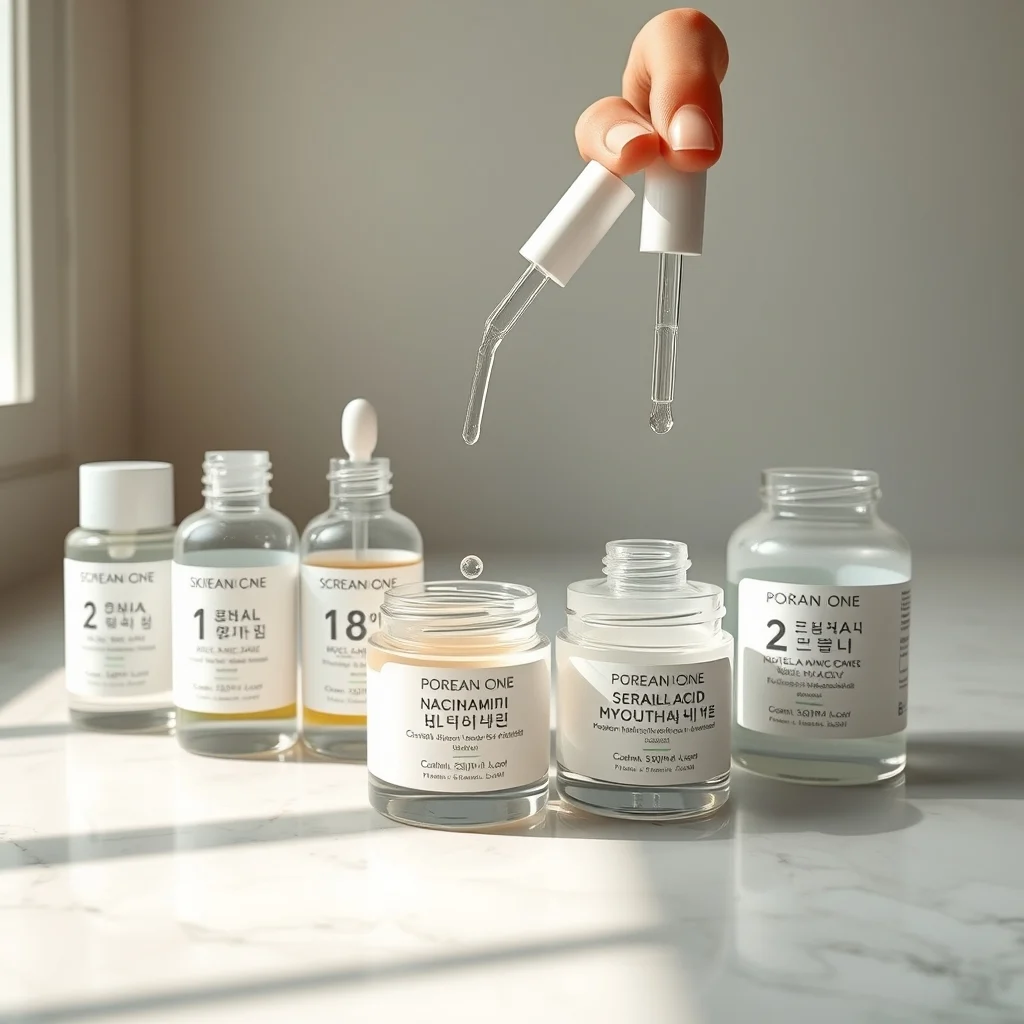
Ever feel overwhelmed by the endless list of Korean skincare ingredients promising flawless skin? The truth is, not all ingredients are created equal—and some might even be doing more harm than good. The key to unlocking healthy, radiant skin lies in understanding which ingredients truly support your skin barrier and align with today’s skinimalism philosophy.
Many skincare routines focus on layering products with multiple actives, but this approach can sometimes lead to irritation, especially for sensitive or reactive skin types. Instead, prioritizing a barrier-first strategy ensures your skin stays protected while achieving gradual, long-lasting improvements. This guide will break down the essential Korean skincare ingredients that work in harmony with your skin’s natural defenses, helping you build a routine that’s effective, simple, and sustainable.
Before diving into ingredients, it’s important to recognize that skinimalism isn’t about stripping your routine down to nothing—it’s about being intentional. This means choosing ingredients that deliver real results without unnecessary complexity. Whether you’re new to K-beauty or looking to refine your current routine, focusing on barrier-repairing and hydration-enhancing ingredients will set you on the right path.
Why a Barrier-First Approach Matters
Your skin barrier is your first line of defense against environmental stressors like pollution, UV rays, and harsh weather. When this barrier is compromised—whether due to over-exfoliation, aggressive ingredients, or dehydration—your skin becomes more susceptible to irritation, redness, and even breakouts. Korean skincare ingredients excel in reinforcing this barrier, thanks to their focus on gentle yet potent formulations.
A barrier-first approach starts with ingredients that soothe and strengthen the skin’s natural protective layer. Look for components like centella asiatica (also known as Korean ginseng or *Cica*), which is renowned for its anti-inflammatory and wound-healing properties. This ingredient helps calm irritation while promoting cell turnover, making it a staple in barrier repair routines. Pairing it with panthenol (provitamin B5) can further enhance hydration and skin elasticity, ensuring your barrier stays resilient.
Another game-changer is hyaluronic acid, a hydrating powerhouse that attracts moisture to the skin’s surface. Unlike heavy creams, hyaluronic acid works on multiple layers of the skin, ensuring deep hydration without clogging pores. When combined with squalane, a lightweight, non-comedogenic oil derived from olives, you get a dynamic duo that hydrates without weighing down the skin. This combination is perfect for those who prioritize skinimalism—simple, effective, and free of unnecessary fillers.
Essential Korean Skincare Ingredients for Barrier Repair
Not all ingredients are equal when it comes to barrier repair. Some ingredients, like glycolic acid or salicylic acid, are excellent for exfoliation but can disrupt the skin barrier if overused. Instead, focus on ingredients that nourish and protect rather than strip or irritate. Here are the top Korean skincare ingredients to prioritize:
- Centella Asiatica (Cica): A soothing powerhouse that reduces redness and strengthens the skin barrier. It’s ideal for sensitive skin types and can be found in serums, essences, and even sheet masks.
- Panthenol (Provitamin B5): Boosts hydration and supports skin repair, making it a great addition to moisturizers and toners.
- Ceramides: Lipid molecules that help restore the skin’s natural moisture barrier. They’re often included in cleansers, moisturizers, and even sheet masks to lock in hydration.
- Niacinamide: A versatile ingredient that improves skin texture, reduces redness, and strengthens the barrier. It’s gentle enough for daily use and works well in both serums and moisturizers.
- Squalane: A lightweight, non-greasy oil that mimics the skin’s natural sebum, keeping it hydrated without clogging pores.
These ingredients work synergistically to repair and maintain your skin barrier, making them the backbone of any skinimalist routine. The beauty of Korean skincare ingredients is their ability to deliver multiple benefits in a single product, reducing the need for a cluttered regimen.
How to Incorporate These Ingredients into Your Routine
Building a routine around Korean skincare ingredients doesn’t have to be complicated. Start by cleansing gently to avoid stripping your skin of its natural oils. Opt for a low-pH cleanser containing ingredients like aloe vera or green tea extract to maintain your skin’s pH balance. Follow up with a toner that includes panthenol or niacinamide to prep your skin for hydration.
Next, apply a serum or essence rich in centella asiatica or hyaluronic acid to target specific concerns like redness or dehydration. Layering a lightweight moisturizer with squalane or ceramides will seal in moisture and fortify your skin barrier. For extra protection, finish with a sunscreen that contains green tea extract or antioxidants to shield your skin from environmental damage.
Remember, consistency is key. Even the most effective Korean skincare ingredients require time to show results. Stick to your routine for at least four to six weeks before expecting noticeable improvements in your skin’s texture and radiance.
Common Mistakes to Avoid with Korean Skincare Ingredients
While Korean skincare ingredients are celebrated for their efficacy, misusing them can lead to irritation or breakouts. One of the most common mistakes is overloading your routine with too many actives at once. For example, combining glycolic acid with retinol can be too harsh for some skin types, leading to redness or peeling. Instead, introduce new ingredients gradually and listen to your skin’s response.
Another pitfall is neglecting your skin barrier by over-exfoliating. Even gentle exfoliants like lactic acid should be used sparingly—typically two to three times a week—to avoid compromising your skin’s protective layer. If your skin feels tight, dry, or sensitive after exfoliation, it’s a sign you’ve overdone it.
Additionally, skipping sunscreen is a mistake that can undo all your hard work. UV rays break down hyaluronic acid and other hydrating ingredients, leading to dehydration and premature aging. Always apply a broad-spectrum sunscreen with at least SPF 30, even on cloudy days.
Why Skinimalism Works with Korean Skincare
The skinimalism movement has gained traction because it emphasizes quality over quantity. Instead of filling your vanity with 10+ products, focus on a few Korean skincare ingredients that deliver real results. This approach not only simplifies your routine but also reduces the risk of irritation from overuse.
For example, a barrier-first serum with centella asiatica and panthenol can replace multiple products in your routine. Similarly, a moisturizer with ceramides and squalane can hydrate and protect your skin without the need for heavy creams. By streamlining your routine, you can achieve healthier, more radiant skin with less effort.
This philosophy aligns perfectly with the principles of Korean skincare ingredients, which are designed to work harmoniously with your skin’s natural processes. Whether you’re dealing with dryness, sensitivity, or just want to maintain a healthy glow, a skinimalist approach ensures you’re using ingredients that truly benefit your skin.
Final Thoughts: Start Simple, Stay Consistent
Navigating the world of Korean skincare ingredients can feel daunting, but the key to success lies in simplicity and consistency. By focusing on barrier-repairing and hydration-enhancing ingredients, you can build a routine that’s effective, gentle, and sustainable. Remember, healthy skin isn’t about perfection—it’s about nurturing your skin’s natural defenses and giving it what it needs to thrive.
Ready to transform your skincare routine? Start by introducing one or two barrier-first ingredients, like centella asiatica or niacinamide, and observe how your skin responds. Over time, you’ll discover the perfect balance of Korean skincare ingredients that keep your skin happy, hydrated, and glowing. For more guidance on skincare best practices, visit the American Academy of Dermatology.
You may also like
-
Korean Skincare Ingredients Explained: Your Step-by-Step Guide to Glass Skin 2.0
-
Korean Skincare Ingredients Explained: A Step-by-Step Guide for Beginners
-
Korean Skincare Ingredients Explained: A Barrier-First, Skinimalism Approach for Healthy Skin
-
Korean Skincare Ingredients Explained: A Barrier-First, Skinimalism Approach
-
Korean Skincare Ingredients Explained: Quick Tips for Busy People