
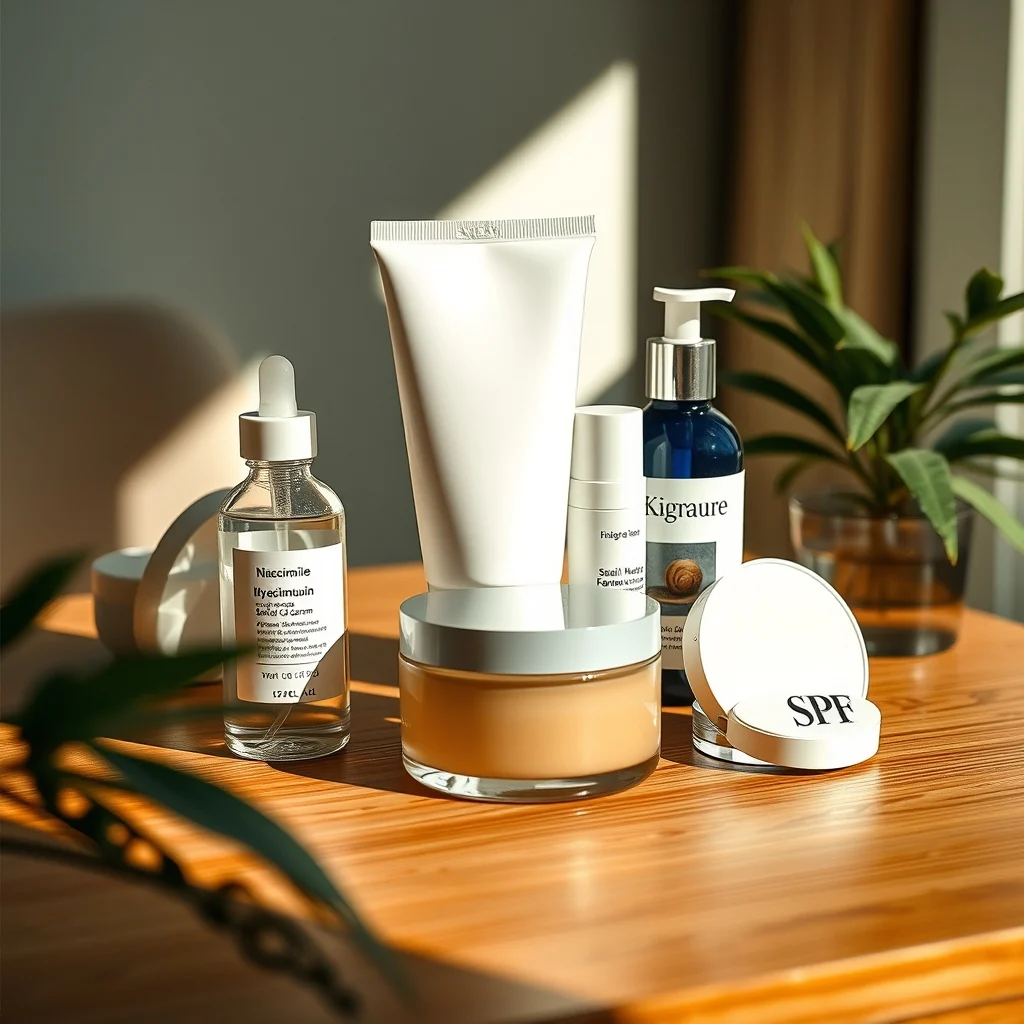
Ever wondered why Korean skincare routines seem to deliver that elusive glass skin effect so effortlessly? The secret often lies in understanding the Korean skincare ingredients that power these routines. Whether you’re new to the scene or looking to refine your approach, knowing which ingredients to prioritize can transform your skincare game.
Understanding the Core Philosophy Behind Glass Skin 2.0
The concept of glass skin has evolved, moving beyond just hydration to focus on a more refined, luminous complexion. This evolution, often referred to as glass skin 2.0, emphasizes ingredients that enhance skin barrier function, promote cellular regeneration, and provide long-lasting radiance. Ingredients like niacinamide, snail mucin, and fermented ingredients are staples in this approach, offering both immediate and long-term benefits.
This shift also highlights the importance of skinimalism—a minimalist yet effective approach that focuses on quality over quantity. By incorporating the right ingredients, you can achieve a balanced routine that respects your skin’s natural processes while delivering visible results.
Key Ingredients for a Radiant Complexion
To achieve that coveted glass skin look, start with ingredients known for their ability to brighten and refine the skin. Vitamin C is a powerhouse for even-toning and collagen production, while alpha arbutin helps fade dark spots and hyperpigmentation. These ingredients work synergistically to create a smoother, more even skin texture.
Another essential ingredient is hyaluronic acid, which hydrates the skin at a deep level, plumping and dewing it from within. Pairing it with ceramides can further strengthen the skin barrier, ensuring that hydration is locked in and environmental stressors are minimized. Together, these ingredients form the foundation of a glass skin 2.0 routine.
How to Incorporate These Ingredients into Your Routine
Building a routine around Korean skincare ingredients doesn’t have to be complicated. Start with a gentle cleanser to remove impurities without stripping the skin. Follow up with a niacinamide serum to address redness and refine pores, then layer on a lightweight hyaluronic acid serum for hydration.
For those looking to enhance their routine further, consider adding a fermented ingredient like galactomyces or probiotics to promote a healthy skin microbiome. These ingredients help balance the skin’s pH and improve its resilience against irritation. End your routine with a moisturizer containing ceramides and squalane to lock in moisture and protect the skin barrier.
The Role of Peptides and Regenerative Actives
For a more advanced approach, peptides and regenerative actives like PDRN (Polidextrose-Ribose-Nucleotide) can play a crucial role in skin renewal. These ingredients stimulate collagen production and improve skin elasticity, contributing to that coveted glass skin effect. While they may take longer to show results, their long-term benefits make them worth incorporating into your routine.
Peptides are particularly useful for those looking to address fine lines and loss of firmness. They work by signaling the skin to produce more collagen, which helps maintain a youthful and plump appearance. When combined with other Korean skincare ingredients like snail mucin, peptides can enhance the skin’s repair processes, leading to a more refined and luminous complexion.
Common Mistakes to Avoid When Using Korean Ingredients
While Korean skincare ingredients are highly effective, there are a few common mistakes to avoid. Overlayering products can lead to irritation, especially for sensitive skin types. It’s important to introduce new ingredients gradually and patch-test them to ensure compatibility with your skin.
Another mistake is neglecting sun protection. While ingredients like vitamin C and niacinamide can help with brightening, they are not a substitute for sunscreen. Always apply a broad-spectrum SPF to protect your skin from UV damage, which can undermine the benefits of your skincare routine.
Why Glass Skin 2.0 is More Than Just Hydration
The evolution of glass skin goes beyond surface-level hydration. It’s about creating a holistic approach that addresses skin health at multiple levels—hydration, barrier repair, and cellular renewal. By focusing on Korean skincare ingredients that promote these processes, you can achieve a complexion that looks dewy and healthy from within.
Start by identifying your skin’s specific needs—whether it’s hydration, barrier repair, or anti-aging—and tailor your routine accordingly. The key is consistency and patience. With the right ingredients and a well-structured routine, you can unlock the secrets to glass skin 2.0 and enjoy a radiant complexion that feels as good as it looks.
Ready to transform your skincare routine? Begin by exploring these Korean skincare ingredients and see how they can elevate your skin’s health and appearance. Your journey to glass skin starts with a single step—choose the right ingredients and commit to the process.
You may also like
-
Korean Skincare Ingredients Explained: A Peptide & Regenerative Actives Deep Dive
-
Korean Skincare Ingredients Explained: A Barrier-First, Skinimalism Approach
-
Korean Skincare Ingredients Explained: A Beginner’s Guide to Glass Skin 2.0
-
Korean Skincare Ingredients Explained: A Step-by-Step Guide for Beginners
-
Korean Skincare Ingredients Explained: A Budget-Friendly Guide to Healthy Skin