
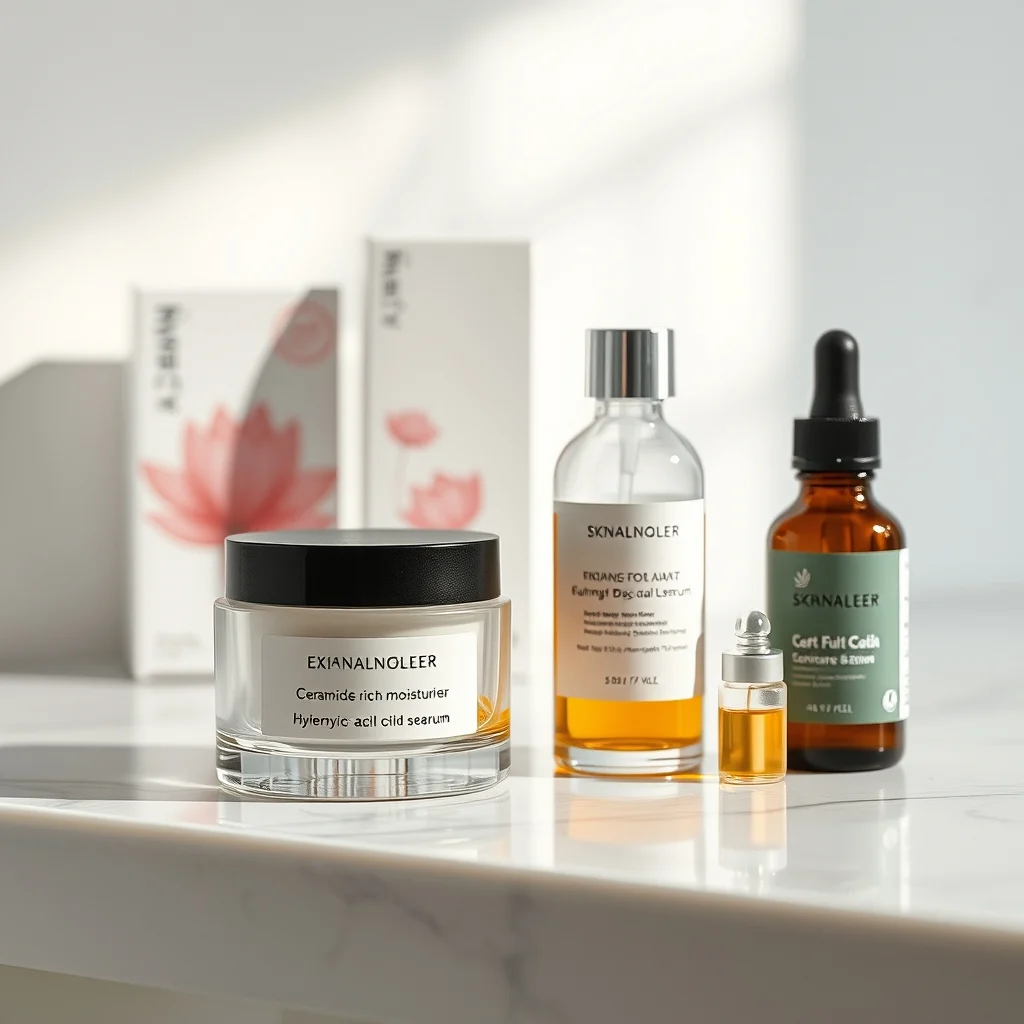
Ever feel overwhelmed by the endless list of Korean skincare ingredients promising flawless skin? The truth is, you don’t need a complex routine or a mountain of products to achieve healthy, glowing skin. The secret lies in understanding a few key ingredients and principles—like barrier-first care and skinimalism—that actually work for your skin type. Whether you’re new to K-beauty or looking to simplify your routine, this guide will help you cut through the noise and focus on what truly matters.
Why a Barrier-First Approach is Your Best Bet
Your skin’s barrier is its first line of defense against environmental stressors, pollution, and irritation. When it’s compromised, your skin becomes more susceptible to dryness, redness, and breakouts. The Korean skincare ingredients approach prioritizes repairing and strengthening this barrier, which is why ceramides, hyaluronic acid, and squalane are staples in most routines. These ingredients help lock in moisture, reduce water loss, and create a protective shield. Start by incorporating a gentle cleanser and a lightweight moisturizer to rebuild your barrier before adding active ingredients.
Many people make the mistake of jumping straight to serums and exfoliants without preparing their skin first. This can lead to irritation and counterproductive results. Instead, focus on hydration and repair. Look for products with centella asiatica, known for its soothing properties, or panthenol (provitamin B5), which enhances skin elasticity and barrier function. These ingredients are gentle yet effective, making them ideal for sensitive or reactive skin.
Skinimalism: Less Is More for a Healthier Complexion
Skinimalism is the art of simplifying your skincare routine to focus on what truly benefits your skin. In the world of Korean skincare ingredients, this means ditching the unnecessary steps and sticking to the essentials: cleansing, toning (if needed), moisturizing, and SPF. Overloading your skin with too many products can disrupt its natural balance and lead to irritation. Instead, choose multi-functional ingredients that address multiple concerns at once.
For example, a hydrating serum with hyaluronic acid and niacinamide can replace multiple steps in your routine. Niacinamide helps with redness, oil control, and fine lines, while hyaluronic acid plumps and hydrates. Pair this with a ceramide-rich moisturizer, and you’ve covered hydration, repair, and protection—all in three simple steps. The key is to listen to your skin and adjust your routine as needed.
Key Ingredients to Focus On for Barrier Repair
Not all Korean skincare ingredients are created equal, especially when it comes to repairing your skin barrier. Ceramides, for instance, mimic the natural lipids in your skin, helping to restore and strengthen it. Look for products with ceramides in the ingredient list, as they are crucial for maintaining a healthy moisture barrier. Another powerhouse ingredient is squalane, a lightweight oil that mimics the skin’s natural oils, providing deep hydration without clogging pores.
For those with dry or sensitive skin, allantoin and glycerin are excellent choices. Allantoin soothes irritation and promotes cell turnover, while glycerin is a humectant that draws moisture into the skin. These ingredients work together to hydrate and calm, making them perfect for a barrier-first approach. Avoid alcohol-based products, as they can strip your skin of its natural oils and worsen dryness.
How to Incorporate Skinimalism into Your Routine
Adopting a skinimalist approach doesn’t mean sacrificing results—it means being intentional with your choices. Start by evaluating your current routine and identifying any steps that aren’t serving a clear purpose. For example, if you’re using a heavy night cream and a separate eye cream, consider switching to a lighter, multi-functional product that covers both areas. The goal is to streamline without compromising effectiveness.
Another tip is to batch your products. Instead of using a different serum for hydration, another for brightening, and yet another for anti-aging, look for all-in-one solutions. For instance, a serum with hyaluronic acid and peptides can address hydration and anti-aging simultaneously. This reduces the number of products on your skin while maximizing benefits. Remember, the goal is to simplify, not to complicate.
Common Mistakes to Avoid with Korean Skincare Ingredients
While Korean skincare ingredients are celebrated for their efficacy, there are a few common pitfalls to avoid. One of the biggest mistakes is over-exfoliating, whether with physical scrubs or chemical exfoliants like AHAs and BHAs. Overdoing it can weaken your skin barrier, leading to redness, sensitivity, and breakouts. If you exfoliate, do so 1–2 times a week and always follow up with a soothing, barrier-repairing product.
Another mistake is ignoring your skin’s needs based on seasonal changes. In colder months, your skin may need more hydration, while in warmer months, it might benefit from lighter, oil-free formulations. Pay attention to how your skin feels and adjust your routine accordingly. For example, switch to a richer moisturizer in winter and a gel-based one in summer. This flexibility ensures your skin stays balanced year-round.
Lastly, don’t fall for the hype of
You may also like
-
Korean Skincare Ingredients Explained: A Peptide & Regenerative Actives Deep Dive
-
Korean Skincare Ingredients Explained: A Beginner’s Guide to Glass Skin 2.0
-
Korean Skincare Ingredients Explained: A Step-by-Step Guide for Beginners
-
Korean Skincare Ingredients Explained: A Budget-Friendly Guide to Healthy Skin
-
Korean Skincare Ingredients Explained: A Glass Skin 2.0 Approach