
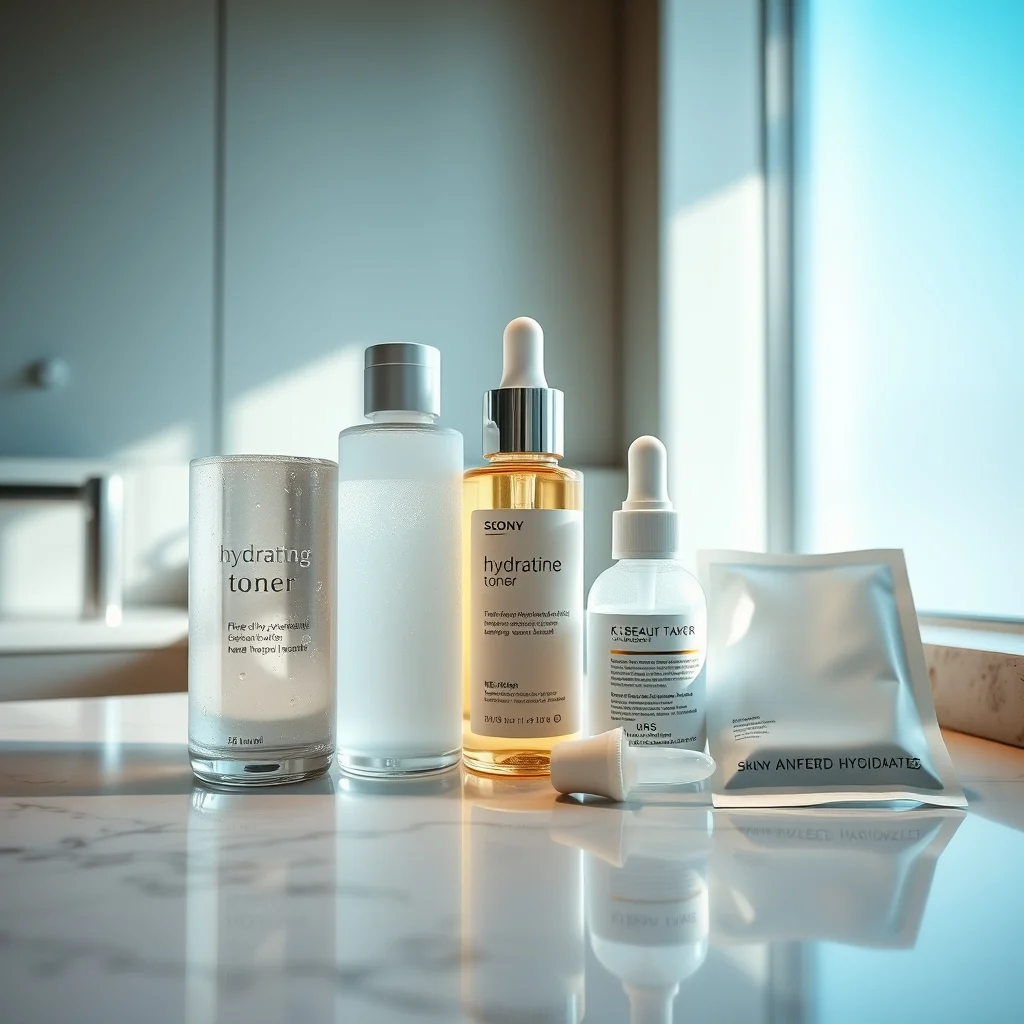
The global skincare landscape has witnessed a paradigm shift over the past decade, driven by the ascendancy of Korean beauty rituals. Central to this transformation is the hydration layering method, a multi-step regimen designed to achieve what industry insiders term “glass skin”—a complexion characterized by luminosity, elasticity, and an almost translucent quality. This method, rooted in South Korea’s dermatological traditions, has gained traction among consumers, dermatologists, and cosmetic chemists worldwide. Its adoption spans demographics, from teenagers combating acne to mature adults addressing hyperpigmentation, and its principles are now embedded in product formulations from Seoul to Silicon Valley. The rise of K-beauty’s layering philosophy coincides with a broader consumer demand for personalized, science-backed skincare solutions, challenging the one-size-fits-all approach of Western beauty standards.
The hydration layering method is not merely a trend but a systematic approach to skincare that prioritizes barrier repair, moisture retention, and gradual product absorption. Unlike conventional routines that rely on a single moisturizer or serum, this method employs a sequence of lightweight, water-based products—toners, essences, serums, and ampoules—applied in a specific order to maximize efficacy. The technique’s popularity surged in the early 2010s, fueled by social media platforms like Instagram and YouTube, where influencers demonstrated the dramatic before-and-after effects of consistent layering. By 2023, the global K-beauty market was valued at $13.1 billion, with hydration-focused products accounting for nearly 40% of sales, according to a report by Statista. The method’s appeal lies in its adaptability; it can be tailored to address dryness, oiliness, sensitivity, or acne, making it a versatile tool in both clinical and at-home settings.
The Evolution of Korean Skincare Layering: From Tradition to Modern Innovation
The origins of the hydration layering method trace back to Korea’s Joseon Dynasty (1392–1897), where royal court physicians prescribed herbal-infused waters and balms to maintain the skin’s health. These early formulations, often derived from ginseng, green tea, and rice bran, laid the groundwork for modern toners and essences. However, the contemporary iteration of layering emerged in the late 20th century, as Korean dermatologists began integrating Western cosmetic science with traditional practices. A pivotal moment occurred in 1982, when Amorepacific, South Korea’s largest beauty conglomerate, launched the first commercially successful essence, IOPE Super Vital Essence, which combined fermented ingredients with hyaluronic acid to enhance hydration.
The 2000s marked a period of rapid innovation, with brands like Laneige, Sulwhasoo, and COSRX refining the layering technique through product diversification. The introduction of sheet masks in the mid-2000s further democratized the method, offering a convenient, single-use solution for deep hydration. By 2015, the global sheet mask market had reached $250 million, with Korea holding a 60% share, per data from Euromonitor International. The following timeline highlights key milestones in the method’s evolution:
- 1997: The launch of SK-II Facial Treatment Essence, which popularized the use of fermented ingredients in skincare.
- 2003: Laneige’s Water Sleeping Mask debuts, introducing overnight hydration as a core layering step.
- 2012: COSRX’s Advanced Snail 96 Mucin Power Essence gains cult status, proving the efficacy of unconventional ingredients like snail mucin.
- 2018: The rise of “skip-care”—a minimalist offshoot of layering—challenges the multi-step dogma, sparking debates about efficacy versus simplicity.
- 2022: AI-driven skincare platforms, such as Atolla and Proven, integrate layering principles into algorithm-based routines, personalizing product sequences for individual skin profiles.
The Mechanics of Hydration Layering: How Product Sequence Dictates Efficacy
The hydration layering method operates on the principle of stratum corneum penetration, where each product in the sequence is formulated to target a specific skin layer or concern. The typical sequence follows a thinnest-to-thickest texture rule, ensuring that water-based products are absorbed before oil-based ones to prevent occlusion. A standard 10-step routine, as outlined by dermatologists at Seoul National University Hospital, includes the following stages:
- Oil Cleanser: Removes sebum and sunscreen without stripping the skin’s natural oils.
- Water-Based Cleanser: Eliminates sweat and residual impurities, preparing the skin for absorption.
- Exfoliator (1–2x weekly): Sloughs off dead skin cells to enhance product penetration.
- Toner: Balances pH and delivers an initial layer of hydration.
- Essence: A lightweight, nutrient-rich formula that preps the skin for serums.
- Serum/Ampoule: Targets specific concerns (e.g., hyperpigmentation, wrinkles) with concentrated actives.
- Sheet Mask (1–3x weekly): Provides a concentrated dose of hydration or treatment.
- Eye Cream: Addresses delicate under-eye skin with peptides or caffeine.
- Moisturizer: Seals in moisture with occlusive or humectant ingredients.
- Sunscreen (AM) / Sleeping Mask (PM): Protects against UV damage or locks in overnight hydration.
Dr. Joyce Park, a board-certified dermatologist and founder of Skin Refinery in Los Angeles, explains the science behind the sequence: “The order of application is critical because it leverages the skin’s natural absorption pathways. For example, hyaluronic acid in toners binds to water molecules in the epidermis, while ceramides in moisturizers reinforce the lipid barrier. Skipping a step or reversing the order can compromise efficacy, leading to transepidermal water loss or product pilling.”
A 2021 study published in the Journal of Cosmetic Dermatology compared the hydration levels of participants using a 5-step versus 10-step layering routine. The results, summarized below, demonstrate the incremental benefits of multi-step layering:
| Measurement | 5-Step Routine | 10-Step Routine | % Improvement |
|---|---|---|---|
| Skin Hydration (Corneometer) | 45.2 AU | 68.7 AU | +52% |
| Transepidermal Water Loss (TEWL) | 12.8 g/m²/h | 8.1 g/m²/h | -37% |
| Elasticity (Cutometer) | 0.62 mm | 0.79 mm | +27% |
Stakeholder Perspectives: Balancing Efficacy, Accessibility, and Sustainability
The hydration layering method has sparked divergent opinions among stakeholders, each advocating for distinct priorities. Dermatologists and cosmetic chemists emphasize the method’s clinical benefits, citing its ability to address multiple skin concerns simultaneously. Dr. Sang-Woong Youn, a professor of dermatology at Seoul National University, asserts, “Layering is not about the number of steps but the synergy between ingredients. A well-formulated routine can reduce the need for invasive procedures like lasers or fillers by maintaining skin health proactively.”
However, critics argue that the method’s complexity poses barriers to accessibility. A 2022 survey by Cosmopolitan Korea revealed that 63% of respondents abandoned multi-step routines within three months due to time constraints or confusion over product selection. This has led to the rise of “skin flooding”, a simplified layering technique that focuses on three core steps: toner, serum, and moisturizer. Brands like Glow Recipe and Peach & Lily have capitalized on this trend, offering curated sets that streamline the process for beginners.
Environmental advocates highlight another concern: the sustainability of single-use products like sheet masks. According to Zero Waste Week, the global beauty industry produces over 120 billion units of packaging annually, with sheet masks contributing significantly to plastic waste. In response, brands such as Mask Moments and Bubble Skincare have introduced reusable or biodegradable alternatives, though adoption remains limited due to higher costs.
Consumer behavior also reflects a generational divide. Gen Z users, raised on TikTok tutorials, favor maximalist routines with viral ingredients like centella asiatica or propolis. In contrast, millennials and Gen X consumers prioritize minimalism, opting for multi-functional products like tinted moisturizers with SPF or serum-infused toners. This shift has prompted brands to innovate hybrid formulations, such as Laneige’s Cica Sleeping Mask, which combines hydration, barrier repair, and anti-inflammatory benefits in a single step.
Competing Priorities in the K-Beauty Layering Ecosystem
| Stakeholder Group | Primary Concern | Advocated Solution | Potential Trade-Off |
|---|---|---|---|
| Dermatologists | Clinical efficacy | Customized, ingredient-driven routines | Higher cost and complexity |
| Consumers (Gen Z) | Trend-driven results | Maximalist, viral ingredient-focused routines | Risk of irritation or overuse |
| Consumers (Millennials/Gen X) | Time efficiency | Minimalist, multi-functional products | Potentially reduced efficacy |
| Environmental Advocates | Sustainability | Reusable or biodegradable packaging | Limited product availability |
| Beauty Brands | Market growth | Hybrid or simplified product lines | Dilution of brand identity |
The future of the hydration layering method hinges on its ability to reconcile these competing priorities. Regulatory bodies, such as South Korea’s Ministry of Food and Drug Safety (MFDS), are tightening ingredient transparency requirements, mandating that brands disclose active concentrations and potential allergens. This move aims to curb the proliferation of misleading marketing claims, such as “miracle cures” or “instant glass skin,” which have eroded consumer trust. Meanwhile, advancements in biotechnology, like fermented postbiotics and lab-grown hyaluronic acid, promise to enhance the method’s efficacy while reducing its environmental footprint.
As the K-beauty industry continues to evolve, the hydration layering method remains a testament to the intersection of tradition and innovation. Its principles—customization, gradual absorption, and barrier repair—have transcended cultural boundaries, reshaping global skincare standards. Yet, its longevity will depend on its adaptability to emerging consumer demands, from sustainability to simplicity, without compromising the scientific rigor that defines its success. The next frontier may lie in AI-driven personalization, where algorithms analyze skin data in real-time to generate dynamic layering sequences, further blurring the line between skincare and technology. For now, the method stands as a reminder that beauty is not a destination but a meticulously crafted process, one layer at a time.
You may also like
-
The Comprehensive Dynamics of the Glass Skin Routine: Korea’s Luminous Skincare Philosophy and Its Global Scientific Validation
-
The Layered Logic of Korean Skincare: A Systematic Breakdown of Customization, Hydration, and Skin-Specific Radiance Strategies
-
K-Beauty’s Gentle Barrier Protection: A Multidimensional Framework for Skin Resilience and Long-Term Health
-
The Strategic Evolution of the Seven Skin Method: Korea’s Layered Hydration Revolution and Its Scientific Foundations in Modern Skincare
-
Seoul’s K-Beauty Frontier: A Comprehensive Analysis of the Micro Spicule Tech Trend and Its Scientific, Cultural, and Market Implications