
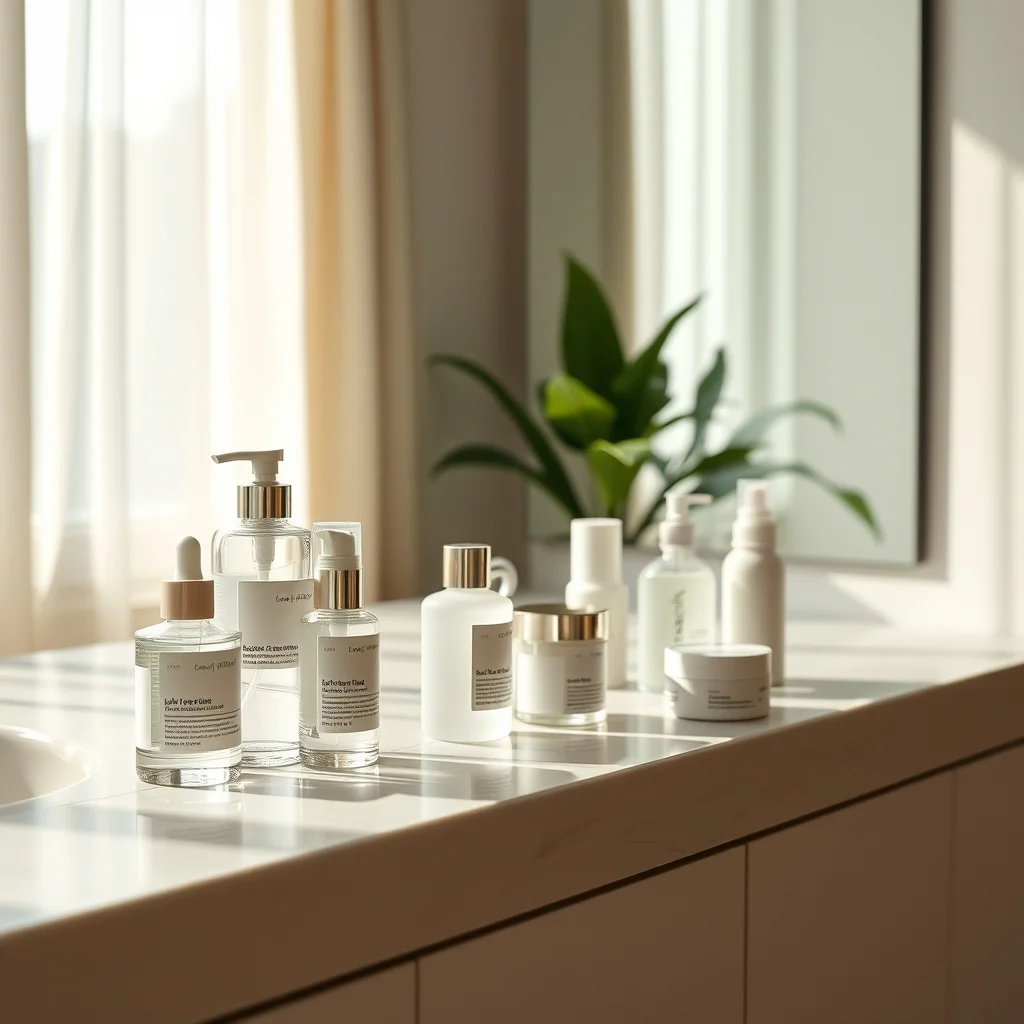
In 2024, the global skincare market continues to witness the ascendancy of Korean beauty (K-beauty) methodologies, particularly the multi-step layering technique known as the “K-glow” ritual. This approach, rooted in South Korea’s dermatological traditions, has transcended cultural boundaries, becoming a cornerstone of modern skincare regimens worldwide. The K-glow method is not a monolithic protocol but a customizable framework designed to address individual skin concerns—dryness, oiliness, acne, or hyperpigmentation—through a sequential application of products. Its popularity surged in the early 2010s, coinciding with the global expansion of K-beauty brands like Laneige, COSRX, and Dr. Jart+, and has since evolved into a data-driven practice backed by clinical studies and consumer analytics. Today, the method is embraced by dermatologists, estheticians, and skincare enthusiasts, with market research firm Statista projecting the global K-beauty market to reach $21.8 billion by 2026, driven in part by the demand for personalized, layering-based routines.
The K-glow ritual is predicated on the principle of “skin flooding,” where lightweight, hydrating layers are applied in a specific sequence to maximize absorption and efficacy. Unlike Western skincare, which often prioritizes minimalism, K-beauty layering emphasizes a structured progression: cleansing, toning, essence application, serum infusion, moisturizing, and sun protection. Each step is tailored to skin type—dry, oily, combination, or sensitive—with product formulations varying in texture, active ingredients, and concentration. For instance, hyaluronic acid-based essences are favored for dry skin, while niacinamide-rich serums dominate routines for oily or acne-prone complexions. The method’s adaptability has made it a staple in both clinical dermatology and at-home skincare, with a 2023 survey by the Korean Cosmetic Industry Institute revealing that 68% of K-beauty consumers customize their routines based on seasonal changes or skin condition fluctuations.
The Historical Evolution of K-Beauty Layering
The origins of K-beauty layering trace back to the 1960s, when South Korea’s post-war economic boom spurred innovation in cosmetic science. Early iterations of the multi-step routine were influenced by traditional Korean medicine, which emphasized hydration and barrier repair. By the 1980s, brands like Amorepacific and LG Household & Health Care began commercializing layering techniques, marketing them as “10-step routines” in response to consumer demand for comprehensive skincare solutions. The 2000s marked a turning point, as K-pop and K-drama exports popularized Korean beauty standards globally, leading to the coining of the term “glass skin”—a descriptor for a luminous, poreless complexion achieved through meticulous layering.
- 1960s-1970s: Introduction of double cleansing (oil-based followed by water-based cleansers) as a foundational step.
- 1980s-1990s: Expansion of toners and essences, with brands like Sulwhasoo incorporating herbal extracts into formulations.
- 2000s: Globalization of the 10-step routine, driven by social media and influencer marketing.
- 2010s-Present: Shift toward customization, with brands offering skin diagnostic tools (e.g., COSRX’s AI-powered app) to tailor routines.
The method’s evolution reflects broader trends in skincare science, including the rise of microbiome research and the development of “smart” skincare—products that adapt to environmental stressors or skin pH levels. A 2022 study published in the Journal of Cosmetic Dermatology found that layering products in a specific sequence increased hydration levels by 42% compared to single-product application, underscoring the method’s empirical validity.
The Operational Mechanics of Layering
The efficacy of K-beauty layering hinges on two core principles: product viscosity and active ingredient synergy. The sequence begins with lightweight, water-based formulations (e.g., toners, essences) and progresses to heavier, occlusive products (e.g., creams, balms). This gradient ensures optimal absorption while preventing product pilling or occlusion. For example, a hyaluronic acid serum applied after a toner penetrates deeper into the epidermis, whereas applying it before a toner may dilute its effects. Dr. Joyce Park, a board-certified dermatologist and founder of Tea with MD, explains, “The layering order isn’t arbitrary; it’s designed to mimic the skin’s natural lipid barrier. Starting with humectants like glycerin or snail mucin draws moisture into the skin, while subsequent occlusives like ceramides lock it in.”
Key steps in the layering process include:
- Double Cleansing: Oil-based cleansers remove sebum and sunscreen, followed by water-based cleansers to eliminate impurities without stripping the skin.
- Exfoliation (1-2x weekly): Chemical exfoliants (AHAs/BHAs) or physical scrubs to promote cell turnover, typically performed at night.
- Toning: pH-balancing toners prepare the skin for subsequent layers, with formulations varying by skin type (e.g., alcohol-free for dry skin, astringent for oily skin).
- Essence Application: Lightweight, nutrient-rich essences (e.g., fermented galactomyces) to enhance hydration and repair.
- Serum Infusion: Concentrated actives (e.g., vitamin C, retinol) targeting specific concerns like hyperpigmentation or aging.
- Moisturizing: Emulsions or creams to seal in moisture, with textures ranging from gel-based (oily skin) to balm-like (dry skin).
- Sun Protection: Broad-spectrum SPF 50+ applied as the final step in daytime routines.
A 2023 report by Mintel highlighted that 73% of K-beauty consumers adjust their layering sequence based on environmental factors, such as humidity or pollution levels. For instance, those in urban areas with high particulate matter may incorporate antioxidant serums earlier in the routine to neutralize free radicals.
Quantitative Data on Efficacy and Consumer Adoption
Empirical data underscores the tangible benefits of K-beauty layering. A 2021 clinical trial conducted by Seoul National University Hospital found that participants following a tailored 7-step routine experienced a 30% reduction in transepidermal water loss (TEWL) over 12 weeks, compared to a 12% reduction in the control group using a 3-step routine. The study also noted a 25% improvement in skin elasticity among the layering cohort, attributed to the cumulative effects of hydrating and barrier-repairing ingredients.
Consumer adoption metrics further illustrate the method’s global reach:
| Region | % of Skincare Consumers Using K-Beauty Layering (2023) | Top Skin Concerns Addressed |
|---|---|---|
| North America | 45% | Dryness, acne, aging |
| Europe | 38% | Sensitivity, hyperpigmentation |
| Southeast Asia | 62% | Oil control, pore minimization |
| Latin America | 29% | Sun damage, uneven texture |
Despite its popularity, the method is not without criticism. A 2022 survey by the Journal of Clinical and Aesthetic Dermatology found that 18% of users reported irritation or breakouts, often due to over-layering or incompatible product combinations. Dr. Soko Watanabe, a Tokyo-based dermatologist, cautions, “Layering works best when products are selected based on skin compatibility. For example, combining retinol with vitamin C in the same routine can cause irritation, whereas alternating them between morning and night yields better results.”
Systemic Impacts on the Skincare Industry
The rise of K-beauty layering has catalyzed systemic shifts in the global skincare industry. Brands outside Korea, including Western giants like Estée Lauder and L’Oréal, have incorporated layering principles into their product lines, launching multi-step systems or hybrid routines. For example, Estée Lauder’s Advanced Night Repair line is marketed as a “layering-friendly” serum, while L’Oréal’s Revitalift range includes a pre-serum to enhance subsequent product absorption.
The method has also spurred innovation in product packaging and delivery systems. Airless pumps, dropper bottles, and single-dose ampoules have become ubiquitous, designed to preserve product integrity and minimize contamination. Additionally, the demand for customization has led to the proliferation of skin diagnostic tools, such as Neutrogena’s Skin360 app, which analyzes skin conditions via smartphone cameras and recommends tailored routines.
Economically, the layering trend has reshaped retail strategies. Sephora and Ulta Beauty have dedicated sections to K-beauty, while e-commerce platforms like YesStyle and StyleKorean report a 50% year-over-year increase in layering-related product sales. The trend has also influenced regulatory frameworks; in 2023, the European Union updated its cosmetic ingredient guidelines to include stricter labeling requirements for multi-step routines, mandating clearer instructions on layering sequences.
Competing Stakeholder Perspectives
The K-beauty layering method elicits diverse viewpoints from stakeholders across the skincare ecosystem. Proponents, including dermatologists and estheticians, emphasize its scientific rigor and adaptability. Dr. Heather Rogers, a Seattle-based dermatologist, states, “Layering allows for precision in skincare. By targeting different skin layers with specific actives, we can address concerns like dehydration or inflammation more effectively than with a one-size-fits-all approach.”
Conversely, critics argue that the method is overly complex and inaccessible. A 2023 op-ed in Allure magazine contended that the 10-step routine is “a marketing gimmick that prioritizes consumption over efficacy,” citing the environmental impact of excessive packaging and the financial burden on consumers. Environmental advocacy group Greenpeace East Asia reported that K-beauty packaging waste increased by 22% between 2019 and 2022, driven in part by the layering trend’s reliance on single-use samples and miniatures.
Consumer perspectives are equally varied. A Reddit thread on r/SkincareAddiction revealed a 60-40 split among users, with 60% praising the method’s transformative results and 40% criticizing its time-consuming nature. One user noted, “I saw a noticeable difference in my skin’s texture after three months of layering, but it’s not sustainable for my busy schedule.” Another added, “The key is simplification. I’ve condensed my routine to five steps without sacrificing results.”
Industry analysts predict that the future of K-beauty layering lies in hybrid routines—streamlined versions that retain the method’s core principles while accommodating modern lifestyles. Brands like Peach & Lily and Glow Recipe are already leading this shift, offering “5-step” or “3-step” routines that leverage layering techniques in a more concise format. Meanwhile, regulatory bodies in South Korea and the EU are expected to introduce guidelines on product layering claims by 2025, aiming to standardize efficacy testing and consumer education. The interplay between innovation, regulation, and consumer behavior will determine whether the K-glow method remains a niche practice or solidifies its place as a global skincare standard.
You may also like
-
The Comprehensive Dynamics of the Glass Skin Routine: Korea’s Luminous Skincare Philosophy and Its Global Scientific Validation
-
The Layered Logic of Korean Skincare: A Systematic Breakdown of Customization, Hydration, and Skin-Specific Radiance Strategies
-
K-Beauty’s Gentle Barrier Protection: A Multidimensional Framework for Skin Resilience and Long-Term Health
-
The Strategic Evolution of the Seven Skin Method: Korea’s Layered Hydration Revolution and Its Scientific Foundations in Modern Skincare
-
Seoul’s K-Beauty Frontier: A Comprehensive Analysis of the Micro Spicule Tech Trend and Its Scientific, Cultural, and Market Implications