
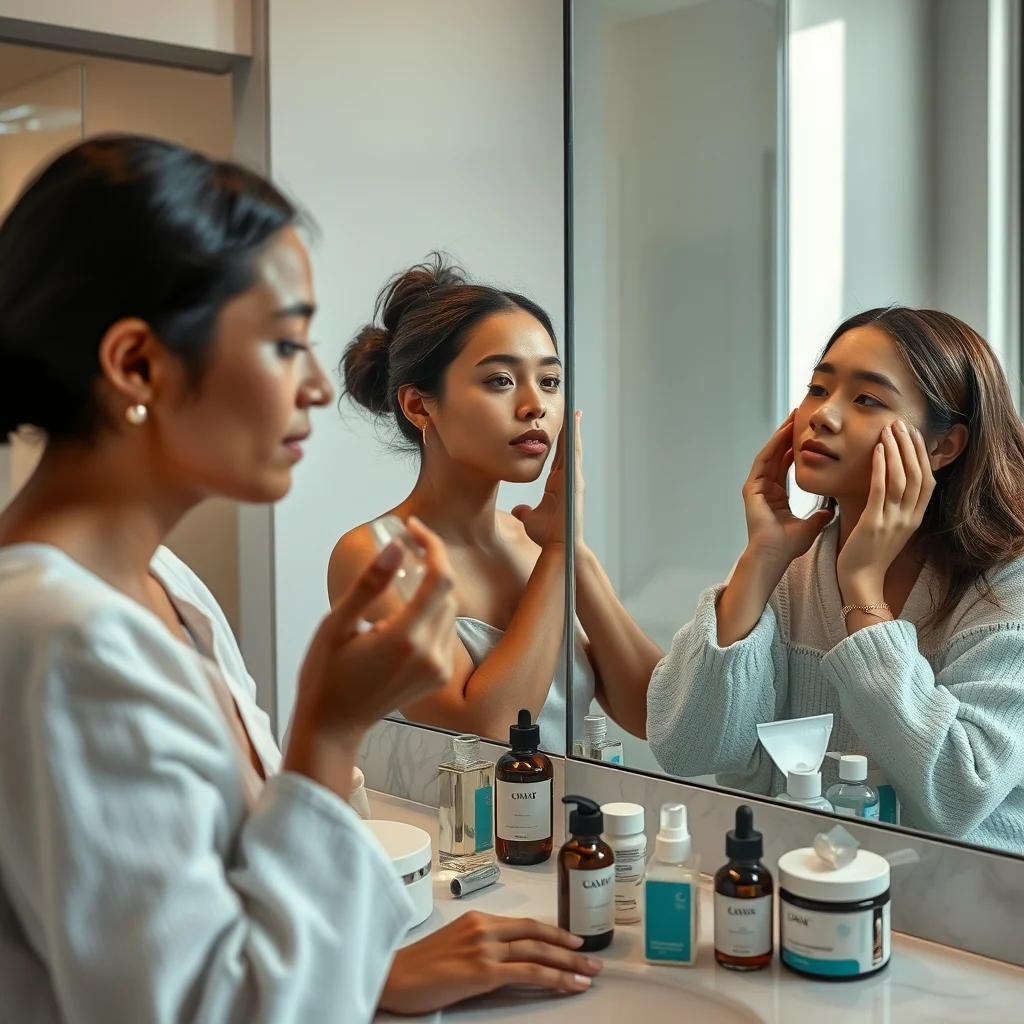
Korean skincare, often referred to as K-beauty, has revolutionized global beauty standards by emphasizing a multi-step, layered approach to achieving radiant, healthy skin. The practice, rooted in decades of tradition and innovation, has gained traction worldwide, with consumers adopting routines tailored to their specific skin types and concerns. As of 2024, the global K-beauty market is valued at over $13 billion, driven by demand for products that promise hydration, brightening, and long-term skin health. This article examines the mechanics, historical evolution, and systemic impacts of layering Korean skincare, offering a 360-degree perspective on its efficacy and customization.
Executive Summary: The Who, What, When, Where, Why, and How of K-Beauty Layering
Who: The primary stakeholders in the K-beauty layering phenomenon include consumers, dermatologists, skincare brands, and regulatory bodies. Consumers span all demographics, though the practice is particularly popular among individuals aged 18-45 seeking solutions for hydration, acne, aging, or dullness. Dermatologists and estheticians play a critical role in validating or adapting these routines for clinical use, while brands like Laneige, COSRX, and Dr. Jart+ drive product innovation.
What: Layering Korean skincare involves applying multiple products in a specific sequence to maximize absorption and efficacy. A typical routine may include 7-10 steps, such as double cleansing, toning, essence application, serums, sheet masks, moisturizers, and sunscreen. The goal is to address skin concerns through targeted hydration, barrier repair, and active ingredient delivery.
When: The modern K-beauty layering method emerged in the late 20th century, gaining global prominence in the 2010s. The rise of social media platforms like Instagram and TikTok accelerated its adoption, with influencers and beauty experts demonstrating routines to millions of followers. Today, the practice is a staple in skincare regimens worldwide, with seasonal adaptations to address climate-specific challenges.
Where: While originating in South Korea, K-beauty layering has been adopted globally, with regional variations. In humid climates like Southeast Asia, lighter textures and mattifying products are preferred, whereas dry climates in North America or Europe favor richer moisturizers and occlusives. The practice has also influenced Western skincare brands, leading to hybrid routines that blend K-beauty principles with local preferences.
Why: The appeal of K-beauty layering lies in its customization and results-driven approach. Unlike one-size-fits-all routines, it allows users to tailor products to their skin type—whether oily, dry, combination, or acne-prone. The emphasis on hydration and barrier protection aligns with dermatological research highlighting the importance of a healthy skin microbiome and moisture retention for long-term skin health.
How: The method relies on the principle of
You may also like
-
The Comprehensive Dynamics of the Glass Skin Routine: Korea’s Luminous Skincare Philosophy and Its Global Scientific Validation
-
The Layered Logic of Korean Skincare: A Systematic Breakdown of Customization, Hydration, and Skin-Specific Radiance Strategies
-
K-Beauty’s Gentle Barrier Protection: A Multidimensional Framework for Skin Resilience and Long-Term Health
-
The Strategic Evolution of the Seven Skin Method: Korea’s Layered Hydration Revolution and Its Scientific Foundations in Modern Skincare
-
Seoul’s K-Beauty Frontier: A Comprehensive Analysis of the Micro Spicule Tech Trend and Its Scientific, Cultural, and Market Implications