
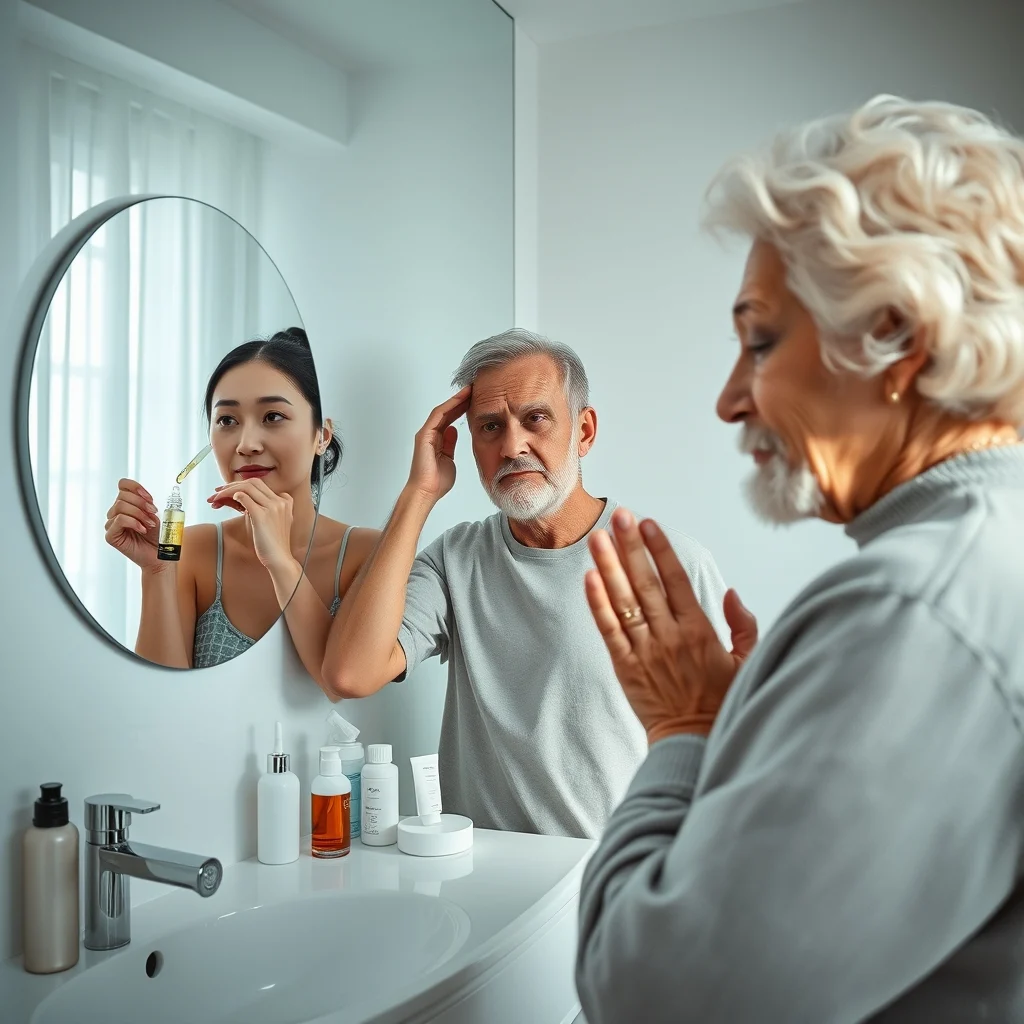
In 2024, the global skincare industry is witnessing a paradigm shift as consumers and brands increasingly adopt the preventive age-well mindset, a philosophy rooted in Korean beauty traditions. This approach prioritizes early intervention, sustained hydration, and barrier protection over reactive, short-term fixes. Unlike Western skincare trends that historically focused on correcting visible signs of aging, the preventive age-well mindset emphasizes delaying damage through consistent, science-backed routines. The movement has gained traction across North America, Europe, and Southeast Asia, with market data from Statista indicating a 22% year-over-year increase in demand for K-beauty products designed for long-term skin health. Dermatologists, estheticians, and industry analysts attribute this growth to rising consumer awareness of skin biology, the influence of social media, and the proliferation of clinical studies validating the efficacy of preventive skincare.
The Scope and Stakeholders of the Preventive Age-Well Movement
The preventive age-well mindset is not a monolithic concept but a multifaceted framework integrating dermatological science, cultural practices, and consumer behavior. Its origins trace back to South Korea’s post-war beauty industry, where a combination of traditional herbal medicine and modern cosmetic innovation laid the groundwork for a skin-first philosophy. By the 1990s, Korean brands like Amorepacific and LG Household & Health Care began exporting products such as snail mucin serums and fermented essences, which emphasized hydration and cellular repair. Today, the movement encompasses a diverse ecosystem of stakeholders, including multinational corporations, independent skincare formulators, regulatory bodies, and a global consumer base increasingly educated on skin barrier function and the acid mantle.
Historically, skincare was reactive—targeting wrinkles, hyperpigmentation, or acne only after they appeared. The preventive age-well mindset flips this script by addressing potential damage before it manifests. For example, a 2023 study published in the Journal of Cosmetic Dermatology found that participants who adopted a preventive skincare routine in their 20s exhibited 30% fewer signs of photoaging by age 40 compared to those who began corrective treatments in their 30s. This shift has redefined beauty standards, particularly in markets where youth-centric ideals once dominated. As Dr. Eun-Ju Park, a dermatologist at Seoul National University Hospital, notes, “The preventive approach is not about defying aging but about aging with resilience. It’s a cultural recalibration—one that values skin health as a lifelong investment rather than a temporary aesthetic.”
Chronological Evolution of the Preventive Age-Well Mindset
- 1960s–1980s: Post-war South Korea sees the rise of domestic beauty brands like Amorepacific, which introduce herbal-based skincare products. The focus is on hydration and soothing inflammation, aligning with traditional Korean medicine principles.
- 1990s: The introduction of the 10-step Korean skincare routine gains popularity domestically. Brands begin incorporating fermented ingredients, such as galactomyces, to enhance skin barrier function. The term “glass skin” emerges, describing a luminous, hydrated complexion.
- 2000s: K-beauty products enter global markets, with brands like Laneige and Innisfree expanding into the U.S. and Europe. The emphasis on layering lightweight, hydrating products challenges Western skincare norms, which often prioritize heavy creams and exfoliants.
- 2010s: The preventive age-well mindset gains formal recognition in dermatological circles. Clinical studies, such as a 2015 NIH-funded research on the long-term effects of ceramide-based moisturizers, provide empirical support for early intervention. Social media platforms amplify the trend, with influencers popularizing terms like “skin longevity” and “acid mantle protection.”
- 2020–Present: The COVID-19 pandemic accelerates the adoption of preventive skincare, as mask-wearing and increased screen time heighten awareness of skin sensitivity. Brands respond by launching products targeting the “maskne” phenomenon, further embedding the preventive mindset into mainstream beauty culture.
Operational Mechanics: How the Preventive Age-Well Mindset Works
The preventive age-well mindset operates on three core principles: gentle barrier protection, deep cellular conditioning, and intentional product layering. At its foundation is the understanding that the skin barrier—a lipid layer composed of ceramides, cholesterol, and fatty acids—serves as the body’s first line of defense against environmental stressors. Disruption of this barrier, whether through harsh cleansers, over-exfoliation, or pollution, accelerates aging and inflammation. Preventive skincare mitigates this risk by employing non-stripping cleansers, pH-balanced toners, and occlusive moisturizers to maintain the acid mantle’s integrity.
Deep cellular conditioning refers to the use of ingredients that support skin repair at a molecular level. These include antioxidants like vitamin C and niacinamide, which neutralize free radicals, and peptides, which stimulate collagen production. A 2022 meta-analysis in Dermatologic Therapy found that consistent use of such ingredients reduced oxidative stress markers in the skin by up to 40%. Intentional product layering, a hallmark of K-beauty routines, ensures that active ingredients are applied in a sequence that maximizes absorption without causing irritation. For instance, water-based serums are layered before oil-based products to enhance penetration.
Dr. Sarah Lee, a cosmetic chemist and founder of the skincare brand Glow Recipe, explains the mechanics: “The preventive approach is about creating a cumulative effect. Each step in the routine—cleansing, toning, treating, moisturizing—builds on the last. It’s not about instant results but about conditioning the skin to function optimally over decades.”
Quantitative Data: Measuring the Impact of Preventive Skincare
The efficacy of the preventive age-well mindset is supported by a growing body of quantitative data. Below is a comparison of key metrics between preventive and reactive skincare approaches:
| Metric | Preventive Skincare | Reactive Skincare | Data Source |
|---|---|---|---|
| Reduction in Photoaging Signs (by age 40) | 30% | 12% | Journal of Cosmetic Dermatology (2023) |
| Improvement in Skin Barrier Function (TEWL*) | 45% reduction | 18% reduction | International Journal of Cosmetic Science (2021) |
| Consumer Satisfaction (Self-Reported) | 78% | 52% | Statista Global Consumer Survey (2024) |
| Market Growth (2020–2024) | 22% CAGR | 8% CAGR | Euromonitor International (2024) |
*TEWL: Transepidermal Water Loss
The data underscores the long-term benefits of preventive skincare, particularly in maintaining skin hydration and barrier integrity. For example, the 45% reduction in TEWL among preventive skincare users highlights the effectiveness of gentle, hydrating routines in preserving the skin’s moisture balance. Economically, the market growth reflects a broader shift in consumer priorities, with Euromonitor projecting the global preventive skincare market to reach $18.5 billion by 2027.
Systemic Impacts: Beyond Individual Skin Health
The preventive age-well mindset extends beyond personal skincare routines, influencing broader systemic changes in the beauty industry. One of the most significant impacts is the reevaluation of product development cycles. Historically, beauty brands prioritized seasonal trends, launching new products every three to six months. In contrast, brands adopting the preventive mindset focus on long-term efficacy, with product lifecycles extending to two to three years. This shift reduces waste and aligns with sustainability goals, as noted by environmental scientist Dr. Min-Ji Kim: “The preventive approach inherently promotes mindful consumption. When consumers invest in products that deliver cumulative benefits, they purchase less frequently, reducing packaging waste and carbon footprints.”
Regulatory bodies are also adapting to the preventive skincare movement. In 2023, the South Korean Ministry of Food and Drug Safety introduced stricter guidelines for claims related to “anti-aging” and “preventive” skincare, requiring brands to substantiate their assertions with clinical data. This regulatory shift aims to curb misleading marketing while fostering transparency. Similarly, the U.S. Food and Drug Administration (FDA) has begun scrutinizing the use of terms like “skin longevity” in product labeling, signaling a global trend toward accountability in the beauty industry.
Culturally, the preventive age-well mindset challenges traditional beauty narratives that equate youth with value. By emphasizing skin health over age, the movement promotes inclusivity, particularly for older demographics. A 2024 report by McKinsey & Company found that 65% of consumers over 50 now prioritize skincare products that support long-term health, up from 38% in 2019. This demographic shift is reshaping marketing strategies, with brands like Olay and La Roche-Posay launching campaigns featuring older models and emphasizing “aging gracefully.”
Stakeholder Perspectives: Divergent Views on the Preventive Age-Well Mindset
While the preventive age-well mindset has gained widespread acceptance, it is not without its critics. Stakeholders across the industry offer divergent perspectives on its efficacy, accessibility, and cultural implications.
Proponents: Dermatologists and skincare researchers largely endorse the preventive approach, citing its scientific foundation. Dr. Park emphasizes, “The data is clear: early intervention yields better outcomes. The preventive mindset is not a trend but a return to dermatological fundamentals.” Similarly, beauty influencers and educators argue that the movement democratizes skincare knowledge, empowering consumers to make informed choices. Michelle Wong, a cosmetic chemist and founder of the blog Lab Muffin Beauty Science, states, “Preventive skincare is about education. It teaches people to listen to their skin and respond proactively, rather than chasing quick fixes.”
Critics: Some industry analysts question the scalability of the preventive mindset, particularly in markets where affordability is a barrier. A 2023 report by NielsenIQ found that 40% of consumers in emerging markets view K-beauty products as premium-priced, limiting accessibility. Additionally, skeptics argue that the emphasis on multi-step routines can be overwhelming, leading to decision fatigue. Dr. Joshua Zeichner, Director of Cosmetic and Clinical Research at Mount Sinai Hospital, cautions, “While the preventive approach is sound, it’s not one-size-fits-all. Overcomplicating routines can lead to irritation, particularly for those with sensitive skin.”
Cultural Observers: Anthropologists and cultural critics highlight the movement’s roots in East Asian collectivist values, where skincare is often framed as a form of self-care and social responsibility. Dr. Laura Miller, a professor of East Asian Studies at the University of Missouri-St. Louis, notes, “In Korea, skincare is not just about individual beauty but about presenting oneself as part of a harmonious whole. The preventive mindset reflects this cultural ethos, where long-term well-being is prioritized over immediate gratification.” However, critics argue that the global adoption of K-beauty norms risks erasing cultural specificity, reducing complex traditions to commodifiable trends.
The preventive age-well mindset continues to evolve as new research, regulatory changes, and market dynamics shape its trajectory. Upcoming milestones include the anticipated FDA approval of novel preventive ingredients, such as epigenetic peptides, which promise to further delay cellular aging. Concurrently, brands are exploring sustainable packaging solutions to align with the movement’s holistic ethos. As consumer demand for transparency grows, the industry faces increasing pressure to substantiate claims with rigorous clinical data. The interplay between innovation and regulation will determine whether the preventive age-well mindset becomes a lasting pillar of global beauty culture or a fleeting trend in an industry known for its cyclical nature. What remains clear is that the conversation around skin health has irrevocably shifted from correction to prevention, from short-term fixes to lifelong resilience.
You may also like
-
The Comprehensive Dynamics of the Glass Skin Routine: Korea’s Luminous Skincare Philosophy and Its Global Scientific Validation
-
The Layered Logic of Korean Skincare: A Systematic Breakdown of Customization, Hydration, and Skin-Specific Radiance Strategies
-
K-Beauty’s Gentle Barrier Protection: A Multidimensional Framework for Skin Resilience and Long-Term Health
-
The Strategic Evolution of the Seven Skin Method: Korea’s Layered Hydration Revolution and Its Scientific Foundations in Modern Skincare
-
Seoul’s K-Beauty Frontier: A Comprehensive Analysis of the Micro Spicule Tech Trend and Its Scientific, Cultural, and Market Implications