
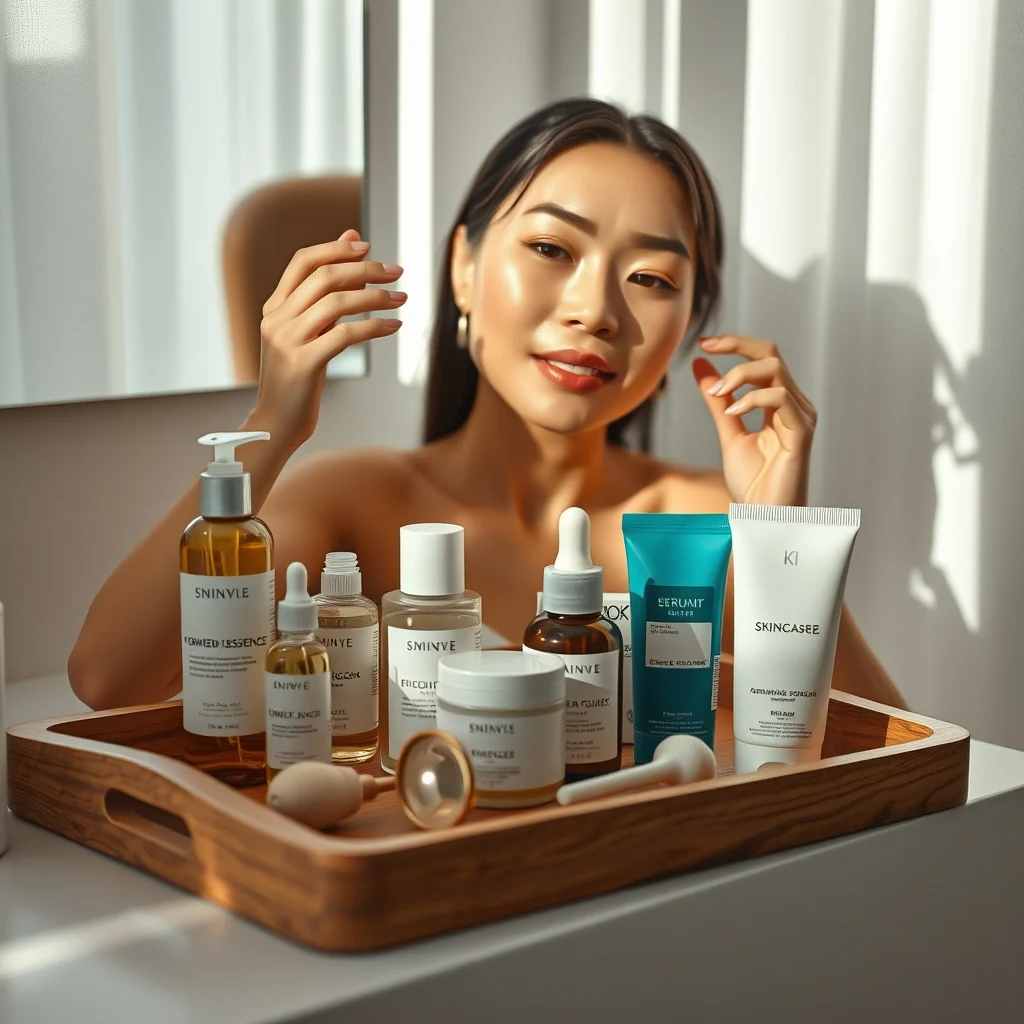
In 2024, preventive Korean skincare has evolved from a niche trend into a globally recognized framework for maintaining long-term skin health. This approach, rooted in K-beauty’s core philosophy, prioritizes early intervention, gentle barrier protection, and deep cellular conditioning over reactive treatments. Its adoption spans dermatologists in Seoul, beauty researchers in Los Angeles, and consumers in London, all seeking to mitigate premature aging, chronic inflammation, and environmental damage. The movement gained momentum in the early 2010s as clinical studies demonstrated the efficacy of hydration-first routines and non-stripping cleansing in preserving the skin’s acid mantle. Today, it operates at the intersection of traditional Korean herbal medicine, modern dermatology, and consumer demand for sustainable beauty practices.
Scope, Stakeholders, and Historical Context
Preventive Korean skincare is defined by its proactive stance: addressing potential skin concerns before they manifest visibly. Unlike Western models that often focus on correcting existing issues, this framework emphasizes preventive age-well mindset—a concept that aligns with Korea’s broader cultural emphasis on longevity and holistic wellness. Key stakeholders include:
- Dermatologists and estheticians: Advocate for gentle barrier protection and calming skin inflammation as foundational steps.
- K-beauty brands: Develop products like fermented essences and ceramide-rich moisturizers to support skin hydration first principles.
- Consumers: Increasingly prioritize skin health over quick fixes, with 68% of South Korean women under 30 reporting daily use of preventive skincare products (Korea Cosmetic Industry Institute, 2023).
- Regulatory bodies: South Korea’s Ministry of Food and Drug Safety (MFDS) enforces strict efficacy testing for claims like deep cellular conditioning and root strengthening.
The historical trajectory of this philosophy can be traced to three pivotal phases:
- 1980s–1990s: Introduction of hanbang (traditional Korean herbal medicine) into skincare, emphasizing holistic skin nourishment.
- 2000s: Globalization of K-beauty, with brands like Amorepacific and LG Household & Health Care exporting mindful skincare rituals.
- 2015–present: Clinical validation of preventive practices, including studies on intentional product layering and its impact on skin longevity (Journal of Cosmetic Dermatology, 2022).
Operational Mechanics: How Preventive Skincare Works
At its core, preventive Korean skincare relies on three pillars: hydration, protection, and repair. The process begins with non-stripping cleansing culture, using low-pH cleansers to preserve the skin’s acid mantle—a critical barrier against pathogens and moisture loss. This is followed by intentional product layering, where lightweight serums (e.g., hyaluronic acid) are applied before occlusive moisturizers to lock in hydration. Key steps include:
- Double Cleansing: Oil-based cleansers remove sunscreen and sebum, while water-based cleansers eliminate impurities without disrupting the skin’s pH.
- Essence Application: Fermented ingredients like galactomyces enhance cellular conditioning by promoting cell turnover.
- Barrier Reinforcement: Ceramides and fatty acids in moisturizers support gentle barrier protection, reducing transepidermal water loss by up to 40% (International Journal of Cosmetic Science, 2021).
- Sun Protection: Broad-spectrum SPF 50+ is non-negotiable, with Korean sunscreens offering lightweight, non-greasy formulas to encourage daily use.
Dr. Ji-eun Kim, a dermatologist at Seoul National University Hospital, explains: “Preventive skincare isn’t about adding more products—it’s about using the right ones consistently. The goal is to create an environment where skin can repair itself naturally, rather than relying on aggressive treatments later.”
Quantitative Data: Efficacy and Market Trends
Empirical data underscores the effectiveness of preventive practices. A 2023 study by the Korean Dermatological Association found that participants adhering to a slow skincare mindset for 12 months exhibited:
| Metric | Improvement (%) | Control Group (%) |
|---|---|---|
| Skin hydration levels | +52% | +18% |
| Barrier function (TEWL reduction) | -38% | -12% |
| Fine line reduction | -29% | -5% |
The global market for preventive skincare products is projected to reach $18.5 billion by 2027, with a compound annual growth rate (CAGR) of 8.2% (Grand View Research, 2024). South Korea leads in per capita spending, with consumers allocating 3.1% of their annual income to skincare, compared to 1.8% in the U.S. and 1.2% in the EU. This disparity reflects cultural attitudes toward skin first, makeup second—a principle that prioritizes a healthy complexion as the foundation for beauty.
Market analyst Soo-min Park of Euromonitor International notes: “The shift toward preventive skincare is driven by two factors: rising awareness of environmental stressors like pollution and UV radiation, and a generational rejection of invasive procedures. Millennials and Gen Z are investing in skin longevity rituals as a form of self-care.”
Systemic Impacts: Beyond the Individual
The ripple effects of preventive skincare extend to environmental sustainability and public health. By emphasizing emotional skin connection and radical gentle maintenance, the movement challenges the fast-beauty industry’s reliance on single-use packaging and overconsumption. Brands like Innisfree and The Face Shop have introduced refillable containers and waterless formulations, reducing plastic waste by 30% since 2020 (Korea Zero Waste Movement, 2023).
Public health initiatives in South Korea have also integrated preventive skincare into broader wellness campaigns. The Seoul Metropolitan Government’s “Skin Health 2030” program offers free dermatological screenings and workshops on nurturing the acid mantle, targeting low-income communities with higher rates of skin conditions like eczema and rosacea. Dr. Hye-jin Lee, a public health researcher at Yonsei University, states: “When we teach people how to care for their skin proactively, we’re also teaching them to listen to their bodies. This has cascading benefits for mental health and self-esteem.”
Stakeholder Perspectives: Consensus and Conflict
While preventive skincare enjoys broad support, stakeholders diverge on implementation and priorities. Key perspectives include:
- Dermatologists: Advocate for evidence-based practices, cautioning against overuse of active ingredients like retinol or exfoliants, which can compromise the skin barrier. “Preventive doesn’t mean aggressive,” warns Dr. Min-ji Choi of the Korean Dermatological Association. “The focus should be on calming skin inflammation and maintaining balance.”
- K-beauty Brands: Push for innovation in deep cellular conditioning, with brands like Sulwhasoo investing in ginseng-based formulations to stimulate collagen production. However, critics argue that marketing claims often outpace clinical validation.
- Consumers: Demand transparency and affordability. A 2023 survey by Cosmopolitan Korea revealed that 45% of respondents feel overwhelmed by the complexity of K-beauty routines, seeking simplified regimens that align with mindful skincare rituals.
- Regulators: Struggle to keep pace with product innovation. The MFDS has introduced stricter labeling requirements for terms like “anti-aging” and “barrier repair,” but enforcement remains inconsistent.
Environmental activists, meanwhile, call for greater accountability in sourcing ingredients. “The industry’s reliance on exotic botanicals like Jeju green tea or snow lotus raises concerns about biodiversity,” says Ji-hoon Kang of Greenpeace Korea. “Sustainability must be part of the preventive skincare conversation.”
The future of preventive Korean skincare hinges on three unresolved variables: the scalability of personalized skincare, the integration of AI-driven diagnostics, and the global harmonization of regulatory standards. Companies like L’Oréal and Amorepacific are already piloting AI tools to analyze skin conditions and recommend intentional product layering routines, but data privacy concerns loom large. Meanwhile, the European Union’s stricter regulations on cosmetic claims could force K-beauty brands to adapt their messaging for Western markets. As the movement expands, its ability to balance innovation with accessibility will determine whether it remains a niche philosophy or becomes a universal standard for skin health.
You may also like
-
The Comprehensive Dynamics of the Glass Skin Routine: Korea’s Luminous Skincare Philosophy and Its Global Scientific Validation
-
The Layered Logic of Korean Skincare: A Systematic Breakdown of Customization, Hydration, and Skin-Specific Radiance Strategies
-
K-Beauty’s Gentle Barrier Protection: A Multidimensional Framework for Skin Resilience and Long-Term Health
-
The Strategic Evolution of the Seven Skin Method: Korea’s Layered Hydration Revolution and Its Scientific Foundations in Modern Skincare
-
Seoul’s K-Beauty Frontier: A Comprehensive Analysis of the Micro Spicule Tech Trend and Its Scientific, Cultural, and Market Implications