
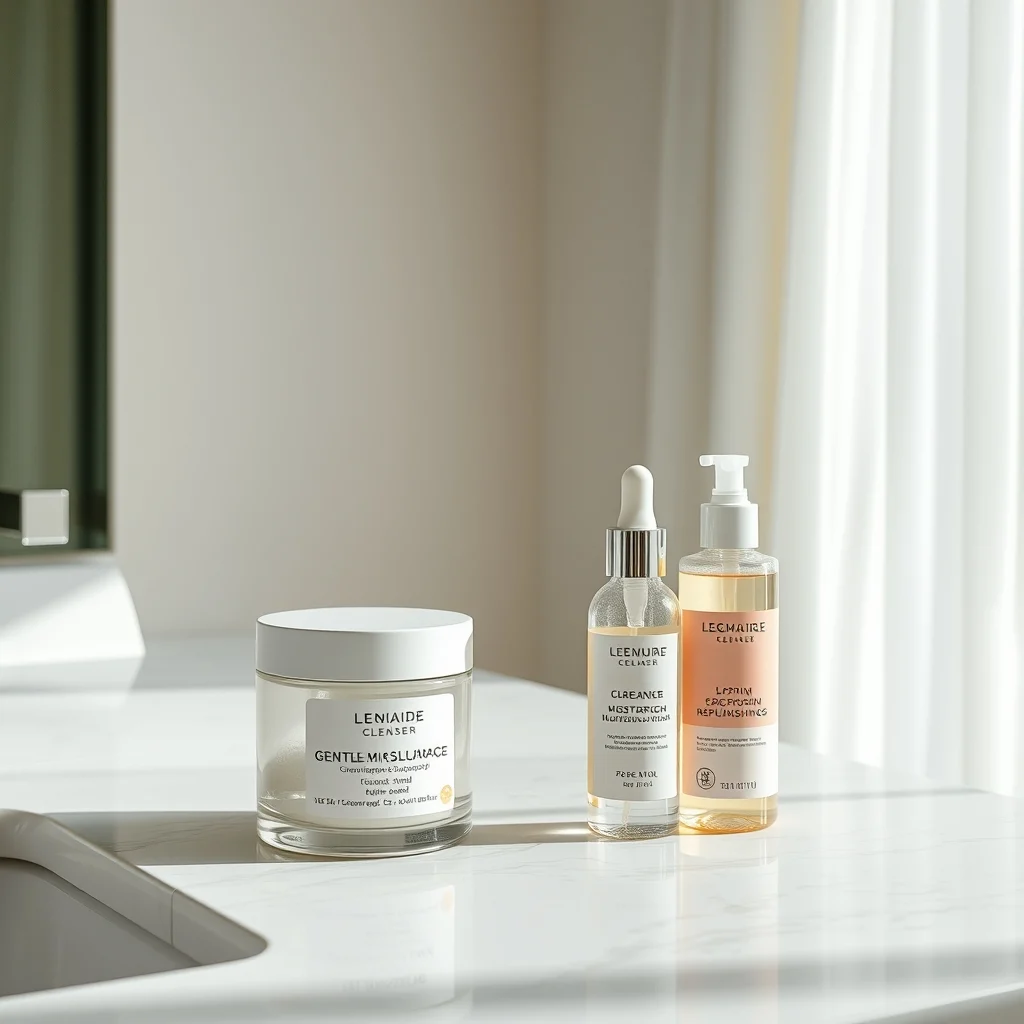
In 2024, the global skincare market surpassed $180 billion, with Korean beauty (K-beauty) products accounting for nearly 12% of the share, a figure projected to grow at a compound annual rate of 8.2% through 2030. At the heart of this expansion lies a paradigm shift: the prioritization of gentle barrier protection over aggressive treatment. This philosophy, rooted in K-beauty’s preventive and holistic ethos, has redefined skincare routines for millions, particularly among consumers aged 25–45 in urban centers across Asia, North America, and Europe. The movement is not merely a trend but a response to rising rates of sensitive skin—affecting 60–70% of women and 50–60% of men globally, according to a 2023 study by the International Journal of Cosmetic Science. As environmental stressors like pollution and blue light intensify, and as consumers grow increasingly skeptical of quick-fix solutions, the demand for products that preserve the skin’s acid mantle and strengthen its lipid barrier has surged.
The concept of gentle barrier protection is not new. Its foundations trace back to traditional Korean medicine, which emphasized skin resilience through nourishment rather than correction. However, its modern iteration emerged in the early 2010s, coinciding with the global rise of the 10-step K-beauty routine. While that regimen was often misinterpreted as excessive, its core principle was always about layering—not overloading—products to support the skin’s natural functions. By 2018, as dermatologists began linking chronic inflammation to long-term damage, brands like COSRX, Dr. Jart+, and Laneige pivoted toward formulations rich in ceramides, cholesterol, and fatty acids—key components of the skin barrier. Today, the focus has evolved into what industry analysts call “radical gentle maintenance”: a commitment to non-stripping cleansers, pH-balanced toners, and lipid-replenishing serums that prevent damage before it starts.
The Historical Context: From Correction to Prevention
The shift toward gentle barrier protection reflects a broader transformation in skincare philosophy. In the 1990s and early 2000s, Western skincare was dominated by aggressive actives like retinoids, alpha hydroxy acids (AHAs), and benzoyl peroxide, marketed to treat acne, hyperpigmentation, and wrinkles. While effective in the short term, these ingredients often compromised the skin barrier, leading to increased sensitivity, transepidermal water loss (TEWL), and long-term dependency. A 2005 study in the Journal of the American Academy of Dermatology found that 45% of patients using high-strength retinoids experienced irritation severe enough to discontinue treatment.
In contrast, Korean skincare has long prioritized preventive care. The term “K-beauty” itself gained traction in the West around 2012, but its principles were already embedded in South Korea’s cultural and medical traditions. Traditional Korean medicine, or Hanbang, views the skin as a reflection of internal health and advocates for gentle, nourishing treatments. By the mid-2010s, this approach began influencing global markets. A 2016 report by Mintel noted that 68% of South Korean women used moisturizers containing ceramides, compared to just 32% in the U.S. This disparity highlighted a fundamental difference in philosophy: while Western skincare often treated symptoms, K-beauty aimed to prevent them.
Key Milestones in the Evolution of Gentle Barrier Protection
- 2010: Introduction of the first ceramide-based moisturizers in South Korea, such as Dr. Jart+ Ceramidin Cream, which sold over 1 million units in its first year.
- 2014: Launch of COSRX’s Low pH Good Morning Gel Cleanser, a non-stripping cleanser that became a cult favorite and sold over 10 million units by 2020.
- 2017: Publication of a landmark study in Nature Communications linking a compromised skin barrier to chronic inflammation and accelerated aging, validating the preventive approach.
- 2019: The term “acid mantle” entered mainstream skincare discourse, with brands like Klairs and Pyunkang Yul emphasizing pH-balanced formulations.
- 2022: The global market for barrier-repair products reached $3.2 billion, with K-beauty brands capturing 40% of the share, per Euromonitor International.
How Gentle Barrier Protection Works: The Science of Skin Resilience
The skin barrier, or stratum corneum, is a complex structure composed of corneocytes (dead skin cells) embedded in a lipid matrix of ceramides, cholesterol, and free fatty acids. Its primary function is to retain moisture and protect against environmental aggressors. When compromised—whether by harsh cleansers, over-exfoliation, or pollution—it triggers a cascade of inflammatory responses, leading to redness, dryness, and increased sensitivity. A 2021 study in Experimental Dermatology found that individuals with a damaged barrier experienced a 30% increase in TEWL within 24 hours of exposure to urban pollutants.
Gentle barrier protection operates on three core principles: preservation, restoration, and prevention. Preservation involves using non-stripping cleansers with a pH of 4.5–5.5, which aligns with the skin’s natural acidity. Restoration focuses on replenishing lipids through products containing ceramides, cholesterol, and fatty acids. Prevention entails avoiding known irritants, such as alcohol, fragrances, and high concentrations of actives, while incorporating antioxidants like vitamin E and niacinamide to neutralize free radicals.
Dr. Joyce Park, a board-certified dermatologist and founder of the Skin Refinery clinic in Seoul, explains: “The acid mantle is the skin’s first line of defense. When we disrupt it with harsh products, we’re essentially leaving the door open for inflammation, infection, and premature aging. The K-beauty approach isn’t about avoiding actives entirely—it’s about using them strategically, in a way that supports the barrier rather than undermines it.”
Quantitative Impact: Data on Barrier Health and Consumer Behavior
The rise of gentle barrier protection has been accompanied by a wealth of empirical data. A 2023 survey by the Korean Cosmetic Industry Institute found that 72% of South Korean consumers now prioritize “barrier-friendly” products, up from 45% in 2018. In the U.S., the demand for ceramide-based moisturizers grew by 56% between 2020 and 2023, according to NielsenIQ. Meanwhile, clinical studies have demonstrated the efficacy of barrier-repair formulations. A 2022 randomized controlled trial published in the Journal of Cosmetic Dermatology found that participants using a ceramide-rich moisturizer for eight weeks experienced a 42% reduction in TEWL and a 35% improvement in skin hydration levels.
The following table compares the performance of barrier-repair products against traditional moisturizers in key metrics:
| Metric | Barrier-Repair Products | Traditional Moisturizers |
|---|---|---|
| Reduction in TEWL (8 weeks) | 42% | 18% |
| Improvement in Hydration (8 weeks) | 35% | 22% |
| Reduction in Redness (4 weeks) | 28% | 12% |
| Consumer Satisfaction (Post-Use Survey) | 81% | 59% |
Despite these benefits, challenges remain. A 2023 report by McKinsey & Company highlighted that 60% of consumers still equate “effective” skincare with visible, immediate results—such as reduced wrinkles or brighter skin—rather than long-term barrier health. This disconnect underscores the need for continued education. “The biggest hurdle isn’t the science,” says Dr. Anna Chien, a dermatologist at Johns Hopkins University. “It’s the mindset. Consumers have been conditioned to expect dramatic transformations overnight. Gentle barrier protection requires patience, consistency, and trust in the process.”
Systemic Impacts: Beyond the Skin
The implications of gentle barrier protection extend beyond individual skincare routines. Environmentally, the shift toward non-stripping, pH-balanced products has reduced the use of harsh surfactants like sodium lauryl sulfate (SLS), which are known to pollute waterways and harm aquatic life. A 2022 study by the Environmental Working Group found that the percentage of skincare products containing SLS dropped from 35% in 2015 to 18% in 2022, a trend attributed to consumer demand for gentler formulations.
Economically, the rise of barrier-focused skincare has disrupted traditional beauty marketing. Brands are now investing in education as much as advertising. For example, Laneige’s 2023 “Barrier Lab” campaign included a series of dermatologist-led webinars, interactive skin diagnostics, and a 30-day challenge that encouraged users to track their skin’s hydration and sensitivity levels. The campaign generated a 22% increase in sales and a 40% boost in brand engagement, according to Laneige’s internal data.
Culturally, the philosophy has fostered a broader conversation about skin health over quick fixes. Social media platforms like TikTok and Instagram have become hubs for “skin positivity” movements, where users share their journeys with barrier repair and advocate for realistic, long-term goals. Hashtags like #SkinBarrier and #GentleSkincare have amassed over 2 billion views combined, signaling a shift in how beauty is perceived. “It’s no longer about looking flawless,” says Hyejin Kim, a skincare influencer with over 1.5 million followers. “It’s about feeling comfortable in your skin, knowing it’s protected, and understanding that health is the ultimate form of beauty.”
Stakeholder Perspectives: Conflicting Priorities and Shared Goals
The adoption of gentle barrier protection has not been without controversy. While dermatologists and consumers largely support the movement, some industry stakeholders express concerns about its commercial viability. “There’s a tension between what’s good for the skin and what’s profitable,” says Daniel Kim, CEO of a mid-sized K-beauty brand. “Barrier-repair products often contain fewer actives, which means they can’t command the same premium prices as, say, a 2% retinol serum. For smaller brands, that’s a significant challenge.”
Regulators, too, are grappling with how to classify and oversee these products. In the U.S., the Food and Drug Administration (FDA) does not regulate cosmetics for efficacy, only for safety. This has led to a proliferation of products claiming to “repair the barrier” without clinical substantiation. A 2023 investigation by Consumer Reports found that 30% of barrier-repair products tested contained ingredients known to irritate sensitive skin, such as fragrances and essential oils. “The lack of standardization is a major issue,” says Dr. Rajani Katta, a dermatologist and author of Glow: The Dermatologist’s Guide to a Whole Foods Younger Skin Diet. “Consumers are left to navigate a minefield of marketing claims, and without clear guidelines, it’s easy to fall for products that do more harm than good.”
Despite these challenges, there is consensus on one point: the future of skincare lies in personalization. Advances in AI and skin diagnostics are enabling brands to tailor barrier-repair regimens to individual needs. For example, Amorepacific’s IOPE Lab uses a combination of genetic testing and AI-driven analysis to recommend products based on a user’s skin type, environment, and lifestyle. “The one-size-fits-all approach is becoming obsolete,” says Dr. Park. “Gentle barrier protection isn’t about following a rigid routine—it’s about understanding your skin’s unique needs and addressing them with precision.”
As the skincare industry continues to evolve, the principles of gentle barrier protection are likely to shape its trajectory. Upcoming regulatory milestones, such as the European Union’s proposed ban on over 30,000 cosmetic ingredients deemed harmful to skin health, could accelerate the shift toward safer, more sustainable formulations. Meanwhile, market catalysts like the growing demand for “clean beauty” and the rise of teledermatology are expected to further democratize access to barrier-focused care. The question is no longer whether this philosophy will endure, but how quickly it will redefine the standards of global skincare—and whether consumers, brands, and regulators can align on what it truly means to put skin health first.
You may also like
-
The Comprehensive Dynamics of the Glass Skin Routine: Korea’s Luminous Skincare Philosophy and Its Global Scientific Validation
-
The Layered Logic of Korean Skincare: A Systematic Breakdown of Customization, Hydration, and Skin-Specific Radiance Strategies
-
K-Beauty’s Gentle Barrier Protection: A Multidimensional Framework for Skin Resilience and Long-Term Health
-
The Strategic Evolution of the Seven Skin Method: Korea’s Layered Hydration Revolution and Its Scientific Foundations in Modern Skincare
-
Seoul’s K-Beauty Frontier: A Comprehensive Analysis of the Micro Spicule Tech Trend and Its Scientific, Cultural, and Market Implications