
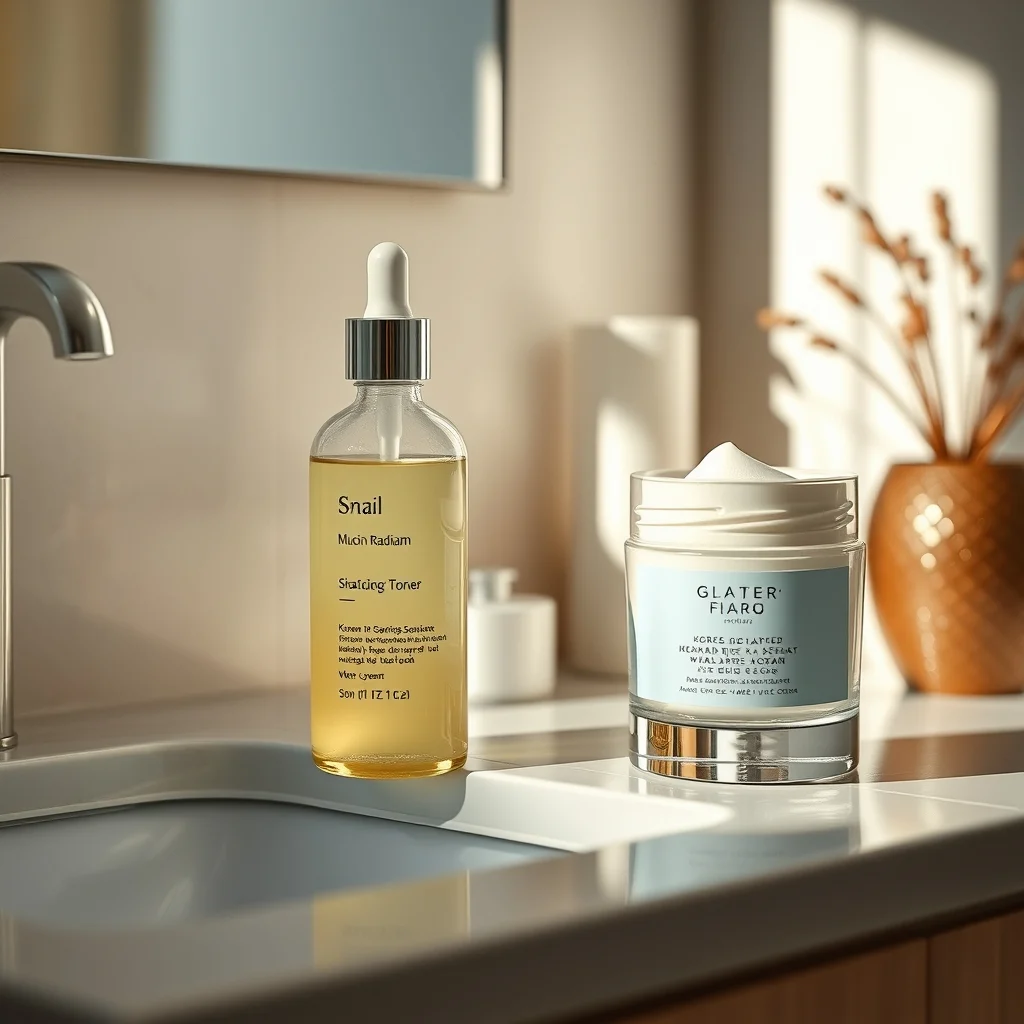
In the past decade, the global beauty industry has witnessed a seismic shift toward authentic Korean skincare, a movement rooted in centuries-old traditions and modern scientific innovation. Unlike Western beauty paradigms that often prioritize quick fixes, Korean skincare emphasizes a holistic, preventive approach designed to cultivate long-term skin health. This methodology, encapsulated in the K Glow Guide, has transcended borders, reshaping consumer expectations and industry standards. The phenomenon is not merely a trend but a systemic evolution, driven by a confluence of cultural heritage, technological advancements, and a growing demand for transparency in beauty formulations.
At the heart of this transformation lies a meticulous, multi-step routine that integrates natural ingredients with cutting-edge dermatological research. From the double cleansing method to the seven skin method, each technique is engineered to address specific skin concerns while maintaining balance and hydration. The rise of Korean skincare is also tied to its accessibility; products like snail mucin radiance serums and Korean rice water toners have become staples in routines worldwide, thanks to their efficacy and affordability. However, the movement’s rapid globalization has sparked debates about cultural appropriation, ingredient sourcing, and the sustainability of its supply chains.
The Historical Foundations of Korean Skincare: From Tradition to Global Dominance
The origins of Korean skincare trace back to the Goryeo Dynasty (918–1392 AD), where royal court practices emphasized natural remedies and preventive care. Historical records reveal the use of Jeju Island botanicals, such as green tea and volcanic clay, to treat skin ailments and enhance complexion. By the Joseon Dynasty (1392–1910), skincare had evolved into a sophisticated ritual, with women employing rice water and fermented ingredients to achieve chok chok skin—a term describing dewy, hydrated skin. These traditions laid the groundwork for modern K-beauty, which began gaining international traction in the early 2010s.
The global expansion of Korean skincare accelerated in 2011 when BB creams, originally developed in Germany but perfected in Korea, entered Western markets. By 2015, the K-beauty industry was valued at $13.1 billion, with exports surpassing $2.6 billion annually. This growth was fueled by social media, where influencers and dermatologists alike praised the efficacy of routines like the 10-step K beauty ritual. However, the movement’s commercialization has also led to criticisms of oversimplification, with some experts arguing that the rigid structure of the 10-step routine is more marketing than necessity.
- 918–1392 AD: Goryeo Dynasty introduces natural skincare remedies using local botanicals.
- 1392–1910: Joseon Dynasty refines skincare rituals, emphasizing fermentation and hydration.
- 2011: BB creams gain global popularity, marking the first major K-beauty crossover.
- 2015: K-beauty industry reaches $13.1 billion in market value, with exports exceeding $2.6 billion.
- 2020: Pandemic-driven skincare boom sees a 30% increase in K-beauty sales in the U.S. and Europe.
The Core Techniques: Decoding the K Glow Guide
The K Glow Guide is not a single product but a philosophy that integrates multiple techniques to achieve radiant, healthy skin. Central to this approach is the double cleansing method, which involves an oil-based cleanser to dissolve makeup and sunscreen, followed by a water-based cleanser to remove impurities. This two-step process ensures a thorough cleanse without stripping the skin of its natural oils, a common issue with Western foaming cleansers.
Another cornerstone is the seven skin method, which involves applying seven layers of hydrating toner to the skin. This technique, popularized by brands like COSRX and Laneige, leverages the principle of layered hydration to plump and prep the skin for subsequent products. Clinical studies have shown that this method can increase skin hydration by up to 200% within 30 minutes of application. However, dermatologists caution that over-layering can lead to irritation, particularly for those with sensitive or acne-prone skin.
Other key techniques include:
- Slugging K Beauty Style: A nighttime routine where a thin layer of petroleum jelly is applied over skincare products to lock in moisture. This method, derived from Korean dermatological practices, has gained traction in Western markets for its simplicity and effectiveness in combating dryness.
- Korean Ampoule Layering: The strategic application of concentrated serums (ampoules) to target specific concerns like hyperpigmentation or aging. Unlike Western serums, Korean ampoules are formulated with higher concentrations of active ingredients, such as ginseng anti-aging extracts or propolis glow serum.
- Fermented Skincare K Beauty: The use of fermented ingredients like galactomyces (a byproduct of sake fermentation) to enhance skin barrier function and brighten complexion. Fermentation increases the bioavailability of nutrients, making them more effective at lower concentrations.
Ingredient Innovation: The Science Behind the Glow
Korean skincare’s efficacy is largely attributed to its innovative use of ingredients, many of which have been scientifically validated for their benefits. One of the most iconic is snail mucin radiance, a secretion harvested from snails that contains hyaluronic acid, glycoproteins, and antimicrobial peptides. A 2015 study published in the Journal of Cosmetic Dermatology found that snail mucin improved skin hydration and reduced fine lines by 40% after eight weeks of use. Brands like Mizon and Benton have capitalized on this ingredient, offering serums and essences that deliver visible results without irritation.
Another standout ingredient is Centella Asiatica, a plant extract known for its soothing and wound-healing properties. Often referred to as tiger grass, Centella Asiatica is a staple in K-beauty products designed for sensitive or compromised skin. A 2017 study in the International Journal of Molecular Sciences confirmed its ability to accelerate collagen synthesis and reduce inflammation, making it a key component in products like Dr. Jart+’s Cicapair line.
Other notable ingredients include:
| Ingredient | Primary Benefit | Common Product Types |
|---|---|---|
| Korean Rice Water Toner | Brightens and tightens pores | Toners, essences |
| Jeju Island Botanicals | Antioxidant and anti-inflammatory | Mists, serums |
| Propolis Glow Serum | Repairs skin barrier, antibacterial | Serums, ampoules |
| Ginseng Anti-Aging | Stimulates collagen, reduces wrinkles | Creams, masks |
Market Dynamics and Consumer Behavior: The Global K-Beauty Boom
The global K-beauty market is projected to reach $21.8 billion by 2026, growing at a compound annual growth rate (CAGR) of 8.2%. This expansion is driven by several factors, including the rise of e-commerce, the influence of K-pop and K-dramas, and the increasing demand for clean, science-backed beauty products. In the U.S. alone, K-beauty sales surged by 30% in 2020, with brands like Innisfree and Sulwhasoo gaining cult followings. However, the market’s rapid growth has also led to challenges, such as counterfeit products and inconsistent regulatory standards.
Consumer behavior has shifted significantly, with buyers prioritizing transparency and efficacy over brand loyalty. A 2021 survey by Mintel found that 68% of K-beauty consumers research ingredients before purchasing, compared to 45% of general beauty buyers. This trend has forced brands to adopt more rigorous testing and labeling practices, with many now providing detailed ingredient lists and clinical study results on their websites.
Despite its success, the K-beauty industry faces criticism for its environmental impact. The popularity of K beauty sheet masking and single-use products has raised concerns about plastic waste. In response, brands like Amorepacific have launched sustainability initiatives, such as refillable packaging and biodegradable sheet masks. However, industry experts argue that more systemic changes are needed to address the sector’s carbon footprint.
Stakeholder Perspectives: Balancing Tradition, Innovation, and Ethics
The K-beauty movement has elicited diverse reactions from stakeholders, each with a vested interest in its trajectory. Dermatologists, for instance, have praised the industry’s emphasis on hydration and barrier repair but caution against overcomplicating routines. Dr. Joyce Park, a board-certified dermatologist and founder of Tea with MD, notes, “Korean skincare’s strength lies in its ingredient innovation, but consumers should tailor routines to their skin’s needs rather than adhering to rigid steps. The glass skin routine is aspirational, but not everyone requires 10 products to achieve healthy skin.”
Industry leaders, on the other hand, emphasize the cultural significance of K-beauty. Alicia Yoon, founder of Peach & Lily, states, “Korean skincare is deeply rooted in the philosophy of jeong—a sense of care and connection. This ethos is what sets it apart from Western beauty, which often focuses on correction rather than prevention.” Yoon’s perspective highlights the tension between preserving cultural authenticity and adapting to global markets, where consumer preferences vary widely.
Environmental advocates have raised concerns about the sustainability of K-beauty’s supply chains. Greenpeace Korea reported in 2022 that the beauty industry accounts for 12% of the country’s plastic waste, with sheet masks and mini-sized products contributing significantly. In response, brands like Innisfree have pledged to reduce plastic usage by 50% by 2025, though critics argue that these targets are insufficient given the industry’s growth.
Regulatory bodies are also grappling with the challenges posed by K-beauty’s global expansion. The U.S. Food and Drug Administration (FDA) and the European Union’s Cosmetics Regulation have differing standards for ingredients like snail mucin and propolis, leading to inconsistencies in product availability. Dr. Joshua Zeichner, Director of Cosmetic and Clinical Research at Mount Sinai Hospital, explains, “The lack of harmonized regulations creates confusion for consumers and challenges for brands. What’s considered safe and effective in Korea may not meet Western standards, and vice versa.”
Emerging Trends and Future Trajectories
As the K-beauty industry evolves, several trends are poised to shape its future. One of the most significant is the rise of customized skincare, where brands use AI and data analytics to create personalized routines. Companies like Atolla and Curology are leading this charge, offering bespoke serums and moisturizers tailored to individual skin profiles. This shift reflects a broader move toward precision beauty, where one-size-fits-all solutions are increasingly obsolete.
Another emerging trend is the integration of Korean hydrogel masks and water cream hydration technologies. Hydrogel masks, which are made from a gel-like material rather than paper, deliver active ingredients more effectively by adhering closely to the skin. Meanwhile, water creams—lightweight moisturizers with high water content—are gaining popularity for their ability to hydrate without clogging pores. These innovations align with the growing demand for lightweight, multifunctional products that suit urban lifestyles.
The industry is also witnessing a resurgence of interest in traditional ingredients, such as honey skin trend products and fermented skincare K beauty. Fermentation, in particular, is being explored for its potential to enhance the efficacy of active ingredients while reducing irritation. A 2023 study in the Journal of Cosmetic Science found that fermented ginseng extract increased collagen production by 35% compared to its non-fermented counterpart, underscoring the potential of this ancient technique in modern formulations.
Looking ahead, the K-beauty industry faces both opportunities and challenges. The global appetite for innovative, science-backed skincare shows no signs of waning, but brands must navigate regulatory hurdles, sustainability concerns, and the need for greater cultural sensitivity. As the market matures, the most successful players will likely be those that strike a balance between tradition and innovation, offering products that are both effective and ethically responsible. For consumers, the key lies in understanding the principles behind the K Glow Guide—hydration, prevention, and gentle care—and adapting them to their unique skin needs rather than following trends blindly.
You may also like
-
The Comprehensive Dynamics of the Glass Skin Routine: Korea’s Luminous Skincare Philosophy and Its Global Scientific Validation
-
The Layered Logic of Korean Skincare: A Systematic Breakdown of Customization, Hydration, and Skin-Specific Radiance Strategies
-
K-Beauty’s Gentle Barrier Protection: A Multidimensional Framework for Skin Resilience and Long-Term Health
-
The Strategic Evolution of the Seven Skin Method: Korea’s Layered Hydration Revolution and Its Scientific Foundations in Modern Skincare
-
Seoul’s K-Beauty Frontier: A Comprehensive Analysis of the Micro Spicule Tech Trend and Its Scientific, Cultural, and Market Implications