
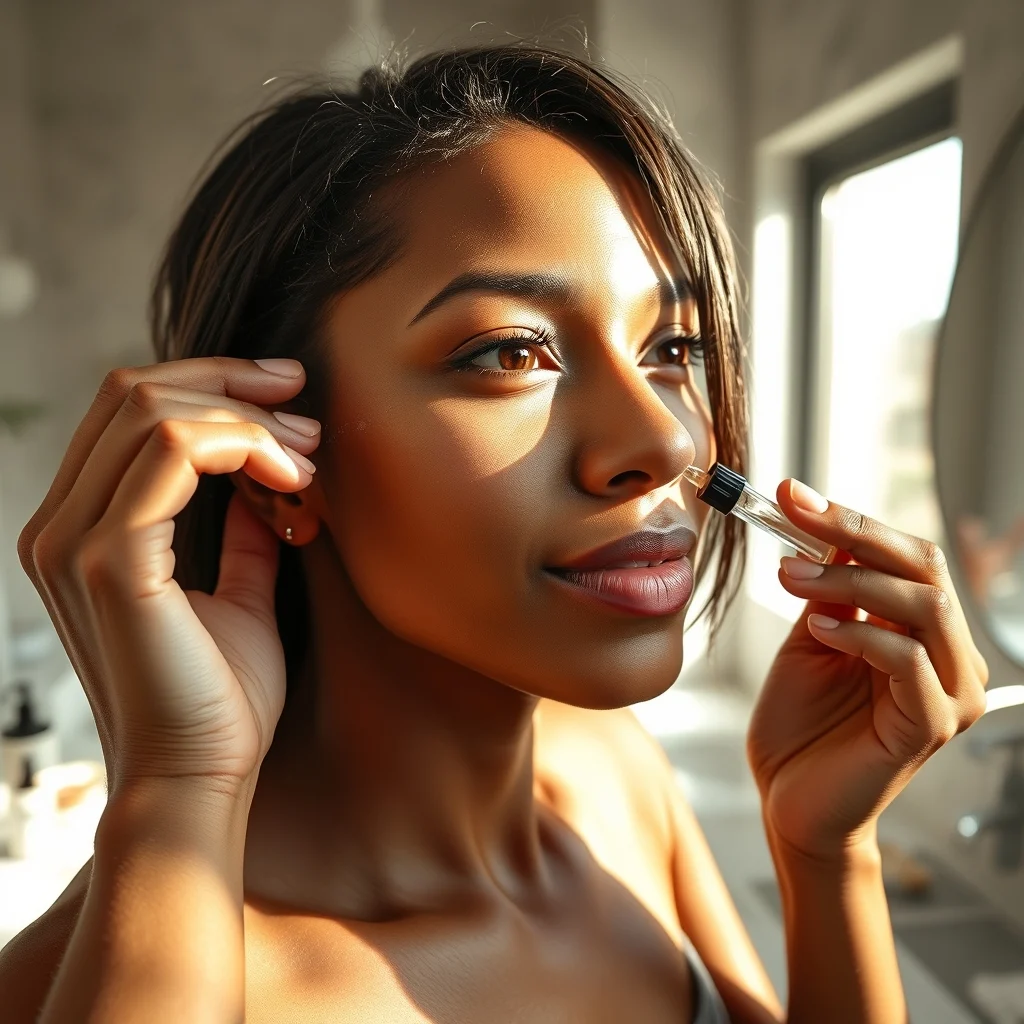
Imagine waking up to skin that looks so radiant, friends ask if you’ve had a professional treatment. The truth? You don’t need expensive procedures or a 10-step routine to achieve that coveted glow. The secret lies in rethinking your approach to beauty & skincare—focusing on consistency, science-backed ingredients, and habits that work with your skin, not against it. Whether you’re battling dryness, breakouts, or the first signs of aging, these small but powerful tweaks will transform your complexion from dull to dazzling.
The Foundation of Flawless Skin: Understanding Your Skin’s Needs
Your skin is as unique as your fingerprint, which is why generic advice often falls short. The first step to a glowing complexion is identifying your skin type—oily, dry, combination, sensitive, or mature—and its specific concerns, like hyperpigmentation or fine lines. A quick way to assess this is by observing how your skin behaves after cleansing. Does it feel tight and flaky? You likely have dry skin. Shiny within an hour? That’s a sign of oily skin.
Once you’ve pinpointed your skin type, tailor your routine to address its needs. For example, oily skin thrives with lightweight, non-comedogenic moisturizers, while dry skin craves richer, hydrating formulas. Don’t forget to factor in external stressors like pollution, UV exposure, and even stress levels, which can all impact your skin’s health. By treating your skin as an individual, you’ll see results that generic routines simply can’t deliver.
Why pH Balance Matters More Than You Think
Your skin’s pH level plays a crucial role in maintaining its protective barrier. When this balance is disrupted—by harsh cleansers, over-exfoliation, or even tap water—it can lead to irritation, breakouts, and premature aging. The ideal pH for skin is slightly acidic, around 4.5 to 5.5. Using pH-balanced cleansers and toners helps preserve this delicate equilibrium, keeping your skin resilient and glowing.
If you’ve ever experienced redness or sensitivity after trying a new product, pH imbalance could be the culprit. Opt for gentle, sulfate-free cleansers and avoid over-washing, which strips the skin of its natural oils. A simple litmus test (yes, like the ones from science class!) can help you check the pH of your products, ensuring they’re skin-friendly.
Science-Backed Ingredients That Deliver Real Results
Not all skincare ingredients are created equal. Some are backed by decades of research, while others are little more than marketing hype. To cut through the noise, focus on these powerhouse ingredients that dermatologists swear by:
- Hyaluronic Acid: A hydration hero that holds up to 1,000 times its weight in water, plumping the skin and reducing the appearance of fine lines.
- Vitamin C: A potent antioxidant that brightens dark spots, evens out skin tone, and protects against environmental damage.
- Retinol: The gold standard for anti-aging, retinol boosts cell turnover, smooths texture, and stimulates collagen production.
- Niacinamide: A multitasker that strengthens the skin barrier, reduces redness, and minimizes pores.
When incorporating these ingredients into your routine, start slow to avoid irritation. For example, use retinol just 1-2 times a week at first, gradually increasing frequency as your skin builds tolerance. Pairing it with a moisturizer can also help mitigate dryness or peeling. Remember, consistency is key—results take time, but they’re worth the wait.
The Role of Diet and Lifestyle in Your Skin’s Appearance
You’ve heard it before: you are what you eat. But when it comes to beauty & skincare, this adage couldn’t be truer. Foods rich in antioxidants, healthy fats, and vitamins can dramatically improve your skin’s texture and tone. Think colorful fruits and vegetables, fatty fish like salmon, and nuts and seeds. These foods combat inflammation, boost collagen production, and protect against free radical damage.
On the flip side, sugar, processed foods, and excessive alcohol can wreak havoc on your skin, leading to breakouts, dullness, and accelerated aging. Hydration is another non-negotiable—aim for at least 8 glasses of water a day to keep your skin plump and supple. And don’t underestimate the power of sleep. During deep sleep, your skin repairs itself, so skimping on shut-eye can leave you with dark circles and a lackluster complexion.
Building a Routine That Fits Your Lifestyle
A skincare routine shouldn’t feel like a chore. The best routines are the ones you can stick to, so focus on simplicity and effectiveness. Start with the basics: cleanse, moisturize, and protect. From there, add targeted treatments like serums or exfoliants based on your skin’s needs. For example, if you’re dealing with acne, a salicylic acid cleanser can work wonders. If fine lines are your concern, a retinol serum at night will be your best friend.
Don’t forget the often-overlooked step: sunscreen. UV rays are the number one cause of premature aging, so applying a broad-spectrum SPF 30 or higher every day—rain or shine—is non-negotiable. Look for lightweight, non-greasy formulas that won’t clog pores or leave a white cast. And if you’re short on time, opt for a moisturizer with built-in SPF to streamline your routine.
When to Splurge vs. Save on Skincare Products
With so many options on the market, it’s easy to feel overwhelmed. The good news? You don’t need to break the bank to get great results. Some products are worth the investment, while others can be more budget-friendly. For example, serums and treatments with active ingredients like retinol or vitamin C are worth splurging on, as they deliver concentrated benefits. On the other hand, cleansers and moisturizers can often be found at a lower price point without sacrificing quality.
Another tip: pay attention to packaging. Ingredients like vitamin C and retinol degrade when exposed to light and air, so opt for opaque, airtight containers to preserve their efficacy. And always patch-test new products to avoid adverse reactions. Your skin will thank you for the extra care.
Your journey to luminous skin doesn’t require drastic changes or a complete overhaul of your routine. By focusing on what truly matters—understanding your skin, using the right ingredients, and adopting healthy habits—you’ll see a transformation that goes beyond surface-level beauty. The key is to listen to your skin, give it what it needs, and enjoy the process. After all, glowing skin isn’t just about looking good; it’s about feeling confident in your own skin, every single day.
You may also like
-
The Comprehensive Dynamics of the Glass Skin Routine: Korea’s Luminous Skincare Philosophy and Its Global Scientific Validation
-
The Layered Logic of Korean Skincare: A Systematic Breakdown of Customization, Hydration, and Skin-Specific Radiance Strategies
-
K-Beauty’s Gentle Barrier Protection: A Multidimensional Framework for Skin Resilience and Long-Term Health
-
The Strategic Evolution of the Seven Skin Method: Korea’s Layered Hydration Revolution and Its Scientific Foundations in Modern Skincare
-
Seoul’s K-Beauty Frontier: A Comprehensive Analysis of the Micro Spicule Tech Trend and Its Scientific, Cultural, and Market Implications