
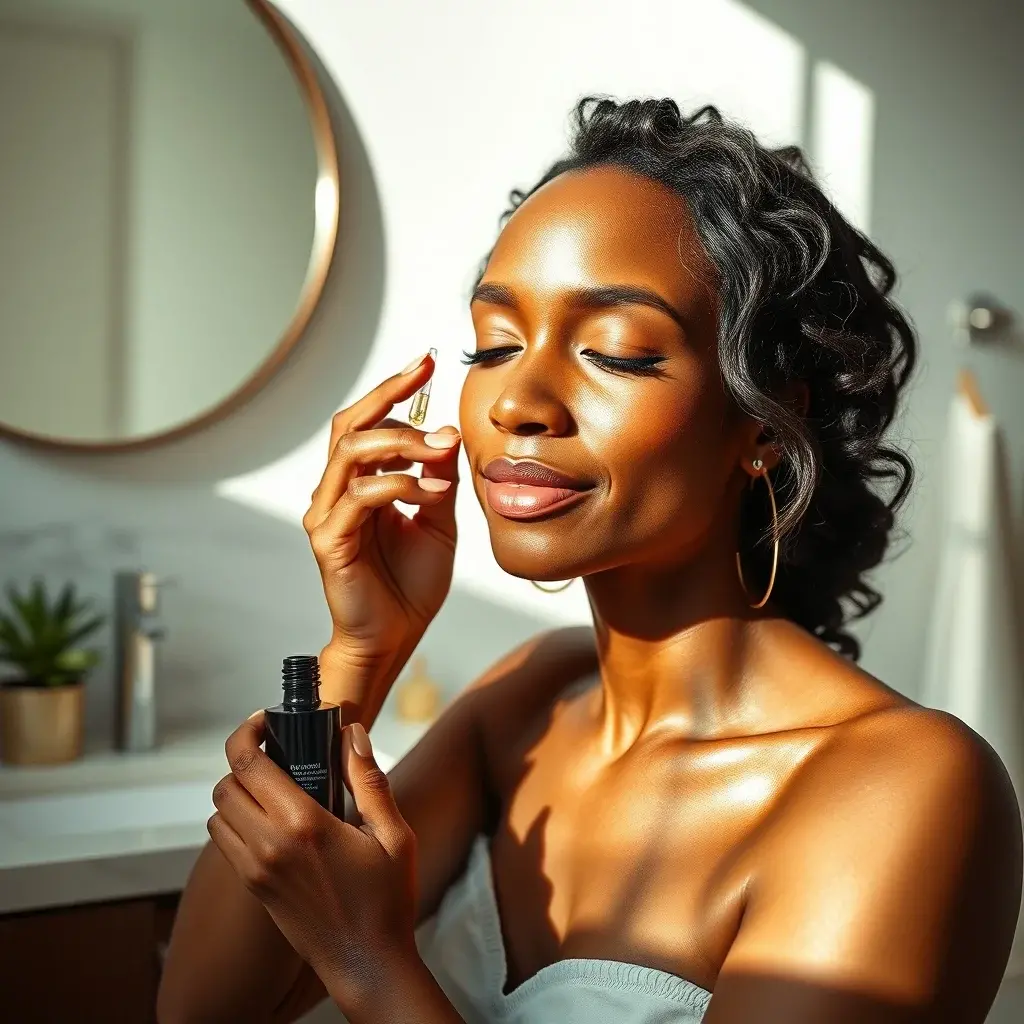
Imagine waking up every morning to a complexion so glowing, people ask if you’ve discovered the fountain of youth. The truth is, achieving radiant skin isn’t about magic—it’s about science, consistency, and the right beauty & skincare routine. Whether you’re battling dryness, oiliness, or the first signs of aging, the path to flawless skin starts with understanding your unique needs and embracing habits that nourish from within.
The Foundation of Flawless Skin: Understanding Your Skin Type
Before diving into products or treatments, it’s essential to identify your skin type. This step is the cornerstone of any effective skincare regimen, as it determines which ingredients and routines will work best for you. The five primary skin types—normal, dry, oily, combination, and sensitive—each require a tailored approach.
Normal skin is well-balanced, neither too oily nor too dry, and typically has minimal imperfections. Dry skin often feels tight, may flake, and is prone to fine lines. Oily skin, on the other hand, produces excess sebum, leading to shine and potential breakouts. Combination skin features both oily and dry areas, usually with an oily T-zone and drier cheeks. Sensitive skin reacts easily to products or environmental factors, often with redness or irritation.
To determine your skin type, cleanse your face and wait an hour without applying any products. Observe how your skin feels and looks. Does it shine? Feel tight? Or appear red? This simple test can guide you toward the right skincare solutions for your needs.
Building a Skincare Routine That Works for You
Once you’ve identified your skin type, it’s time to build a routine that addresses your specific concerns. A basic skincare routine consists of three key steps: cleansing, toning, and moisturizing. However, adding targeted treatments like serums or exfoliants can elevate your results.
Start with a gentle cleanser to remove dirt, oil, and impurities without stripping your skin’s natural moisture. Follow with a toner to balance your skin’s pH and prep it for the next steps. Moisturizing is non-negotiable, even for oily skin—opt for lightweight, non-comedogenic formulas if shine is a concern. For those with dry or mature skin, richer creams can provide the hydration needed to plump and smooth.
Serums are the powerhouse of any routine, packed with active ingredients like vitamin C, hyaluronic acid, or retinol. Vitamin C brightens and protects against environmental damage, while hyaluronic acid hydrates and plumps. Retinol, a derivative of vitamin A, is a gold standard for anti-aging, stimulating cell turnover and reducing fine lines. Incorporate these gradually to avoid irritation, especially if you have sensitive skin.
The Role of Exfoliation in Achieving Glowing Skin
Exfoliation is a game-changer in any beauty & skincare routine, but it’s often misunderstood. There are two types of exfoliants: physical and chemical. Physical exfoliants use granules or tools to slough off dead skin cells, while chemical exfoliants dissolve the bonds between cells using acids like AHAs (glycolic, lactic) or BHAs (salicylic).
For most skin types, chemical exfoliants are gentler and more effective. AHAs are ideal for dry or sun-damaged skin, while BHAs penetrate deeper, making them perfect for oily or acne-prone skin. Start with a low concentration and use 1-2 times a week to avoid over-exfoliation, which can lead to redness and sensitivity. Always follow with sunscreen, as exfoliation increases sun sensitivity.
Nourishing Your Skin from the Inside Out
While topical products play a crucial role, true radiance comes from within. Your diet, hydration, and lifestyle choices directly impact your skin’s health. Foods rich in antioxidants, like berries, leafy greens, and nuts, combat free radicals and promote a youthful glow. Omega-3 fatty acids, found in fish and flaxseeds, help maintain your skin’s lipid barrier, keeping it supple and hydrated.
Hydration is equally important—aim for at least eight glasses of water a day to flush out toxins and keep your skin plump. Herbal teas, like green tea, are packed with antioxidants and can be a soothing addition to your routine. Avoid excessive sugar and processed foods, as they can trigger inflammation and breakouts.
Sleep is another non-negotiable for healthy skin. During deep sleep, your body repairs and regenerates cells, which is why skincare experts often call it “beauty sleep.” Aim for 7-9 hours per night and consider using a silk pillowcase to reduce friction and prevent sleep lines. Stress management is also key—chronic stress increases cortisol levels, which can lead to breakouts and premature aging. Practices like meditation, yoga, or even a daily walk can make a noticeable difference.
Sun Protection: The Non-Negotiable Step in Skincare
No skincare routine is complete without sun protection. UV rays are the leading cause of premature aging, hyperpigmentation, and skin cancer. Even on cloudy days, up to 80% of UV rays penetrate the skin, making daily sunscreen a must. Opt for a broad-spectrum SPF of at least 30, and reapply every two hours if you’re outdoors.
Sunscreen isn’t just for sunny days—it’s a year-round necessity. Many people make the mistake of skipping it in winter or indoors, but UV rays can penetrate windows and reflect off snow. Look for lightweight, non-greasy formulas that won’t clog pores, and consider tinted options for added coverage. If you’re using active ingredients like retinol or AHAs, sunscreen becomes even more critical, as these can increase sun sensitivity.
Debunking Common Skincare Myths
The world of beauty & skincare is full of myths that can derail your progress. One of the most persistent is that oily skin doesn’t need moisturizer. In reality, skipping moisturizer can lead to dehydration, causing your skin to produce even more oil to compensate. Another myth is that natural ingredients are always better—while many are beneficial, some can be irritating or ineffective without proper formulation.
Another common misconception is that you don’t need sunscreen if your makeup has SPF. Most makeup products don’t provide enough coverage, and you’d need to apply an unrealistic amount to achieve the stated SPF. Always layer sunscreen underneath your makeup for full protection. Lastly, the idea that you can “shrink” your pores is a myth—pores can appear smaller with proper cleansing and exfoliation, but their size is largely genetic.
Embracing a Holistic Approach to Beauty & Skincare
Radiant skin isn’t just about the products you apply—it’s about how you care for your body and mind. A holistic approach to beauty & skincare means listening to your skin’s needs, nourishing it from within, and protecting it from external stressors. It’s about consistency, not perfection, and making choices that support long-term health rather than quick fixes.
Start by simplifying your routine. Focus on the basics—cleanse, moisturize, protect—and build from there. Pay attention to how your skin responds to products and adjust as needed. Remember, what works for someone else might not work for you, and that’s okay. Your skin is unique, and so should be your approach to caring for it.
Finally, don’t forget to celebrate small wins. Whether it’s waking up to clearer skin, noticing fewer breakouts, or simply feeling more confident in your complexion, every step forward is progress. With the right knowledge and habits, glowing, healthy skin isn’t just a dream—it’s an achievable reality, one day at a time.
You may also like
-
The Comprehensive Dynamics of the Glass Skin Routine: Korea’s Luminous Skincare Philosophy and Its Global Scientific Validation
-
The Layered Logic of Korean Skincare: A Systematic Breakdown of Customization, Hydration, and Skin-Specific Radiance Strategies
-
K-Beauty’s Gentle Barrier Protection: A Multidimensional Framework for Skin Resilience and Long-Term Health
-
The Strategic Evolution of the Seven Skin Method: Korea’s Layered Hydration Revolution and Its Scientific Foundations in Modern Skincare
-
Seoul’s K-Beauty Frontier: A Comprehensive Analysis of the Micro Spicule Tech Trend and Its Scientific, Cultural, and Market Implications