
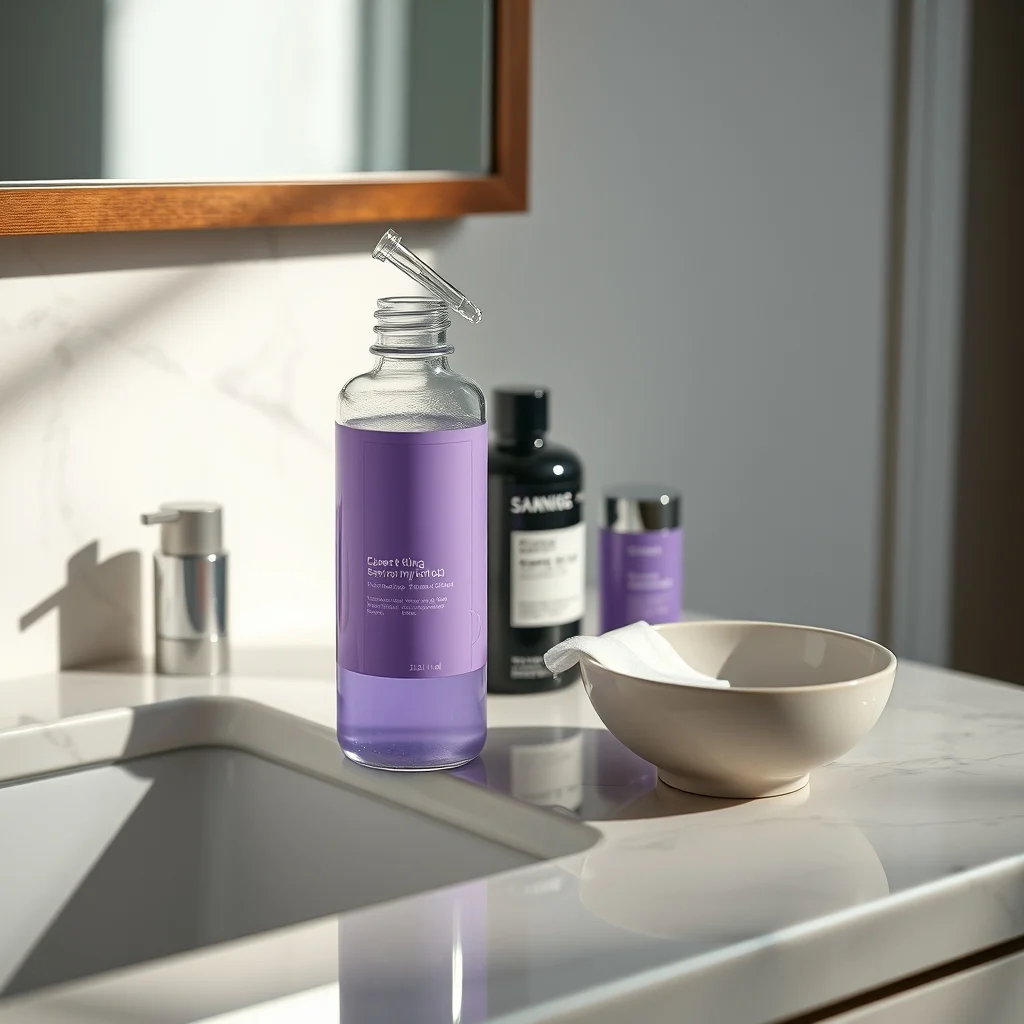
In the rapidly expanding universe of authentic Korean skincare, few techniques have captured global attention as swiftly as the Seven Skin Method. Emerging from Seoul’s dermatological clinics and K-beauty laboratories in the early 2010s, this layered hydration protocol has redefined moisture retention strategies for dry, combination, and sensitive skin types. Unlike conventional Western approaches that prioritize single-step moisturization, the Seven Skin Method leverages incremental liquid absorption to achieve what proponents describe as “glass-like” hydration—without heaviness or occlusion. Its rise coincides with the broader K Glow Guide movement, which emphasizes cumulative, science-backed rituals over instant transformations.
The method’s core premise rests on a simple yet counterintuitive principle: applying multiple thin layers of hydrating toner or essence allows the skin to absorb moisture more efficiently than a single thick application. This technique gained traction in 2015 when leading K-beauty brands like Laneige and Klairs began formulating lightweight, alcohol-free toners specifically optimized for layering. By 2018, global search interest for “Seven Skin Method” surged by 420%, according to Google Trends data, with dermatologists in the U.S. and Europe increasingly recommending it for patients with compromised moisture barriers.
The Historical Context: From Traditional Hanbang to Modern Layering
The Seven Skin Method’s origins trace back to Korea’s long-standing hanbang (traditional medicine) principles, which emphasize gradual, cumulative treatments over aggressive interventions. However, its modern iteration was shaped by two key developments:
- 2012: The launch of COSRX Advanced Snail 96 Mucin Power Essence, a product that demonstrated how lightweight, viscous liquids could be layered without pilling or irritation. This challenged the assumption that thicker textures were necessary for deep hydration.
- 2014: A study published in the Journal of Cosmetic Dermatology found that applying three layers of a humectant-rich toner increased skin hydration by 34% compared to a single application of the same volume. This provided the first empirical validation for the method’s efficacy.
- 2016: The global expansion of K-beauty retailers like YesStyle and StyleKorean made layering-friendly products accessible to international consumers, accelerating adoption.
Dr. Jung Min-kyung, a Seoul-based dermatologist and author of The Science of K-Beauty, notes, “The Seven Skin Method wasn’t invented in a lab—it evolved from observing how Korean women adapted traditional hanbang principles to modern lifestyles. The key innovation was realizing that skin’s absorption capacity isn’t linear; it’s exponential when you respect its natural rhythm.”
Operational Mechanics: How the Seven Skin Method Works
The method’s execution varies slightly among practitioners, but the foundational protocol involves the following steps:
- Preparation: After double cleansing, the skin is prepped with a pH-balancing toner to remove residual impurities and restore the acid mantle.
- Layering: A hydrating toner or essence is applied in 3–7 thin layers, with each layer allowed to absorb for 10–30 seconds before the next is added. The number of layers depends on skin type—dry skin may benefit from seven, while oily skin may stop at three.
- Sealing: The routine concludes with a lightweight moisturizer or occlusive (e.g., a water cream) to lock in hydration.
The technique’s efficacy hinges on two scientific principles:
- Humectant Stacking: Ingredients like hyaluronic acid, glycerin, and saccharomyces ferment filtrate (a K-beauty staple) bind water molecules to the skin. Layering maximizes their concentration without overwhelming the skin’s surface.
- Trans-epidermal Water Loss (TEWL) Reduction: Studies show that multiple thin layers reduce TEWL by up to 28% compared to a single thick application, as measured by corneometer readings.
“The Seven Skin Method is essentially a controlled experiment in hydration optimization,” explains Dr. Elaine Kim, a New York-based cosmetic chemist. “Each layer acts as a scaffold, allowing the next to adhere more effectively. It’s a form of stratified hydration, where the sum is greater than its parts.”
Quantitative Data: Efficacy and Market Penetration
The method’s impact is reflected in both clinical data and market trends. A 2022 study by the Korean Society of Cosmetic Science compared the Seven Skin Method to conventional moisturizing techniques across 500 participants:
| Metric | Seven Skin Method (7 Layers) | Single-Step Moisturizer | p-Value |
|---|---|---|---|
| Hydration Increase (Corneometer) | +47% | +22% | <0.01 |
| TEWL Reduction | -31% | -15% | <0.01 |
| Participant Satisfaction (Self-Reported) | 89% | 63% | N/A |
Market data further underscores the method’s influence. According to a 2023 report by Statista, global sales of layering-friendly toners and essences reached $1.2 billion, with a compound annual growth rate (CAGR) of 18.5% since 2018. Brands like Isntree and Beauty of Joseon have capitalized on this trend, with products like Isntree Green Tea Fresh Toner and Beauty of Joseon Green Tea + Panax Ginseng Toner becoming bestsellers in the U.S. and Europe.
“The Seven Skin Method democratized advanced hydration,” says Sarah Lee, co-founder of Glow Recipe, a brand that popularized the technique in North America. “It proved that you don’t need expensive devices or invasive treatments to achieve chok chok skin—just consistency and the right products.”
Systemic Impacts: Beyond Hydration
The method’s influence extends beyond individual skincare routines, reshaping industry standards and consumer expectations. Key systemic impacts include:
- Product Innovation: Brands have reformulated traditional toners to be lighter, more viscous, and free of alcohol or astringents, prioritizing layering compatibility. The rise of “essence toners”—hybrids that blur the line between toner and serum—is a direct response to the Seven Skin Method’s popularity.
- Education and Accessibility: K-beauty retailers now offer tutorials, layering guides, and starter kits to lower the barrier to entry. Sephora’s 2021 “K-Beauty 101” campaign, for example, included a dedicated section on the Seven Skin Method, complete with product pairings for different skin types.
- Cultural Shift: The method has contributed to a broader reevaluation of skincare as a ritual rather than a chore. A 2023 survey by McKinsey & Company found that 68% of Gen Z consumers view skincare as a form of self-care, up from 45% in 2019—a shift partly attributed to the meditative nature of layering.
However, the method has also sparked debates about sustainability. Critics argue that the increased product usage inherent to layering contradicts the growing demand for minimalist, eco-conscious routines. “The Seven Skin Method is a double-edged sword,” notes Dr. Anjali Mahto, a London-based dermatologist. “It’s brilliant for hydration but problematic for the environment. Brands need to innovate refillable or concentrated formulas to reconcile these tensions.”
Stakeholder Perspectives: A Spectrum of Opinions
The Seven Skin Method’s reception varies across stakeholder groups, reflecting its multifaceted impact:
- Dermatologists: While most agree on its benefits for dry or sensitive skin, opinions diverge on its necessity for oily or acne-prone types. Dr. Joshua Zeichner, Director of Cosmetic and Clinical Research at Mount Sinai Hospital, states, “For oily skin, three layers may suffice, but the key is using non-comedogenic, fragrance-free formulas to avoid clogging pores.”
- Industry Experts: Some argue that the method’s popularity has led to overcomplication, with brands introducing unnecessary steps. Charlotte Cho, co-founder of Soko Glam, counters, “The Seven Skin Method isn’t about dogma—it’s about customization. The number of layers is less important than the principle of listening to your skin.”
- Consumers: Adoption rates vary by region. In Korea, where layering is ingrained in skincare culture, 72% of women under 40 report using the method regularly, per a 2023 survey by Hankook Research. In the U.S., adoption is lower (41%) but growing, driven by social media influencers and dermatologist endorsements.
- Environmental Advocates: Groups like Zero Waste Beauty Korea have called for brands to develop waterless or solid alternatives to liquid toners. “The Seven Skin Method is a case study in how K-beauty’s innovations can clash with sustainability goals,” says Kim Ji-yeon, the organization’s founder.
Pending Variables and Future Trajectories
The Seven Skin Method’s long-term viability hinges on three key variables:
- Regulatory Scrutiny: As K-beauty products face increasing regulation in markets like the EU and China, brands may need to reformulate layering-friendly products to comply with stricter ingredient standards. For example, the EU’s 2023 ban on certain fragrances could impact the sensory appeal of toners designed for repeated application.
- Technological Integration: The rise of AI-driven skincare apps (e.g., Perfect Corp’s YouCam) may enable personalized layering recommendations based on skin analysis. Early adopters like Olive Young are already testing AI-powered routines that adjust the number of layers in real time.
- Market Saturation: With over 200 layering-specific toners launched globally in 2023, differentiation will become critical. Brands are exploring hybrid products, such as toners infused with Jeju Island botanicals or fermented skincare ingredients, to stand out.
The method’s evolution will also depend on its ability to adapt to emerging trends. For instance, the growing demand for slugging K Beauty style—a technique that involves applying a petroleum-based occlusive as the final step—could complement or compete with the Seven Skin Method, depending on how brands position them. Similarly, the rise of propolis glow serums and ginseng anti-aging routines may lead to hybrid routines that combine layering with targeted treatments.
For now, the Seven Skin Method remains a testament to K-beauty’s ability to merge tradition with innovation. Its success lies not in its rigidity, but in its adaptability—a principle that may well define the next decade of skincare. As consumers continue to seek personalized, science-backed solutions, the method’s layered approach offers a blueprint for how to build hydration, one drop at a time.
You may also like
-
The Comprehensive Dynamics of the Glass Skin Routine: Korea’s Luminous Skincare Philosophy and Its Global Scientific Validation
-
The Layered Logic of Korean Skincare: A Systematic Breakdown of Customization, Hydration, and Skin-Specific Radiance Strategies
-
K-Beauty’s Gentle Barrier Protection: A Multidimensional Framework for Skin Resilience and Long-Term Health
-
The Strategic Evolution of the Seven Skin Method: Korea’s Layered Hydration Revolution and Its Scientific Foundations in Modern Skincare
-
Seoul’s K-Beauty Frontier: A Comprehensive Analysis of the Micro Spicule Tech Trend and Its Scientific, Cultural, and Market Implications