
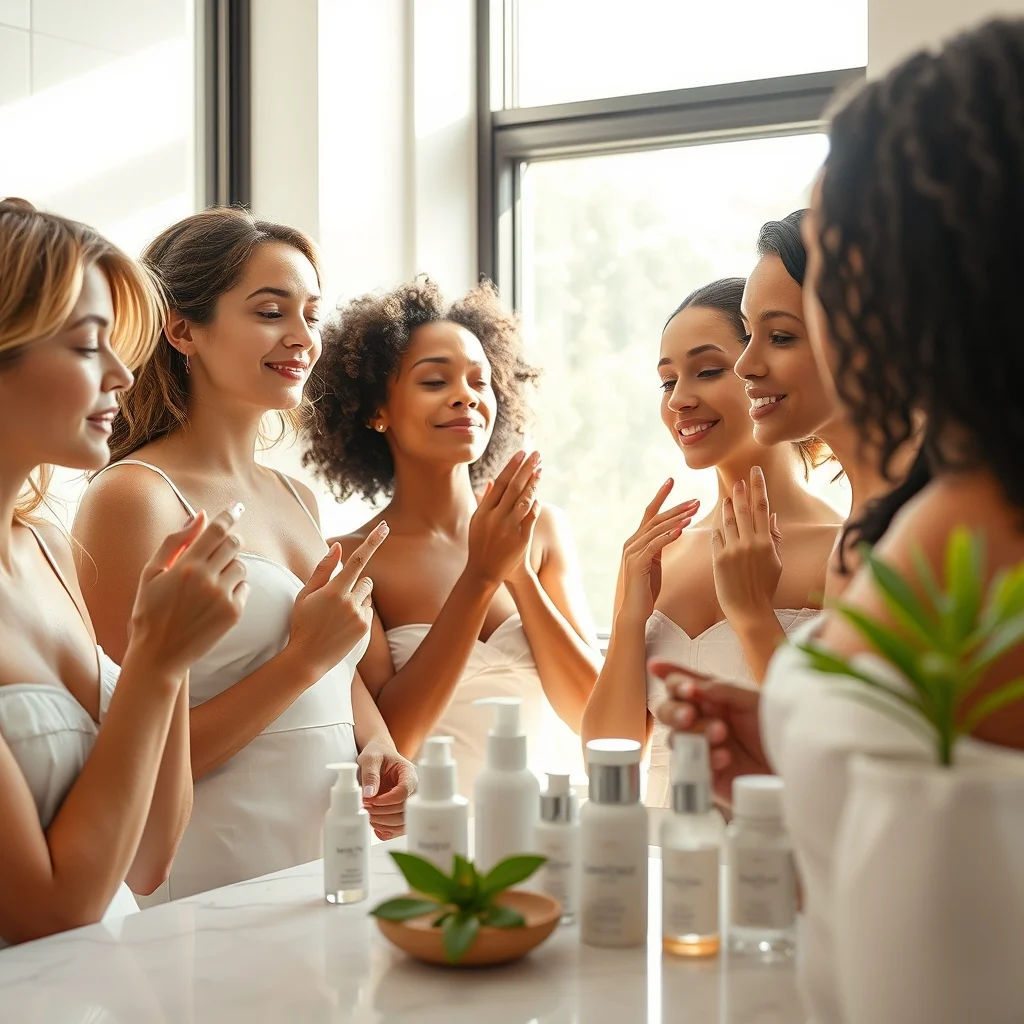
Imagine waking up to skin that looks so radiant, people ask if you’ve had a professional treatment. The secret isn’t in expensive products or complicated routines—it’s in understanding the fundamentals of beauty & skincare and tailoring them to your unique needs. Whether you’re a skincare novice or a seasoned enthusiast, small, consistent changes can transform your complexion and boost your confidence. Let’s dive into the essentials that will help you achieve that coveted glow without the guesswork.
The Foundation of Flawless Skin: Cleansing Done Right
Cleansing is the cornerstone of any effective skincare routine, yet it’s often overlooked or done incorrectly. A good cleanser removes dirt, oil, and impurities without stripping your skin of its natural moisture. Start by choosing a gentle, pH-balanced cleanser that suits your skin type—whether it’s oily, dry, combination, or sensitive.
For those with oily or acne-prone skin, a foaming cleanser with salicylic acid can help unclog pores and reduce breakouts. If your skin tends to be dry or sensitive, opt for a creamy, hydrating cleanser that soothes while it cleans. Double cleansing, a method popularized by K-beauty, involves using an oil-based cleanser first to dissolve makeup and sunscreen, followed by a water-based cleanser to deep-clean your pores. This two-step process ensures your skin is thoroughly clean without feeling tight or irritated.
Why Consistency Matters
Skipping your cleanser or using the wrong one can lead to clogged pores, dullness, and even premature aging. Make it a habit to cleanse your face twice daily—once in the morning to remove overnight oil buildup and once at night to wash away the day’s grime. Consistency is key to maintaining a clear, healthy complexion.
Hydration: The Unsung Hero of Beauty & Skincare
Hydration is more than just drinking water—it’s about locking moisture into your skin to keep it plump, supple, and glowing. Even if you have oily skin, hydration is essential. Dehydrated skin can overproduce oil to compensate, leading to breakouts and irritation. The solution? A well-formulated moisturizer that suits your skin’s needs.
For dry skin, look for moisturizers with ingredients like hyaluronic acid, glycerin, or ceramides, which attract and retain water in the skin. If you have oily skin, a lightweight, oil-free gel moisturizer can provide hydration without clogging pores. Don’t forget to apply your moisturizer to damp skin to seal in that extra moisture. And yes, even those with oily skin need a moisturizer—skipping it can make your skin produce even more oil.
The Power of Serums
Serums are concentrated treatments that target specific skin concerns, from hyperpigmentation to fine lines. Vitamin C serums, for example, brighten the skin and protect against environmental damage, while niacinamide serums help reduce redness and improve texture. Incorporating a serum into your routine can take your skincare to the next level by addressing issues that moisturizers alone can’t tackle.
Sun Protection: Your Skin’s Best Defense
If there’s one step you should never skip in your beauty & skincare routine, it’s sun protection. UV rays are responsible for up to 80% of visible aging, including wrinkles, dark spots, and loss of elasticity. Even on cloudy days, UV rays can penetrate your skin and cause damage, so daily sunscreen use is non-negotiable.
Choose a broad-spectrum sunscreen with an SPF of at least 30, and apply it as the last step in your morning routine. If you’re worried about sunscreen feeling greasy or leaving a white cast, opt for a lightweight, non-comedogenic formula that blends seamlessly into your skin. For added convenience, look for moisturizers or foundations with built-in SPF, but remember that these often don’t provide enough protection on their own—layering is key.
Reapplying for Maximum Protection
Sunscreen isn’t a one-and-done deal. To maintain its effectiveness, you need to reapply every two hours, especially if you’re spending time outdoors. If you’re wearing makeup, consider using a powder sunscreen or a setting spray with SPF for easy touch-ups throughout the day. This small habit can make a big difference in preventing sun damage and keeping your skin looking youthful.
Exfoliation: The Key to Smooth, Radiant Skin
Exfoliation removes dead skin cells that can clog pores and make your skin look dull. There are two main types of exfoliation: physical and chemical. Physical exfoliants, like scrubs or brushes, manually slough off dead skin, while chemical exfoliants, like AHAs (alpha hydroxy acids) and BHAs (beta hydroxy acids), dissolve dead skin cells without scrubbing.
For most skin types, chemical exfoliants are gentler and more effective. AHAs, such as glycolic acid, are great for dry or sun-damaged skin, while BHAs, like salicylic acid, are ideal for oily or acne-prone skin. Start by exfoliating once or twice a week, and gradually increase frequency if your skin tolerates it. Over-exfoliating can lead to irritation, so listen to your skin and adjust as needed.
Post-Exfoliation Care
After exfoliating, your skin is more vulnerable to damage, so it’s important to follow up with a hydrating serum or moisturizer. Avoid using other active ingredients, like retinoids or vitamin C, on the same day as exfoliation to prevent irritation. Instead, let your skin recover and reap the benefits of your exfoliation session.
Lifestyle Habits That Enhance Your Beauty & Skincare Routine
Your skincare routine doesn’t end with the products you apply—it’s also about the habits you cultivate. What you eat, how you sleep, and even how you manage stress can impact your skin’s health. A diet rich in antioxidants, healthy fats, and vitamins can support your skin from the inside out. Think colorful fruits and vegetables, nuts, seeds, and fatty fish like salmon.
Sleep is another critical factor. During deep sleep, your skin repairs itself, so aim for 7-9 hours of quality rest each night. If you struggle with dark circles or puffiness, try sleeping on your back with an extra pillow to elevate your head. Managing stress is equally important, as high cortisol levels can trigger breakouts and inflammation. Incorporate stress-reducing activities into your routine, like yoga, meditation, or even a relaxing skincare ritual.
The Role of Consistency and Patience
Great skin isn’t built overnight. It takes time, consistency, and patience to see the results of your beauty & skincare efforts. Stick to your routine for at least 4-6 weeks before expecting noticeable changes, and don’t be tempted to switch products too frequently. When you do introduce new products, do it one at a time to monitor how your skin reacts.
Your skin is as unique as you are, and what works for someone else might not work for you. Pay attention to how your skin responds to different products and adjust your routine accordingly. With the right approach, you’ll be well on your way to achieving a healthy, glowing complexion that turns heads for all the right reasons. Start small, stay consistent, and let your natural beauty shine through—because the best skincare routine is the one that works for you.
You may also like
-
The Comprehensive Dynamics of the Glass Skin Routine: Korea’s Luminous Skincare Philosophy and Its Global Scientific Validation
-
The Layered Logic of Korean Skincare: A Systematic Breakdown of Customization, Hydration, and Skin-Specific Radiance Strategies
-
K-Beauty’s Gentle Barrier Protection: A Multidimensional Framework for Skin Resilience and Long-Term Health
-
The Strategic Evolution of the Seven Skin Method: Korea’s Layered Hydration Revolution and Its Scientific Foundations in Modern Skincare
-
Seoul’s K-Beauty Frontier: A Comprehensive Analysis of the Micro Spicule Tech Trend and Its Scientific, Cultural, and Market Implications