
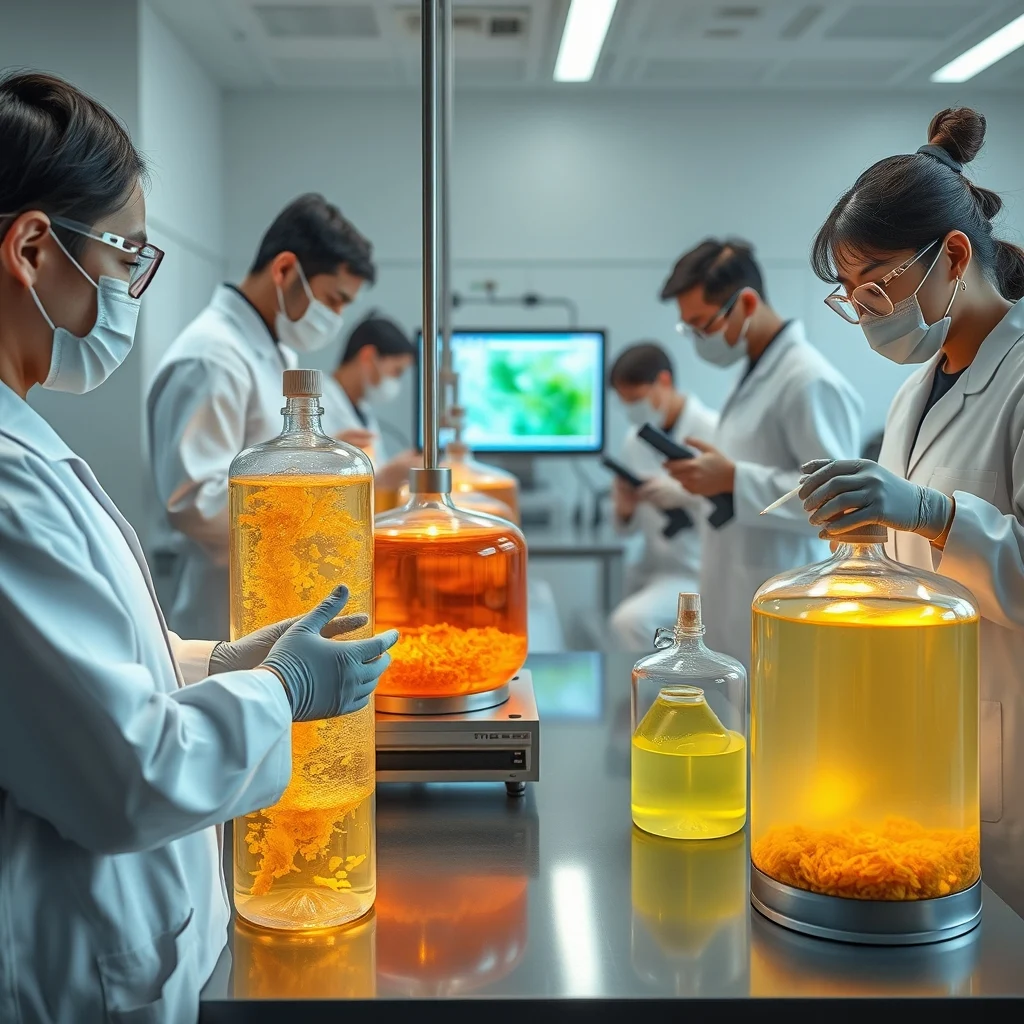
Seoul’s skincare industry is undergoing a quiet revolution, one rooted in the ancient practice of fermentation and propelled by cutting-edge biotechnology. Fermented botanical breakthroughs have emerged as a defining trend in Korean beauty, blending centuries-old traditions with modern scientific innovation. This movement is not confined to laboratory benches or niche apothecaries; it is reshaping product formulations, consumer expectations, and global market dynamics. As of 2024, fermented ingredients account for nearly 30% of new K-beauty product launches, with Seoul-based brands leading the charge in research, development, and commercialization. The trend is driven by a confluence of factors: rising demand for clean, efficacious skincare, advancements in microbial biotechnology, and a cultural reverence for fermentation as a means of enhancing potency and bioavailability.
The fermented botanical trend in Seoul is not a recent phenomenon but the culmination of decades of experimentation. Its roots trace back to the 1990s, when Korean scientists began exploring the skincare benefits of traditional fermented foods like kimchi and doenjang. By the early 2000s, brands such as Su:m37 and Sulwhasoo incorporated fermented ingredients into their formulations, leveraging the natural byproducts of fermentation—enzymes, peptides, and organic acids—to enhance skin barrier function and brightening effects. The trend gained momentum in the 2010s as global interest in K-beauty surged, with fermented galactomyces, rice, and ginseng becoming staples in serums, essences, and masks. Today, Seoul’s skincare laboratories are pushing the boundaries further, isolating specific microbial strains to optimize fermentation processes and create hyper-targeted active compounds.
The Science Behind Fermented Botanicals
Fermentation in skincare is not merely a marketing gimmick; it is a scientifically validated process that enhances the efficacy of botanical ingredients. During fermentation, microorganisms such as yeast and lactic acid bacteria break down complex molecules into smaller, more bioavailable compounds. For example, fermented rice extract yields higher concentrations of amino acids and vitamins compared to its unfermented counterpart, improving hydration and skin elasticity. A 2023 study published in the Journal of Cosmetic Dermatology found that fermented ginseng extract increased collagen production by 42% in vitro, compared to 18% for non-fermented ginseng. Similarly, fermented galactomyces, a byproduct of sake production, has been shown to reduce transepidermal water loss by 28% in clinical trials conducted by Amorepacific’s research institute.
The process begins with the selection of botanical raw materials, which are then inoculated with specific microbial strains. The mixture is incubated under controlled conditions—temperature, pH, and oxygen levels—to encourage optimal microbial activity. After fermentation, the liquid is filtered, purified, and stabilized to create a concentrated active ingredient. Seoul-based biotech firms like Biospectrum and Kolmar Korea have developed proprietary fermentation techniques, such as co-fermentation with multiple microbial strains, to amplify the benefits of individual botanicals. These innovations have led to the creation of next-generation ingredients like fermented tremella mushroom, which boasts hyaluronic acid-like hydration properties, and fermented green tea, which exhibits enhanced antioxidant activity.
Key Fermented Ingredients in Seoul’s Skincare Arsenal
- Galactomyces Ferment Filtrate: Derived from sake brewing, this ingredient is rich in vitamins, minerals, and enzymes. It is a staple in products like SK-II’s Facial Treatment Essence, where it is credited with improving skin texture and reducing pore size. A 2022 consumer survey by Statista found that 68% of Korean women aged 25-34 reported using galactomyces-based products at least once a week.
- Fermented Ginseng: Korean red ginseng undergoes a double-fermentation process to enhance its anti-aging properties. Brands like The Face Shop and Dr. Jart+ incorporate it into serums and ampoules, citing its ability to stimulate collagen synthesis and improve skin firmness.
- Fermented Rice: A traditional Korean beauty secret, fermented rice water is now a key ingredient in products like Missha’s Time Revolution First Treatment Essence. It is rich in niacinamide and peptides, which brighten skin and reduce hyperpigmentation.
- Fermented Green Tea: Green tea leaves are fermented with lactobacillus to increase their polyphenol content. This ingredient is used in products like Innisfree’s Green Tea Seed Serum for its antioxidant and anti-inflammatory benefits.
- Fermented Tremella Mushroom: Dubbed the “vegan hyaluronic acid,” this ingredient is gaining traction for its ability to hold up to 500 times its weight in water. Brands like Laneige and Cosrx are incorporating it into hydrating serums and masks.
Market Dynamics and Consumer Trends
The fermented botanical trend is not just a scientific curiosity; it is a multi-billion-dollar industry with profound implications for Seoul’s skincare market. According to a 2023 report by Mordor Intelligence, the global fermented skincare market is projected to grow at a compound annual growth rate (CAGR) of 8.7% from 2024 to 2030, with South Korea accounting for 35% of the market share. Seoul-based brands are capitalizing on this growth by expanding their fermented ingredient portfolios and targeting both domestic and international consumers.
Consumer demand for fermented botanicals is driven by several factors. First, there is a growing preference for “clean” beauty products that eschew synthetic chemicals in favor of natural, plant-based ingredients. Fermented botanicals align with this trend, as they are perceived as gentle yet effective. Second, consumers are increasingly educated about the science behind skincare, thanks to the proliferation of beauty influencers and dermatological content on platforms like YouTube and Instagram. A 2023 survey by McKinsey & Company found that 72% of Korean skincare consumers research ingredients before purchasing a product, with fermented botanicals ranking among the most sought-after.
Third, the rise of “skin flooding”—a trend focused on deep hydration and barrier repair—has further fueled demand for fermented ingredients. Products like Cosrx’s Advanced Snail 96 Mucin Power Essence and Laneige’s Water Sleeping Mask, which contain fermented components, have become cult favorites for their ability to deliver intense hydration without clogging pores. The trend has also given rise to hybrid products, such as fermented snail mucin serums, which combine the regenerative properties of snail secretion filtrate with the enhanced efficacy of fermentation.
Comparative Market Performance of Fermented vs. Non-Fermented Skincare Products (2023)
| Product Category | Fermented Products (Market Share) | Non-Fermented Products (Market Share) | Year-over-Year Growth (Fermented) |
|---|---|---|---|
| Essences | 42% | 58% | 12.5% |
| Serums | 35% | 65% | 9.8% |
| Masks | 28% | 72% | 7.3% |
| Moisturizers | 22% | 78% | 6.1% |
| Cleansers | 15% | 85% | 4.2% |
Stakeholder Perspectives and Industry Challenges
The fermented botanical trend has elicited a range of responses from stakeholders across the skincare ecosystem. For scientists and researchers, it represents an exciting frontier in biotechnology. Dr. Kim Soo-jin, a biochemist at the Korea Institute of Science and Technology (KIST), notes, “Fermentation allows us to unlock the full potential of botanical ingredients. By manipulating microbial strains and fermentation conditions, we can create active compounds that are more potent and stable than their non-fermented counterparts. The challenge lies in scaling these processes without compromising quality.”
For brands, fermented botanicals offer a competitive edge in an oversaturated market. Lee Ji-eun, head of product development at Amorepacific, explains, “Consumers are no longer satisfied with generic hydrating or brightening claims. They want products backed by science, and fermentation provides that credibility. It also aligns with our brand’s heritage, as many of our flagship products, like Sulwhasoo’s First Care Activating Serum, have relied on fermented ingredients for decades.” However, the trend also presents challenges, particularly in terms of cost and consistency. Fermentation is a time-intensive process, and maintaining uniform quality across batches can be difficult. This has led some brands to outsource production to specialized biotech firms, which can drive up costs.
Regulators, too, are grappling with the implications of fermented skincare. The Korean Ministry of Food and Drug Safety (MFDS) has yet to establish specific guidelines for fermented ingredients, classifying them under the broader category of “natural extracts.” This lack of regulation has raised concerns about transparency and safety. Dr. Park Min-ji, a dermatologist at Seoul National University Hospital, warns, “While fermented ingredients are generally safe, the lack of standardized testing protocols means that some products may contain impurities or inconsistent concentrations of active compounds. Consumers should look for brands that conduct third-party testing and provide detailed ingredient information.”
Consumer perspectives on fermented botanicals are equally nuanced. For many, these ingredients represent a return to traditional Korean beauty practices. Kim Hye-jin, a 32-year-old office worker in Gangnam, says, “I grew up hearing about the benefits of fermented foods for health, so it makes sense that they would be good for skin too. I’ve noticed a difference in my skin’s texture since I started using fermented ginseng serums.” However, others remain skeptical, particularly those with sensitive skin. A 2023 study by the Korean Dermatological Association found that 12% of participants experienced mild irritation from fermented skincare products, likely due to the presence of organic acids or residual microbial byproducts.
The Future of Fermented Botanicals in Seoul’s Skincare Industry
The fermented botanical trend shows no signs of slowing down, but its future trajectory will depend on several factors. One key variable is the pace of technological innovation. Seoul’s biotech firms are already exploring next-generation fermentation techniques, such as precision fermentation, which uses genetically engineered microbes to produce specific active compounds. This could lead to the development of “designer” fermented ingredients tailored to individual skin concerns, such as acne or hyperpigmentation. Dr. Choi Hyun-woo, a researcher at the Korea Advanced Institute of Science and Technology (KAIST), predicts, “Within the next five years, we could see fermented ingredients that are not only more effective but also more sustainable, as fermentation can reduce the need for synthetic preservatives and stabilizers.”
Another critical factor is regulatory clarity. The MFDS is expected to release updated guidelines for fermented skincare ingredients by late 2025, which could standardize testing protocols and labeling requirements. This would address current concerns about safety and transparency, potentially opening the door to wider adoption of fermented products in global markets. However, stricter regulations could also increase production costs, making fermented skincare less accessible to smaller brands.
Market expansion is a third variable shaping the future of fermented botanicals. While Seoul-based brands currently dominate the space, international competitors are beginning to take notice. French and Japanese skincare companies have launched their own fermented product lines, leveraging their expertise in biotechnology and luxury branding. This could intensify competition, particularly in high-value segments like anti-aging and medical-grade skincare. At the same time, emerging markets in Southeast Asia and the Middle East are showing growing interest in K-beauty, presenting new opportunities for Seoul’s fermented skincare brands to expand their reach.
The fermented botanical trend is also intersecting with other innovations in Seoul’s skincare industry, such as exosome therapy and custom clean beauty. Exosomes—nanoparticles derived from stem cells—are being combined with fermented ingredients to enhance their regenerative properties. Meanwhile, brands like Klairs and Round Lab are offering personalized skincare solutions that incorporate fermented actives based on individual skin analyses. These developments suggest that fermentation will remain a cornerstone of K-beauty, even as the industry evolves.
As Seoul’s skincare laboratories continue to refine fermentation techniques, the line between tradition and innovation blurs. The city’s beauty brands are not merely preserving ancient practices; they are reimagining them for a new era, one where science and heritage converge to create products that are as effective as they are culturally resonant. The fermented botanical breakthrough is more than a trend—it is a testament to Seoul’s ability to transform the past into the future of skincare.
You may also like
-
The Comprehensive Dynamics of the Glass Skin Routine: Korea’s Luminous Skincare Philosophy and Its Global Scientific Validation
-
The Layered Logic of Korean Skincare: A Systematic Breakdown of Customization, Hydration, and Skin-Specific Radiance Strategies
-
K-Beauty’s Gentle Barrier Protection: A Multidimensional Framework for Skin Resilience and Long-Term Health
-
The Strategic Evolution of the Seven Skin Method: Korea’s Layered Hydration Revolution and Its Scientific Foundations in Modern Skincare
-
Seoul’s K-Beauty Frontier: A Comprehensive Analysis of the Micro Spicule Tech Trend and Its Scientific, Cultural, and Market Implications