
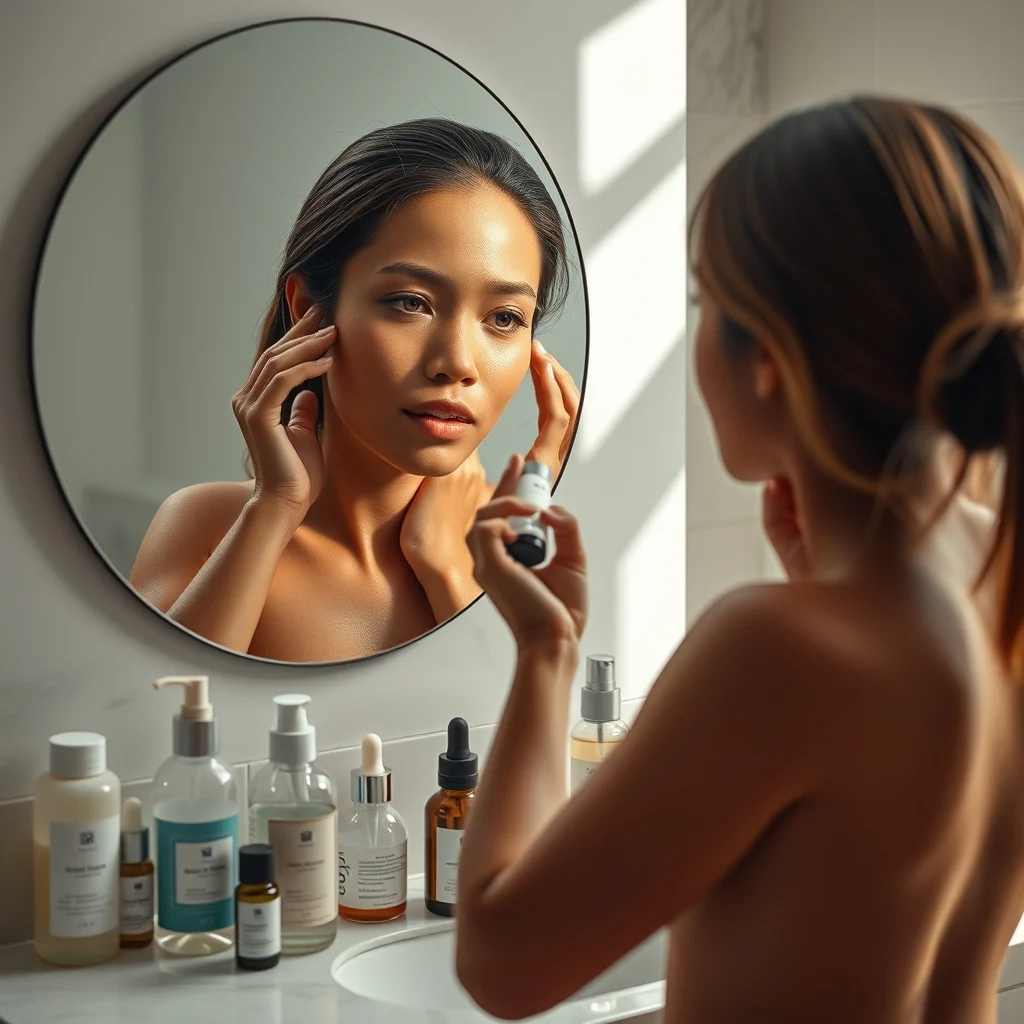
In the global skincare landscape, the Korean multi-step layering method—commonly referred to as the K-Glow routine—has emerged as a dominant paradigm for achieving radiant, glass-like skin. This approach, rooted in South Korea’s beauty industry, has gained traction worldwide since the early 2010s, driven by social media, K-pop culture, and clinical endorsements from dermatologists. The method’s core premise lies in its adaptability: a sequence of lightweight, hydrating, and nutrient-rich products applied in a specific order to address individual skin concerns. While the foundational steps remain consistent, the customization lies in product selection, layering techniques, and frequency of application, making it a dynamic system rather than a rigid regimen.
The Foundations of K-Beauty Layering: Scope, Stakeholders, and Historical Context
The K-Glow method is not a monolithic practice but a spectrum of routines tailored to skin types, environmental factors, and personal goals. Its origins trace back to South Korea’s post-war economic boom in the 1960s, when local brands began prioritizing hydration and gentle formulations over harsh, astringent products. By the 1990s, the introduction of essences, ampoules, and sheet masks revolutionized the market, shifting focus from correction to prevention. Today, the global K-beauty market is valued at over $13 billion, with layering techniques at its core, according to a 2023 report by Statista. Key stakeholders include dermatologists, cosmetic chemists, beauty influencers, and consumers, each contributing to the method’s evolution through clinical research, product innovation, and real-world testing.
Dr. Soo-Jin Park, a Seoul-based dermatologist and researcher at the Korean Dermatological Association, explains the method’s appeal: “The layering approach allows for targeted treatment without overwhelming the skin. Each product serves a distinct function—hydration, barrier repair, brightening—while the lightweight textures prevent congestion. It’s a system built on synergy, not redundancy.”
Chronological Evolution of K-Beauty Layering
- 1960s-1980s: The rise of hydration-focused skincare in South Korea, with brands like Amorepacific and LG Household & Health Care introducing toners and emulsions as staples.
- 1990s: The introduction of essences (e.g., SK-II’s Facial Treatment Essence) and the popularization of the 10-step routine in Korean beauty salons.
- 2000s: The global expansion of K-beauty, fueled by Hallyu (Korean Wave) culture, with brands like Laneige and Innisfree entering Western markets.
- 2010s-Present: The rise of customization, with brands offering skin diagnostic tools (e.g., Atolla, Proven) and dermatologists advocating for skin-type-specific layering. The COVID-19 pandemic accelerated demand for at-home skincare rituals, further cementing the method’s relevance.
Operational Mechanics: How K-Beauty Layering Works
The K-Glow routine typically follows a sequence designed to maximize product absorption and efficacy. The foundational steps include:
- Double Cleansing: An oil-based cleanser followed by a water-based cleanser to remove impurities without stripping the skin.
- Exfoliation (1-2x weekly): Chemical exfoliants (AHAs, BHAs) to promote cell turnover.
- Toning: Hydrating or pH-balancing toners to prepare the skin for subsequent layers.
- Essence: Lightweight, nutrient-rich formulas to boost hydration and repair.
- Serum/Ampoule: Concentrated treatments targeting specific concerns (e.g., hyperpigmentation, acne).
- Sheet Mask (1-3x weekly): Intensive hydration or treatment masks for a temporary glow boost.
- Eye Cream: Targeted hydration and brightening for the delicate under-eye area.
- Moisturizer: Emulsions, gels, or creams to lock in hydration.
- Sunscreen (AM only): Broad-spectrum SPF to protect against UV damage.
Customization occurs at every step. For example, oily skin types may opt for gel-based moisturizers and lightweight serums, while dry skin benefits from richer creams and hydrating toners. Dr. Eunice Kim, a cosmetic chemist at the Korea Institute of Science and Technology, notes, “The order of application is critical. Water-based products must precede oil-based ones to ensure proper absorption. Skipping steps or applying products out of sequence can compromise efficacy.”
Quantitative Data: Efficacy and Market Trends
A 2022 study published in the Journal of Cosmetic Dermatology analyzed the efficacy of multi-step K-beauty routines across 500 participants over 12 weeks. The results, summarized below, highlight the method’s impact on skin hydration, elasticity, and radiance:
| Skin Type | Hydration Increase (%) | Elasticity Improvement (%) | Radiance Score (1-10) |
|---|---|---|---|
| Dry | 45 | 30 | 8.2 |
| Oily | 35 | 25 | 7.8 |
| Combination | 40 | 28 | 8.0 |
| Acne-Prone | 30 | 20 | 7.5 |
The study also found that participants who followed a tailored routine saw a 20% greater improvement in skin texture compared to those using a generic regimen. Market data from Euromonitor International further underscores the method’s global appeal: K-beauty exports to the U.S. and Europe grew by 18% in 2023, with sheet masks and essences driving the demand.
Systemic Impacts: Beyond Aesthetics
The K-Glow method’s influence extends beyond skincare. It has reshaped beauty standards, particularly in East Asia, where glass skin—characterized by a dewy, poreless complexion—has become a cultural ideal. However, critics argue that the multi-step routine can be time-consuming and financially burdensome. A 2023 survey by Mintel revealed that 60% of K-beauty consumers in the U.S. spend over $100 monthly on skincare, with 25% citing cost as a barrier to consistency.
Environmental concerns have also emerged. The rise of single-use sheet masks and excessive packaging has drawn scrutiny from sustainability advocates. Dr. Hye-Jin Chung, an environmental scientist at Greenpeace Korea, states, “The beauty industry’s reliance on plastic and disposable products is unsustainable. Brands must innovate to reduce waste without compromising efficacy.”
Stakeholder Perspectives: Conflicting Priorities
The K-Glow method’s popularity has sparked debates among stakeholders. Dermatologists emphasize its benefits for skin health, while skeptics question its necessity. Beauty influencers often promote the method as a transformative ritual, but some consumers report minimal results. Below are key perspectives:
- Dermatologists: Advocate for customization and clinical validation. Dr. Park asserts, “Layering works because it addresses multiple skin concerns simultaneously. The key is education—consumers must understand their skin’s needs.”
- Consumers: Divided between enthusiasts and skeptics. A Reddit thread on r/SkincareAddiction revealed that 70% of users saw improvements in hydration, but 30% found the routine too complex.
- Brands: Focus on innovation and accessibility. Amorepacific’s CEO, Suh Kyung-Bae, stated in a 2023 earnings call, “Our goal is to make K-beauty inclusive. Customization tools and affordable product lines are our top priorities.”
- Regulators: Monitor safety and marketing claims. The Korean Food and Drug Administration (KFDA) has introduced stricter guidelines for product labeling, particularly for sensitive skin claims.
Despite these challenges, the K-Glow method remains a cornerstone of modern skincare. Its adaptability ensures relevance across demographics, while ongoing research continues to refine its efficacy. The next frontier lies in sustainability—brands are exploring refillable packaging, biodegradable sheet masks, and waterless formulations to align with environmental goals. As the industry evolves, the balance between customization, affordability, and eco-consciousness will determine the method’s longevity. The integration of AI-driven skin diagnostics and personalized product recommendations may further democratize access, making glass skin an achievable goal for all.
You may also like
-
The Comprehensive Dynamics of the Glass Skin Routine: Korea’s Luminous Skincare Philosophy and Its Global Scientific Validation
-
The Layered Logic of Korean Skincare: A Systematic Breakdown of Customization, Hydration, and Skin-Specific Radiance Strategies
-
K-Beauty’s Gentle Barrier Protection: A Multidimensional Framework for Skin Resilience and Long-Term Health
-
The Strategic Evolution of the Seven Skin Method: Korea’s Layered Hydration Revolution and Its Scientific Foundations in Modern Skincare
-
Seoul’s K-Beauty Frontier: A Comprehensive Analysis of the Micro Spicule Tech Trend and Its Scientific, Cultural, and Market Implications