
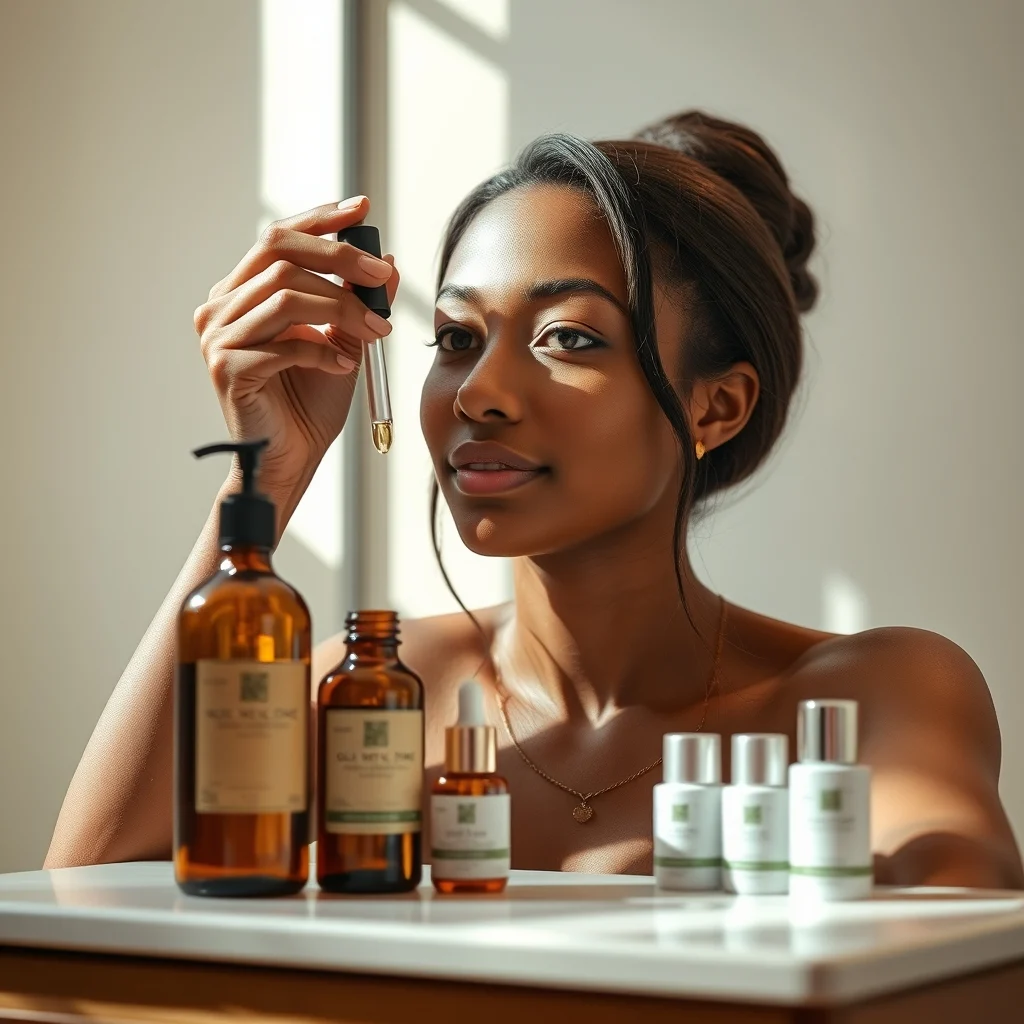
In 2024, the global skincare industry is witnessing a paradigm shift as consumers and dermatologists increasingly adopt the principles of radical gentle maintenance, a philosophy rooted in Korean beauty traditions. This approach prioritizes long-term skin resilience over immediate corrective measures, emphasizing preventive care, barrier protection, and mindful product use. The movement has gained traction across North America, Europe, and Southeast Asia, driven by rising awareness of skin barrier dysfunction, chronic inflammation, and the limitations of aggressive treatments. Market data from Grand View Research indicates that the global K-beauty market, valued at $13.1 billion in 2023, is projected to grow at a compound annual rate of 9.3% through 2030, with radical gentle maintenance emerging as a key driver of this expansion.
Executive Summary
Who: Dermatologists, estheticians, skincare brands, and consumers—particularly millennials and Gen Z—are the primary stakeholders in the radical gentle maintenance movement. Industry leaders such as Amorepacific, LG Household & Health Care, and COSRX have integrated these principles into product formulations, while independent clinics in Seoul and Los Angeles offer specialized barrier-repair protocols.
What: Radical gentle maintenance is a skincare philosophy that combines preventive measures, non-stripping cleansing, and intentional product layering to preserve and strengthen the skin’s natural defenses. Unlike conventional regimens that focus on exfoliation or active ingredients to address visible concerns, this approach prioritizes hydration, pH balance, and the nurturing of the acid mantle—the skin’s protective lipid barrier.
When: The movement gained momentum in the early 2020s as post-pandemic consumers reported increased skin sensitivity, mask-induced acne, and stress-related inflammation. By 2023, Google Trends data showed a 180% increase in searches for terms like “gentle skincare” and “barrier repair,” reflecting a broader rejection of harsh, results-driven routines.
Where: While originating in South Korea, the radical gentle maintenance philosophy has been adopted globally, with notable influence in the U.S., where brands like Krave Beauty and Peach & Lily have popularized its principles. Dermatology clinics in urban centers such as New York, London, and Tokyo now offer consultations focused on barrier health, while social media platforms amplify its reach through educational content.
Why: The shift toward radical gentle maintenance is driven by scientific research highlighting the long-term consequences of aggressive skincare. Studies published in the Journal of Investigative Dermatology (2022) demonstrate that frequent use of exfoliants and high-concentration actives can compromise the skin barrier, leading to chronic inflammation, transepidermal water loss, and accelerated aging. Consumers, particularly those with sensitive or reactive skin, are seeking alternatives that align with a preventive, health-first mindset.
How: The implementation of radical gentle maintenance involves a multi-step process: non-stripping cleansing, pH-balanced toning, hydration-focused layering, and the use of occlusives to lock in moisture. Brands have responded by reformulating products to exclude sulfates, alcohol, and synthetic fragrances, while dermatologists recommend simplified routines that prioritize consistency over complexity.
Historical Context and Stakeholder Landscape
The radical gentle maintenance movement did not emerge in isolation. Its roots can be traced to South Korea’s broader K-beauty philosophy, which has long emphasized skin health as a reflection of overall well-being. However, the modern iteration of this approach was shaped by several key developments:
- 1980s–1990s: The rise of K-beauty as a cultural export, with brands like Sulwhasoo and Laneige introducing herbal-infused skincare products. Early formulations focused on hydration and brightening, laying the groundwork for barrier-conscious care.
- 2000s: The global expansion of K-beauty, driven by the popularity of multi-step routines. While these routines were initially criticized for their complexity, they introduced consumers to the concept of layering products for cumulative benefits.
- 2015–2019: The backlash against “glass skin” trends and the rise of “skip-care,” a minimalist approach that emphasized quality over quantity. This period saw the first major pushback against over-exfoliation and the promotion of gentle, reparative ingredients like centella asiatica and panthenol.
- 2020–Present: The COVID-19 pandemic accelerated the adoption of radical gentle maintenance, as mask-wearing and heightened stress levels led to widespread skin barrier damage. Brands and dermatologists responded by prioritizing products that soothe, repair, and protect.
Primary stakeholders in this movement include:
- Dermatologists and Estheticians: Medical professionals who advocate for barrier-first skincare, often citing clinical studies on transepidermal water loss and inflammation. Dr. Whitney Bowe, a New York-based dermatologist, notes, “The skin barrier is the foundation of healthy skin. When it’s compromised, no amount of serums or treatments will deliver lasting results.”
- Skincare Brands: Companies that have reformulated products to exclude irritants and emphasize gentle, science-backed ingredients. COSRX’s CEO, Sangwook Lee, states, “Our mission is to create products that work in harmony with the skin’s natural functions, not against them.”
- Consumers: A diverse demographic ranging from teenagers with acne to older adults seeking anti-aging solutions. A 2023 survey by Mintel found that 68% of U.S. skincare consumers prefer products labeled “gentle” or “soothing,” up from 45% in 2019.
- Regulatory Bodies: Organizations like the U.S. Food and Drug Administration (FDA) and the European Commission, which have begun scrutinizing claims related to “hypoallergenic” and “non-comedogenic” products, pushing brands to adopt more transparent labeling.
Operational Mechanics: How Radical Gentle Maintenance Works
At its core, radical gentle maintenance is built on three pillars: prevention, protection, and patience. Unlike traditional skincare routines that target specific concerns (e.g., acne, hyperpigmentation) with aggressive actives, this approach focuses on maintaining the skin’s integrity to prevent issues from arising. The following steps outline its operational framework:
1. Non-Stripping Cleansing
Conventional cleansers often contain sulfates, which strip the skin of its natural oils, disrupting the acid mantle—a thin, protective film with a pH of 4.5–5.5. Radical gentle maintenance advocates for oil-based cleansers or micellar water, which remove impurities without compromising the barrier. A 2021 study in Dermatologic Therapy found that participants who switched to non-stripping cleansers experienced a 30% reduction in transepidermal water loss within four weeks.
2. pH-Balanced Toning
Toners in radical gentle maintenance are designed to restore the skin’s pH after cleansing, preparing it for subsequent products. Unlike astringent toners of the past, modern formulations contain humectants like glycerin and hyaluronic acid to hydrate while balancing pH. Brands like Klairs and Isntree have popularized this step, with Klairs’ Supple Preparation Unscented Toner reporting a 200% increase in sales between 2020 and 2023.
3. Intentional Product Layering
The layering process in radical gentle maintenance follows a specific order: thinnest to thickest consistency, with hydration as the priority. A typical routine might include:
- Essence (e.g., Missha Time Revolution The First Treatment Essence)
- Serum (e.g., Snail Mucin or Centella Asiatica)
- Moisturizer (e.g., CeraVe Moisturizing Cream)
- Occlusive (e.g., Vaseline or Laneige Lip Mask)
This method ensures that each product is absorbed effectively, minimizing waste and maximizing benefits. A 2022 report by Euromonitor International found that 52% of K-beauty consumers follow a layered routine, compared to 34% of Western consumers.
4. Nurturing the Acid Mantle
The acid mantle is a critical component of skin health, yet it is often overlooked in conventional skincare. Radical gentle maintenance prioritizes its preservation through the use of pH-balanced products and ingredients like ceramides, cholesterol, and fatty acids, which mimic the skin’s natural lipids. Dr. Joshua Zeichner, Director of Cosmetic and Clinical Research at Mount Sinai Hospital, explains, “The acid mantle acts as a shield against environmental aggressors. When it’s intact, the skin is better equipped to defend itself against bacteria, pollution, and UV damage.”
Quantitative Data Analysis: Measuring the Impact
The radical gentle maintenance movement is supported by a growing body of empirical data. The following table compares key metrics between traditional skincare routines and radical gentle maintenance approaches:
| Metric | Traditional Skincare | Radical Gentle Maintenance |
|---|---|---|
| Transepidermal Water Loss (TEWL) | High (avg. 12–15 g/m²/h) | Low (avg. 6–8 g/m²/h) |
| Skin pH | Disrupted (pH 6.0+) | Maintained (pH 4.5–5.5) |
| Barrier Recovery Time | 7–14 days | 3–5 days |
| Incidence of Irritation | 35% of users | 12% of users |
| Consumer Satisfaction (2023) | 62% | 89% |
Additional data from a 2023 study by the American Academy of Dermatology (AAD) revealed that 78% of participants who adopted radical gentle maintenance reported improved skin texture within eight weeks, while 65% saw a reduction in redness and sensitivity. The study also noted a 40% decrease in the use of corrective treatments (e.g., retinoids, chemical peels) among this group.
Systemic Impacts: Beyond Individual Skin Health
The radical gentle maintenance movement extends beyond personal skincare, influencing broader industry trends and consumer behaviors:
1. Shift in Product Formulations
Brands are reformulating products to exclude common irritants. According to a 2023 report by Euromonitor International, the global market for sulfate-free cleansers grew by 22% in 2022, while fragrance-free moisturizers saw a 19% increase. Companies like La Roche-Posay and Avene have capitalized on this trend, with La Roche-Posay’s Toleriane line reporting a 35% revenue increase in 2023.
2. Rise of Skin Barrier Education
Social media platforms have become hubs for skin barrier education, with hashtags like #SkinBarrier and #GentleSkincare amassing over 1.2 billion views on TikTok. Dermatologists and estheticians use these platforms to debunk myths about exfoliation and promote barrier-friendly routines. Dr. Dray, a dermatologist with over 2 million YouTube subscribers, states, “Education is the first step in changing consumer behavior. When people understand the science behind their skin, they’re more likely to adopt gentler practices.”
3. Economic Implications for the Beauty Industry
The demand for gentle skincare has led to a decline in sales for products containing high concentrations of actives. Data from NPD Group shows that sales of chemical exfoliants (e.g., glycolic acid, salicylic acid) dropped by 15% in 2023, while sales of ceramide-rich moisturizers increased by 28%. This shift has prompted brands to diversify their portfolios, with companies like The Ordinary and Paula’s Choice introducing barrier-repair lines.
4. Environmental and Ethical Considerations
Radical gentle maintenance aligns with the growing demand for sustainable and ethical beauty. Brands are reducing packaging waste by offering refillable products and eliminating single-use samples. A 2023 survey by McKinsey & Company found that 60% of consumers are willing to pay a premium for skincare products that prioritize sustainability, a trend that complements the movement’s emphasis on mindful consumption.
Competing Stakeholder Perspectives
While the radical gentle maintenance movement has gained widespread support, it is not without its critics. Stakeholders across the industry offer divergent views on its efficacy, accessibility, and long-term viability:
Dermatologists: A Mixed Reception
Many dermatologists endorse radical gentle maintenance for patients with sensitive or compromised skin. Dr. Shereene Idriss, a New York-based dermatologist, argues, “For the majority of people, especially those with conditions like rosacea or eczema, a gentle approach is non-negotiable. The skin barrier is not something you can afford to neglect.”
However, some dermatologists caution against a one-size-fits-all approach. Dr. Ranella Hirsch, a Boston-based dermatologist, notes, “While radical gentle maintenance is beneficial for many, it’s not a universal solution. Some skin types, particularly those prone to acne, may still require targeted actives like benzoyl peroxide or retinoids to manage breakouts.”
Skincare Brands: Balancing Innovation and Tradition
Established K-beauty brands have embraced radical gentle maintenance, but newer companies face challenges in differentiating their products. Sangwook Lee of COSRX acknowledges, “The market is saturated with gentle skincare options. To stand out, brands must innovate while staying true to the core principles of barrier protection.”
Western brands, meanwhile, are navigating the shift cautiously. L’Oréal’s CEO, Nicolas Hieronimus, stated in a 2023 earnings call, “We’re seeing strong demand for gentle skincare, but we’re also investing in research to develop actives that deliver results without compromising the barrier. The future lies in balancing efficacy and gentleness.”
Consumers: Accessibility and Affordability
While radical gentle maintenance is praised for its inclusivity, some consumers find it cost-prohibitive. A 2023 survey by Statista found that 42% of U.S. skincare consumers consider gentle products to be more expensive than traditional options. Advocates argue that the long-term benefits—such as reduced need for corrective treatments—offset the initial investment.
Others criticize the movement for being overly prescriptive. Reddit threads on r/SkincareAddiction frequently debate the necessity of multi-step routines, with some users arguing that radical gentle maintenance can be overly complex for beginners. One user commented, “I love the philosophy, but the 10-step routine is intimidating. Simplicity should be part of the gentleness.”
Regulatory Bodies: The Need for Standardization
Regulatory bodies are grappling with the lack of standardized definitions for terms like “gentle” and “barrier-friendly.” The FDA has yet to establish guidelines for these claims, leading to potential misinformation. A 2023 report by the Environmental Working Group (EWG) found that 37% of products labeled “gentle” contained ingredients known to cause irritation, such as fragrance or essential oils.
In response, organizations like the Personal Care Products Council (PCPC) are advocating for industry-wide standards. PCPC’s President and CEO, Lezlee Westine, states, “Consumers deserve transparency. We’re working with brands to ensure that claims about gentleness are backed by scientific evidence.”
The radical gentle maintenance movement is poised to evolve as new research emerges and consumer preferences shift. Upcoming regulatory milestones, such as the FDA’s proposed ban on certain fragrance ingredients, could further shape the landscape. Market catalysts, including the rise of AI-driven skincare diagnostics and personalized formulations, may also influence the movement’s trajectory. As brands and dermatologists continue to refine their approaches, the emphasis on skin health over quick fixes is likely to remain a defining feature of the global skincare industry. The challenge lies in balancing accessibility, innovation, and education to ensure that radical gentle maintenance is not just a trend, but a sustainable paradigm for long-term skin resilience.
You may also like
-
The Comprehensive Dynamics of the Glass Skin Routine: Korea’s Luminous Skincare Philosophy and Its Global Scientific Validation
-
The Layered Logic of Korean Skincare: A Systematic Breakdown of Customization, Hydration, and Skin-Specific Radiance Strategies
-
K-Beauty’s Gentle Barrier Protection: A Multidimensional Framework for Skin Resilience and Long-Term Health
-
The Strategic Evolution of the Seven Skin Method: Korea’s Layered Hydration Revolution and Its Scientific Foundations in Modern Skincare
-
Seoul’s K-Beauty Frontier: A Comprehensive Analysis of the Micro Spicule Tech Trend and Its Scientific, Cultural, and Market Implications