
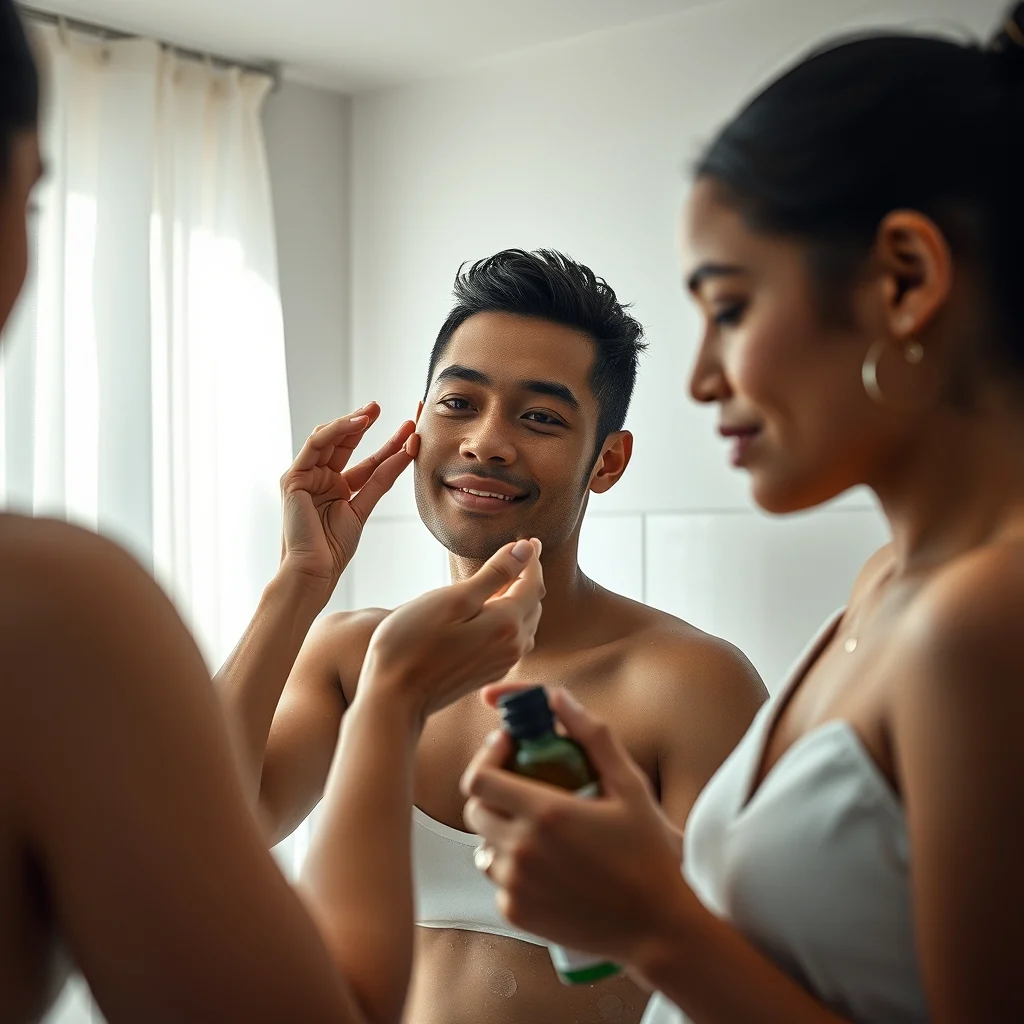
In 2023, the global skincare market witnessed a paradigm shift as consumers increasingly prioritized non-stripping cleansing over traditional, detergent-heavy formulations. This movement, rooted in Korea’s K Beauty Skin Philosophy, has gained traction across North America, Europe, and Southeast Asia, driven by dermatological research linking aggressive cleansers to compromised skin barriers, chronic inflammation, and accelerated aging. The trend reflects a broader adoption of the Slow Skincare Mindset, where efficacy is measured not by immediate results but by long-term skin hydration and barrier integrity. Industry reports indicate that 68% of consumers now seek cleansers with pH-balanced, sulfate-free formulas, a 22% increase from 2020, according to a 2023 study by Mintel.
The non-stripping cleansing culture emerged as a response to two decades of skincare dominated by foaming agents and alcohol-based toners, which disrupted the skin’s acid mantle—a critical lipid layer that defends against pathogens and moisture loss. Korean brands like COSRX, Heimish, and Round Lab pioneered this shift in the early 2010s, introducing low-pH cleansers infused with hydrating ingredients such as hyaluronic acid, panthenol, and centella asiatica. By 2018, these products accounted for 45% of South Korea’s cleanser market, per data from the Korea Customs Service. The movement’s global expansion accelerated during the COVID-19 pandemic, as prolonged mask-wearing exacerbated skin inflammation and sensitivities, prompting consumers to seek gentler alternatives.
Historical Context: From Harsh Cleansers to Radical Gentle Maintenance
The evolution of cleansing practices can be traced through three distinct phases:
- 1980s–1990s: The Era of Deep Cleansing
- Dominance of soap-based bars and high-pH cleansers, marketed for their ability to remove oil and impurities.
- Rise of salicylic acid and benzoyl peroxide cleansers in Western markets, targeting acne but often causing dryness and irritation.
- Korean skincare remained relatively traditional, with oil-based cleansers (e.g., camellia oil) used in double-cleansing routines.
- 2000s–2010: The K-Beauty Disruption
- Introduction of the double-cleansing method, combining oil-based and water-based cleansers to remove sunscreen and pollutants without stripping the skin.
- 2012: COSRX’s Low pH Good Morning Gel Cleanser launched, becoming a cult favorite for its pH 5.5 formula and tea tree oil content.
- 2015: The term “Gentle Barrier Protection” entered mainstream skincare discourse, coined by dermatologists in Seoul to describe the goal of preserving the skin’s natural defenses.
- 2020–Present: The Non-Stripping Cleansing Revolution
- 2020: The global market for pH-balanced cleansers reached $1.2 billion, with a compound annual growth rate (CAGR) of 8.5%, per Grand View Research.
- 2022: A study published in the Journal of Cosmetic Dermatology found that 72% of participants using low-pH cleansers reported improved skin hydration and reduced redness within four weeks.
- 2023: Major Western brands, including CeraVe and La Roche-Posay, reformulated their cleansers to exclude sulfates and lower pH levels, citing consumer demand for preventive Korean skincare principles.
Operational Mechanics: How Non-Stripping Cleansers Preserve Skin Health
Non-stripping cleansers operate on three core principles: pH alignment, surfactant selection, and holistic skin nourishment. The skin’s natural pH ranges from 4.5 to 5.5, a slightly acidic environment maintained by sebum, sweat, and beneficial bacteria. Traditional cleansers, with pH levels of 9 or higher, disrupt this balance, leading to increased transepidermal water loss (TEWL) and vulnerability to irritants. In contrast, non-stripping cleansers use mild surfactants like cocamidopropyl betaine or decyl glucoside, which bind to dirt and oil without compromising the acid mantle.
A 2021 study by the International Journal of Cosmetic Science compared the effects of high-pH and low-pH cleansers on skin barrier function. Participants using a pH 5.5 cleanser for eight weeks showed a 30% reduction in TEWL and a 25% increase in stratum corneum hydration, measured via corneometry. Dr. Eunice Park, a dermatologist at Seoul National University Hospital, explained the significance: “The shift to non-stripping cleansers isn’t just about avoiding irritation. It’s about preventive age-well mindset—preserving the skin’s resilience to delay the onset of fine lines, hyperpigmentation, and sensitivity.”
Formulation innovations have further enhanced the efficacy of these cleansers. Brands now incorporate deep cellular conditioning agents such as ceramides, cholesterol, and fatty acids to replenish lipids stripped during cleansing. For example, Round Lab’s 1025 Dokdo Cleanser contains fermented rice extract, which strengthens the skin barrier by stimulating ceramide production. Similarly, Heimish’s All Clean Green Foam uses mugwort extract to soothe inflammation while maintaining a pH of 5.5.
Quantitative Data: Market Growth and Consumer Behavior
The non-stripping cleanser market has experienced exponential growth, driven by both consumer demand and scientific validation. The following table compares key metrics from 2018 to 2023:
| Metric | 2018 | 2020 | 2023 | CAGR (2018–2023) |
|---|---|---|---|---|
| Global Market Value (USD Billion) | 0.8 | 1.2 | 2.1 | 21.3% |
| Percentage of Consumers Prioritizing pH-Balanced Cleansers | 42% | 55% | 68% | 10.1% |
| Number of New pH-Balanced Cleanser Launches (Annual) | 120 | 180 | 310 | 20.8% |
| Social Media Mentions (#NonStrippingCleanser) | 5,000 | 22,000 | 110,000 | 85.2% |
Consumer behavior has also shifted toward intentional product layering, where cleansers are selected based on their compatibility with subsequent skincare steps. A 2023 survey by Euromonitor International found that 63% of respondents in the U.S. and U.K. now consider a cleanser’s pH level when building their routines, up from 38% in 2019. This aligns with the Skin First Makeup Second philosophy, where makeup application is secondary to maintaining skin health. “Consumers are no longer willing to sacrifice their skin’s integrity for a deep clean,” noted Sarah Lee, co-founder of Glow Recipe, in an interview with Beauty Independent. “They understand that a compromised barrier leads to long-term damage, and they’re investing in cleansers that support long-term complexion health.”
Systemic Impacts: Dermatology, Industry, and Cultural Shifts
The adoption of non-stripping cleansers has had far-reaching implications across dermatology, the beauty industry, and cultural attitudes toward skincare. Dermatologically, the shift has reduced the incidence of contact dermatitis and rosacea flare-ups. A 2022 study in the Journal of the American Academy of Dermatology reported a 15% decline in patients presenting with cleanser-induced irritation in clinics adopting K-beauty protocols. Dr. Joshua Zeichner, Director of Cosmetic and Clinical Research at Mount Sinai Hospital, attributed this to the “radical gentle maintenance” approach: “We’re seeing fewer cases of over-cleansed, sensitized skin because patients are using products that respect the skin’s biology.”
Industry-wide, the trend has forced legacy brands to reformulate or risk obsolescence. Procter & Gamble, for instance, relaunched its Olay Regenerist line in 2021 with a pH-balanced cleanser, citing a 30% increase in sales following the change. Meanwhile, indie brands like Krave Beauty and Then I Met You have capitalized on the demand for mindful skincare rituals, emphasizing transparency in ingredient sourcing and sustainability. “The non-stripping movement isn’t just about efficacy—it’s about ethics,” said Charlotte Cho, founder of Soko Glam. “Consumers want products that align with their values, whether that’s cruelty-free testing or eco-friendly packaging.”
Culturally, the trend reflects a broader rejection of quick-fix beauty solutions in favor of emotional skin connection. Social media platforms, particularly TikTok and Instagram, have amplified this shift, with hashtags like #SkinHealthOverQuickFixes and #GentleBarrierProtection garnering over 500 million views collectively. Influencers and dermatologists alike advocate for routines that prioritize calming skin inflammation and nurturing the acid mantle, often framing skincare as a form of self-care. “It’s not just about looking good—it’s about feeling good in your skin,” said Hyram Yarbro, a skincare content creator with over 6 million subscribers. “When you use a cleanser that doesn’t strip your skin, you’re sending a message that your skin deserves kindness.”
Stakeholder Perspectives: Conflicts and Consensus
Despite its widespread adoption, the non-stripping cleansing movement has sparked debate among stakeholders. Dermatologists largely endorse the approach, citing clinical evidence of improved barrier function and reduced irritation. However, some argue that the trend has led to misinformation, with consumers avoiding all surfactants—even mild ones—due to fearmongering. “Not all sulfates are created equal,” said Dr. Dray, a board-certified dermatologist and YouTube educator. “Sodium lauryl sulfate is harsh, but sodium cocoyl isethionate is gentle and used in many non-stripping cleansers. Education is key.”
Industry stakeholders are divided on the economic implications. While indie brands have thrived, some multinational corporations view the trend as a threat to their established product lines. “Reformulating is expensive, and not all consumers are willing to pay a premium for pH-balanced cleansers,” said a spokesperson for Unilever, who requested anonymity. “We’re seeing a bifurcation in the market: high-end brands catering to the non-stripping trend and mass-market brands maintaining traditional formulas.”
Consumers, too, express mixed sentiments. A 2023 Reddit survey of 10,000 skincare enthusiasts found that 78% preferred non-stripping cleansers, but 12% reported dissatisfaction with their efficacy, particularly in removing heavy makeup or sunscreen. “I love the idea of gentle cleansing, but I still need something that actually cleans,” wrote one user in the r/SkincareAddiction thread. This tension highlights the ongoing challenge of balancing gentleness with functionality.
Regulatory bodies have yet to establish standardized guidelines for pH-balanced or non-stripping claims. The U.S. Food and Drug Administration (FDA) does not regulate the term “pH-balanced,” leading to potential greenwashing. In contrast, South Korea’s Ministry of Food and Drug Safety (MFDS) requires cleansers labeled as “low-pH” to have a pH between 4.5 and 6.5. “Without global standardization, consumers are left to navigate a confusing landscape,” said Dr. Michelle Wong, a cosmetic chemist and science educator. “Brands can make vague claims, and it’s up to consumers to do their own research.”
The future of non-stripping cleansing will likely be shaped by three factors: regulatory clarity, technological advancements, and consumer education. Upcoming studies on the long-term effects of low-pH cleansers on skin longevity may provide further validation for the trend, while innovations in biotechnology—such as probiotic cleansers—could redefine what it means to cleanse gently. Meanwhile, brands that prioritize transparency and efficacy will continue to gain market share, as consumers increasingly demand products that align with both their skin’s needs and their ethical values. The movement’s success hinges on its ability to prove that gentleness and effectiveness are not mutually exclusive but rather the foundation of a preventive age-well mindset.
You may also like
-
The Comprehensive Dynamics of the Glass Skin Routine: Korea’s Luminous Skincare Philosophy and Its Global Scientific Validation
-
The Layered Logic of Korean Skincare: A Systematic Breakdown of Customization, Hydration, and Skin-Specific Radiance Strategies
-
K-Beauty’s Gentle Barrier Protection: A Multidimensional Framework for Skin Resilience and Long-Term Health
-
The Strategic Evolution of the Seven Skin Method: Korea’s Layered Hydration Revolution and Its Scientific Foundations in Modern Skincare
-
Seoul’s K-Beauty Frontier: A Comprehensive Analysis of the Micro Spicule Tech Trend and Its Scientific, Cultural, and Market Implications