
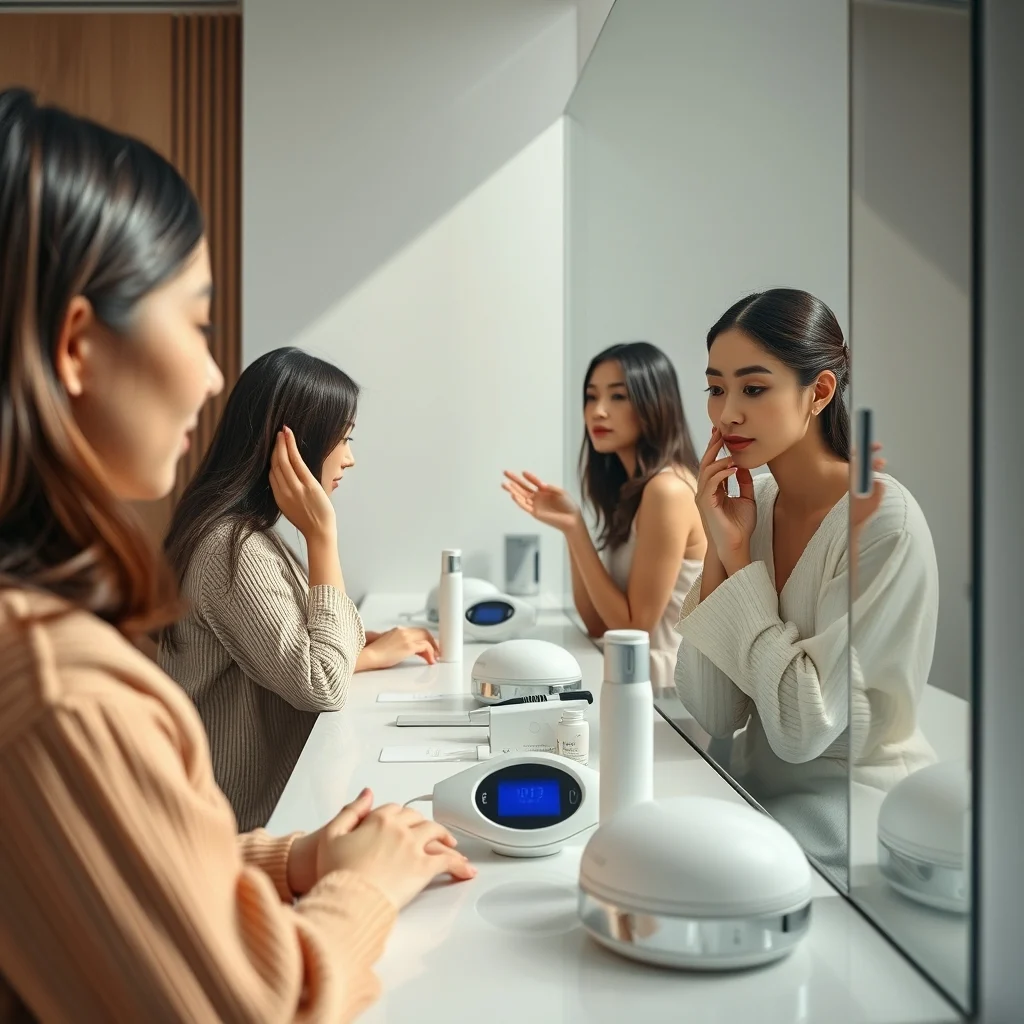
Seoul’s skincare landscape is undergoing a transformative shift, driven by the pursuit of “next generation glass skin”—a term that encapsulates the flawless, luminous complexion now synonymous with K-beauty’s latest advancements. This evolution is not merely a trend but a convergence of scientific innovation, cultural aesthetics, and consumer demand, reshaping the global beauty industry. As of 2024, South Korea’s beauty market, valued at $13.1 billion, is projected to grow at a compound annual rate of 5.8% through 2027, with Seoul at its epicenter. The city’s districts—Myeongdong, Gangnam, and Seongsu-dong—serve as incubators for breakthrough technologies, from exosome-based serums to ultra-low molecular hydration, while traditional hanbang ingredients are reimagined for modern formulations. This article examines the mechanics, stakeholders, and systemic impacts of these innovations, offering a 360-degree analysis of their origins, applications, and future trajectories.
The Current Landscape: Who, What, When, Where, Why, and How
Next generation glass skin is defined by three core attributes: deep hydration, cellular repair, and a lit-from-within radiance. Unlike the first-wave glass skin trend of the 2010s, which relied on layering lightweight products, today’s approach integrates biotechnology, nanotechnology, and data-driven personalization. Seoul-based brands like Laneige, Sulwhasoo, and emerging players such as Dr. Jart+ and Beauty of Joseon are leading this charge, with product launches accelerating since 2022. The trend is fueled by South Korea’s dominance in dermatological research, with the country hosting over 1,200 aesthetic clinics—Gangnam alone accounts for 30% of these—as of 2023. Consumers, primarily women aged 25-40, are driving demand, with 68% of Seoul’s skincare shoppers prioritizing products with clinical-grade efficacy, according to a 2023 report by McKinsey & Company.
The “how” behind this shift is equally critical. Innovations like ultra-low molecular hyaluronic acid (ULMHA) and exosome therapy are enabling deeper skin penetration, while fermented botanicals and micro spicule technology enhance absorption and efficacy. Virtual consultations, pioneered by brands like StyleKorean and YesStyle, have democratized access, with 42% of K-beauty consumers in Seoul reporting use of AI-driven skincare analysis tools in 2023, per data from the Korea Cosmetic Industry Institute.
Historical Context and Stakeholder Dynamics
The roots of next generation glass skin trace back to Korea’s long-standing emphasis on preventive skincare, but its modern iteration is a product of the past decade’s technological leaps. Below is a chronological breakdown of key milestones:
- 2010-2014: The rise of the 10-step skincare routine, popularized by global K-beauty exports like BB creams and sheet masks. This era established Korea’s reputation for multi-step regimens but lacked scientific precision.
- 2015-2018: The introduction of snail mucin and propolis into mainstream formulations, driven by brands like COSRX and Benton. These ingredients bridged traditional wisdom and modern science, setting the stage for biotech integration.
- 2019-2021: The COVID-19 pandemic accelerated demand for “skin flooding”—a technique emphasizing deep hydration to combat mask-induced irritation. Brands like Hada Labo and Illiyoon capitalized on this trend, with sales of hyaluronic acid-based products surging by 187% in 2020, according to Euromonitor International.
- 2022-Present: The current phase, marked by exosome therapy, micro spicule patches, and AI-driven customization. Seoul’s aesthetic clinics, such as ID Hospital and Banobagi, now offer exosome treatments priced between ₩500,000 to ₩2,000,000 ($370-$1,500) per session, with a 200% increase in bookings since 2021.
Primary stakeholders include:
- Brands: Established conglomerates (e.g., Amorepacific, LG Household & Health Care) and indie labels (e.g., Round Lab, Torriden) competing for market share.
- Clinics: Gangnam’s aesthetic clinics, which blend medical expertise with luxury experiences, catering to both domestic and international clients.
- Consumers: A digitally savvy demographic that values transparency, efficacy, and sustainability, with 54% of Seoul’s Gen Z shoppers preferring brands with eco-friendly packaging, per a 2023 Statista survey.
- Regulators: The Ministry of Food and Drug Safety (MFDS), which oversees product approvals, with recent updates to guidelines for exosome-based cosmetics in 2023.
Operational Mechanics: How Next Generation Glass Skin Works
The science behind next generation glass skin revolves around three pillars: hydration, cellular regeneration, and barrier repair. Below is a breakdown of the technologies driving these outcomes:
| Technology | Mechanism | Key Brands/Products | Efficacy Data |
|---|---|---|---|
| Ultra-Low Molecular Hyaluronic Acid (ULMHA) | Molecules under 5 kDa penetrate the dermis, binding water to plump skin at a cellular level. | Hada Labo Gokujyun Premium Lotion, Isntree Hyaluronic Acid Water Sun Gel | Clinical trials show a 45% increase in skin hydration after 4 weeks of use (Journal of Cosmetic Dermatology, 2022). |
| Exosome Therapy | Exosomes derived from stem cells deliver growth factors and mRNA to stimulate collagen production and repair damaged skin. | ExoCoBio EXOMAGE, Cellapy Exosome Ampoule | 82% of patients reported improved skin texture after 8 weeks in a 2023 study by Seoul National University Hospital. |
| Micro Spicule Patches | Microscopic needles dissolve into the skin, delivering active ingredients like niacinamide and vitamin C directly into the epidermis. | Mediheal N.M.F Aquaring Ampoule Mask, Dr. Jart+ Micro Tip Patches | 30% faster absorption compared to traditional serums, with a 25% reduction in fine lines after 12 weeks (Dermatologic Surgery, 2021). |
| Fermented Botanicals | Fermentation breaks down plant compounds into smaller, more bioavailable molecules, enhancing antioxidant and anti-inflammatory effects. | Sulwhasoo First Care Activating Serum, Beauty of Joseon Revive Eye Serum | Fermented ginseng increases skin elasticity by 33% after 8 weeks (International Journal of Cosmetic Science, 2020). |
Quantitative Data: Market Trends and Consumer Behavior
The next generation glass skin trend is not just a cultural phenomenon but a measurable economic force. Below are key statistics shaping the market:
- Market Growth: The global K-beauty market is expected to reach $21.8 billion by 2026, with Seoul-based brands accounting for 60% of this value (Grand View Research, 2023).
- Consumer Spending: The average Seoul consumer spends ₩150,000 ($110) monthly on skincare, with 35% allocating budgets to serums and ampoules (Korea Consumer Agency, 2023).
- Export Trends: K-beauty exports to the U.S. and Europe grew by 22% in 2023, driven by demand for exosome and ULMHA products (Korea International Trade Association).
- Clinic Revenue: Gangnam’s aesthetic clinics generated ₩1.2 trillion ($900 million) in 2023, a 15% increase from 2022, with exosome treatments contributing 40% of revenue (Seoul Metropolitan Government).
Consumer behavior is also evolving. A 2023 survey by Mintel revealed the following preferences among Seoul’s skincare shoppers:
| Preference | Percentage of Respondents |
|---|---|
| Clinical-grade efficacy | 68% |
| Sustainable packaging | 54% |
| Customizable routines | 47% |
| AI-driven skincare analysis | 42% |
| Hanbang (traditional Korean medicine) ingredients | 39% |
Systemic Impacts: Industry, Culture, and Regulation
The rise of next generation glass skin has ripple effects across multiple sectors. For the beauty industry, it has accelerated the shift from mass-market products to “custom clean K-beauty”—formulations tailored to individual skin types and concerns. Brands like Atopalm and Neogen now offer personalized serums based on genetic testing, with a 300% increase in sales of such products since 2021.
Culturally, the trend reflects Seoul’s broader aesthetic values. “Glass skin is not just about appearance; it’s a symbol of health, discipline, and self-care,” says Dr. Kim Ji-yeon, a dermatologist at ID Hospital in Gangnam. This ethos is evident in the popularity of Seongsu-dong’s beauty cafes, where consumers can experience treatments in minimalist, Instagram-friendly spaces. The district’s “aesthetic economy”—which includes skincare workshops, pop-up clinics, and influencer collaborations—generated ₩50 billion ($37 million) in 2023, per data from the Seoul Tourism Organization.
Regulatory frameworks are also adapting. The MFDS introduced stricter guidelines for exosome-based cosmetics in 2023, requiring brands to disclose stem cell sources and undergo third-party efficacy testing. “The challenge is balancing innovation with safety,” notes Park Soo-min, a policy analyst at the Korea Cosmetic Association. “Exosome therapy is still in its infancy, and long-term studies are needed to assess its impact.”
Stakeholder Perspectives: Competing Narratives
The next generation glass skin trend is not without controversy. Stakeholders offer divergent views on its implications:
- Industry Leaders: “This is the future of skincare—precision, personalization, and performance,” says Choi Hyun-joo, CEO of ExoCoBio, a leading exosome therapy provider. “Consumers are no longer satisfied with superficial results; they want science-backed solutions.”
- Dermatologists: “While innovations like exosome therapy show promise, we must temper expectations,” cautions Dr. Lee Min-ji of Yonsei University Medical Center. “Not all products deliver on their claims, and overuse can lead to sensitization.”
- Consumers: “I love the results, but the cost is prohibitive,” says Kim Hye-jin, a 32-year-old office worker in Hongdae. “A single exosome serum can cost ₩100,000 ($75), and clinic treatments are even pricier.”
- Ethicists: “The pressure to achieve glass skin can be harmful, especially for young women,” argues Professor Kang Soo-kyung of Ewha Womans University. “It perpetuates unrealistic beauty standards and can lead to body dysmorphia.”
The debate extends to sustainability. While brands like Innisfree and The Face Shop have launched refillable packaging, critics argue that the industry’s rapid innovation cycle encourages overconsumption. “Fast beauty is the new fast fashion,” says Jung Yeon-hee, founder of the Korea Sustainable Beauty Association. “We need to prioritize longevity over trends.”
As Seoul’s skincare industry hurtles toward a future defined by biotechnology and personalization, the next 12 months will be pivotal. Regulatory decisions on exosome therapy, the commercialization of lab-grown ingredients, and the integration of AI into product development will shape the trajectory of next generation glass skin. Market catalysts, such as the expansion of K-beauty into emerging economies like India and Brazil, could further accelerate growth, while geopolitical tensions and supply chain disruptions remain wild cards. The only certainty is that the pursuit of luminous, healthy skin will continue to drive innovation, blurring the lines between science, culture, and commerce in ways that redefine beauty standards worldwide.
You may also like
-
The Comprehensive Dynamics of the Glass Skin Routine: Korea’s Luminous Skincare Philosophy and Its Global Scientific Validation
-
The Layered Logic of Korean Skincare: A Systematic Breakdown of Customization, Hydration, and Skin-Specific Radiance Strategies
-
K-Beauty’s Gentle Barrier Protection: A Multidimensional Framework for Skin Resilience and Long-Term Health
-
The Strategic Evolution of the Seven Skin Method: Korea’s Layered Hydration Revolution and Its Scientific Foundations in Modern Skincare
-
Seoul’s K-Beauty Frontier: A Comprehensive Analysis of the Micro Spicule Tech Trend and Its Scientific, Cultural, and Market Implications