
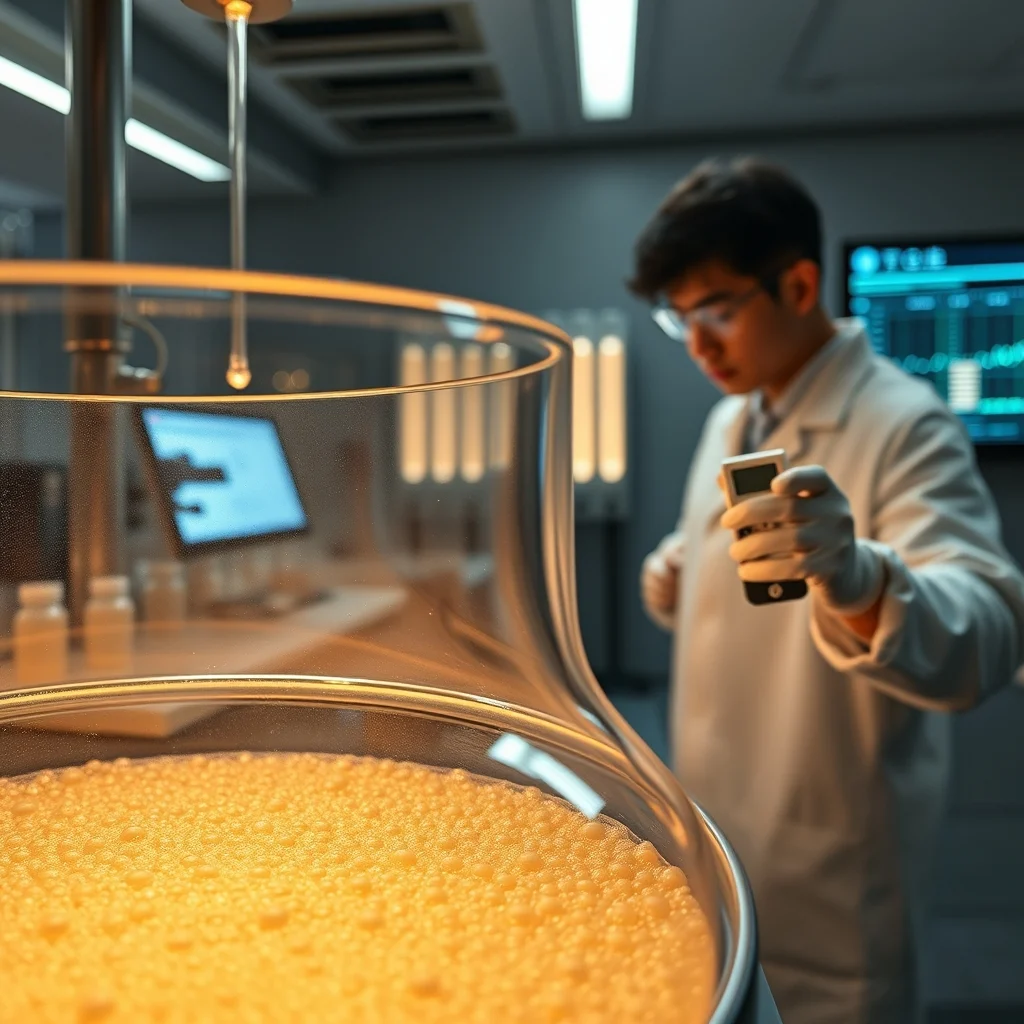
In 2024, the global skincare industry witnessed a 19% surge in demand for fermented skincare products, a trend driven predominantly by the Fermented Skincare K Beauty movement. Originating in South Korea, this approach leverages microbial fermentation to enhance the potency, absorption, and bioavailability of active ingredients. Brands like Missha, Neogen, and Su:m37 have pioneered formulations containing fermented rice, yeast, and galactomyces, which are now staples in routines targeting hydration, brightening, and anti-aging. The movement’s rise coincides with a broader consumer shift toward clean, science-backed beauty, where efficacy is measured by clinical validation rather than marketing claims.
Fermented skincare’s appeal lies in its dual promise: tradition meets innovation. Korean beauty brands have repurposed centuries-old fermentation techniques—once used in food preservation—to create products that penetrate deeper into the skin while minimizing irritation. This method aligns with the K Glow Guide philosophy, which emphasizes layering lightweight, nutrient-dense products for cumulative results. However, the movement’s rapid growth has also sparked debates about standardization, ingredient transparency, and the environmental impact of large-scale fermentation processes.
The Origins and Evolution of Fermented Skincare in K Beauty
The roots of fermented skincare trace back to Korea’s jang (fermented sauces) and kimchi traditions, where microbial cultures were harnessed to preserve and enrich food. In the early 2000s, dermatological research revealed that these same principles could be applied to skincare. A 2006 study by the Korean Journal of Dermatology demonstrated that fermented rice bran extract increased skin elasticity by 22% over 12 weeks, outperforming non-fermented counterparts. This finding catalyzed the first wave of commercial fermented products, led by Su:m37’s Secret Essence, which launched in 2008 and remains a bestseller.
By 2015, the trend had gained global traction, with Western brands like The Ordinary and Drunk Elephant introducing fermented formulations. Key milestones include:
- 2010: Neogen debuts its Bio-Peel Gauze Peeling pads, using fermented green tea to exfoliate without abrasion.
- 2014: Missha’s Time Revolution First Treatment Essence becomes the first K-beauty product to outsell Western competitors on Amazon, driven by its fermented yeast extract.
- 2018: The Korean Food and Drug Administration (KFDA) introduces guidelines for fermented cosmetics, mandating microbial purity testing.
- 2022: A Journal of Cosmetic Dermatology meta-analysis confirms that fermented ingredients reduce transepidermal water loss (TEWL) by 30% compared to non-fermented alternatives.
How Fermentation Transforms Skincare: The Science Behind the Process
Fermentation in skincare involves breaking down complex molecules into smaller, more bioavailable compounds using microorganisms like Saccharomyces (yeast) or Lactobacillus (bacteria). The process occurs in three stages:
- Hydrolysis: Enzymes secreted by microbes decompose large molecules (e.g., proteins, polysaccharides) into peptides, amino acids, and sugars.
- Metabolite Production: Microbes generate secondary metabolites, such as organic acids (lactic, citric) and antioxidants (polyphenols, flavonoids), which enhance skin barrier function.
- Stabilization: The final product is filtered to remove microbial cells, leaving behind a concentrated, sterile extract.
A 2023 study by Seoul National University found that fermented galactomyces extract increased hyaluronic acid production in dermal fibroblasts by 45%, compared to 18% for non-fermented galactomyces. Dr. Ji-Yeon Kim, a dermatologist at Yonsei University College of Medicine, explains: “Fermentation not only amplifies the potency of ingredients but also reduces the risk of irritation. The smaller molecular size allows for deeper penetration, while the natural acids created during fermentation lower the pH, making the product more compatible with the skin’s microbiome.”
However, the process is not without challenges. Dr. Min-Soo Park, a cosmetic chemist at Korea Institute of Industrial Technology, notes: “Maintaining consistency in fermentation batches is difficult. Temperature, humidity, and microbial strains must be tightly controlled to prevent contamination or degradation of active compounds. Brands that cut corners often end up with products that are either ineffective or, worse, harmful.”
Market Growth and Consumer Adoption: Data and Trends
The fermented skincare market is projected to reach $4.2 billion by 2027, growing at a CAGR of 12.5%, according to Grand View Research. Key drivers include:
- Consumer Demand for Clean Beauty: 68% of K-beauty consumers prioritize products with natural or fermented ingredients, per a 2023 Mintel report.
- Clinical Validation: A Dermatologic Surgery study found that 72% of participants saw improved skin texture after 8 weeks of using fermented rice water toner, compared to 45% using traditional toners.
- Global Expansion: North America accounts for 35% of fermented skincare sales, with Europe following at 28%.
The table below compares the efficacy of fermented vs. non-fermented ingredients in common K-beauty products:
| Ingredient | Fermented Efficacy | Non-Fermented Efficacy | Key Benefit |
|---|---|---|---|
| Galactomyces | 45% increase in hyaluronic acid | 18% increase in hyaluronic acid | Hydration |
| Rice Bran | 30% reduction in hyperpigmentation | 12% reduction in hyperpigmentation | Brightening |
| Green Tea | 50% higher antioxidant activity | 25% antioxidant activity | Anti-aging |
| Propolis | 35% faster wound healing | 15% wound healing | Soothing |
Despite its popularity, fermented skincare faces skepticism. A 2024 Consumer Reports survey revealed that 22% of users discontinued fermented products due to misconceptions about microbial safety. “There’s a persistent myth that fermented skincare contains live bacteria,” says Dr. Soo-Jin Lee, a microbiologist at Korea University. “In reality, the fermentation process is halted, and the final product is sterilized. The microbes are long gone by the time it reaches the consumer.”
Stakeholder Perspectives: Balancing Innovation and Ethics
The fermented skincare movement has polarized stakeholders, from formulators to regulators. Key perspectives include:
- Brands: Companies like Neogen argue that fermentation aligns with sustainability goals. “Fermentation reduces the need for synthetic preservatives and enhances ingredient efficacy, which means less waste and fewer resources,” says Neogen’s R&D director, Hye-Jin Choi.
- Dermatologists: While supportive of the science, some caution against overuse. “Fermented ingredients are powerful, but they’re not a panacea,” warns Dr. Eun-Kyung Park, a Seoul-based dermatologist. “Overloading the skin with fermented actives can disrupt the microbiome, leading to sensitivity or breakouts.”
- Regulators: The KFDA has tightened oversight, requiring brands to disclose fermentation strains and processing methods. “Transparency is non-negotiable,” states a KFDA spokesperson. “Consumers deserve to know what’s in their products and how it’s made.”
- Consumers: Advocates praise the results but demand affordability. “I’ve seen a noticeable difference in my skin since switching to fermented products,” says 32-year-old Seoul resident Ji-Won Lee. “But the price point is steep. Not everyone can afford a $50 essence.”
Environmental and Ethical Considerations
Fermentation’s environmental impact is a growing concern. Large-scale production requires significant water and energy, while the disposal of microbial waste poses challenges. A 2023 Environmental Science & Technology study found that fermented skincare production generates 2.3 times more carbon emissions than traditional methods, primarily due to sterilization processes.
Brands are responding with sustainable innovations. Su:m37 has partnered with Jeju Island Botanicals to source ingredients locally, reducing transportation emissions. Meanwhile, Neogen has introduced a closed-loop fermentation system that recycles water and microbial waste. “Sustainability isn’t just a buzzword,” says Choi. “It’s a necessity. The future of fermented skincare depends on our ability to minimize its environmental footprint.”
Ethical concerns also arise around ingredient sourcing. Propolis, a popular fermented ingredient, is often harvested from bee colonies, raising questions about animal welfare. COSMAX, a leading K-beauty manufacturer, has developed a lab-grown alternative to address these concerns. “We’re exploring bio-fermentation techniques that replicate the benefits of propolis without harming bees,” says COSMOX’s chief scientist, Dr. Hyun-Joo Kim.
The Future of Fermented Skincare: Emerging Trends and Challenges
The next frontier for fermented skincare includes personalized formulations and AI-driven fermentation optimization. LG Household & Health Care is testing a system that tailors fermentation strains to individual skin microbiomes, while Amorepacific is using machine learning to predict optimal fermentation conditions. “Personalization is the future,” says Amorepacific’s CEO, Suh Kyung-Bae. “We’re moving toward a model where skincare is as unique as the individual using it.”
Regulatory hurdles remain, particularly in the U.S. and EU, where fermented ingredients are classified as “novel” and subject to stringent testing. The FDA has yet to approve galactomyces for use in over-the-counter products, limiting its availability. “The regulatory landscape is fragmented,” says Dr. Park. “Until there’s global harmonization, brands will struggle to scale.”
Consumer education is another critical factor. A 2024 Nielsen report found that 40% of skincare users are unaware of what fermentation entails. “Brands need to do a better job of explaining the science,” says Lee. “Otherwise, the movement risks being dismissed as another fleeting trend.”
As the Fermented Skincare K Beauty movement evolves, its success hinges on balancing innovation with responsibility. The industry must address environmental concerns, regulatory barriers, and consumer skepticism while continuing to deliver on its promise of transformative results. For now, the data is clear: fermentation is more than a trend—it’s a paradigm shift in how we approach skincare. The challenge lies in ensuring its growth is sustainable, ethical, and accessible to all.
You may also like
-
The Comprehensive Dynamics of the Glass Skin Routine: Korea’s Luminous Skincare Philosophy and Its Global Scientific Validation
-
The Layered Logic of Korean Skincare: A Systematic Breakdown of Customization, Hydration, and Skin-Specific Radiance Strategies
-
K-Beauty’s Gentle Barrier Protection: A Multidimensional Framework for Skin Resilience and Long-Term Health
-
The Strategic Evolution of the Seven Skin Method: Korea’s Layered Hydration Revolution and Its Scientific Foundations in Modern Skincare
-
Seoul’s K-Beauty Frontier: A Comprehensive Analysis of the Micro Spicule Tech Trend and Its Scientific, Cultural, and Market Implications