
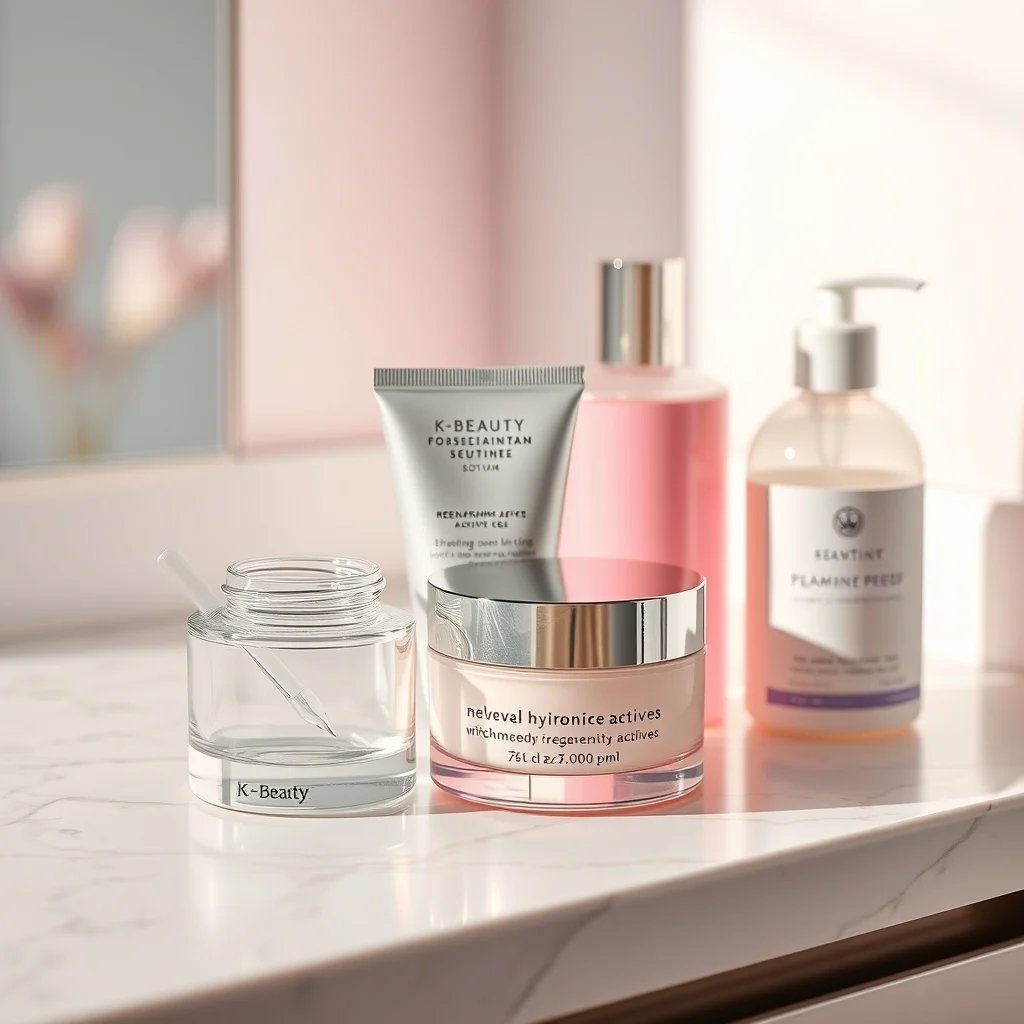
Ever wondered how to elevate your skincare game with cutting-edge ingredients that promise long-term skin health? The world of **K-Beauty trends and innovations** is constantly evolving, and one of the most exciting shifts involves the rise of peptide and regenerative actives. These powerhouse ingredients are designed to support your skin’s natural renewal process, making them a game-changer for anyone looking to invest in their skin’s future.
If you’re new to skincare or simply curious about how these advanced ingredients can fit into your routine, this guide will help you navigate the basics. From understanding what peptides and regenerative actives are to discovering how to incorporate them safely and effectively, we’ve got you covered. Whether you’re aiming for a more youthful glow or improved skin resilience, these innovations offer a promising path forward.
Understanding Peptides and Regenerative Actives: What Are They?
Peptides are short chains of amino acids that serve as building blocks for proteins like collagen and elastin. When applied topically, they signal your skin to produce more of these proteins, promoting firmer, smoother, and more elastic skin over time. Regenerative actives, on the other hand, often include ingredients like PDRN (Polypeptide-Derived Regenerating Neuropeptide) or other biotech compounds that stimulate cellular repair and regeneration. Together, these ingredients work synergistically to enhance skin repair, reduce fine lines, and improve overall texture.
Unlike traditional skincare ingredients that focus on surface-level hydration or brightening, peptides and regenerative actives target deeper layers of the skin. This makes them particularly appealing for those seeking long-term results rather than quick fixes. For beginners, the key is to start slow and introduce these ingredients gradually to avoid overwhelming your skin.
Before diving in, it’s worth noting that while these ingredients are innovative, they’re not magic bullets. Consistency and patience are key. Your skin needs time to adapt and show noticeable improvements. If you’re unsure about how to begin, consider consulting resources like the American Academy of Dermatology for general skincare guidance.
How to Incorporate Peptides and Regenerative Actives Into Your Routine
Introducing peptides and regenerative actives into your skincare routine doesn’t have to be complicated. Start by identifying the right products for your skin type and concerns. For example, if you’re dealing with signs of aging, look for serums or creams that combine peptides with hyaluronic acid or niacinamide to enhance absorption and hydration. These combinations help to plump the skin and create a smoother canvas for the peptides to work their magic.
When layering products, it’s best to apply peptides at night, as they often require a bit more time to penetrate the skin. Follow up with a moisturizer to lock in hydration and support the skin’s barrier. If you’re new to these ingredients, begin with a lower concentration to assess how your skin reacts. Over time, you can gradually increase the frequency or potency as your skin becomes accustomed to them.
Another tip is to pair these actives with gentle, non-stripping cleansers to avoid disrupting your skin’s natural balance. A clean, hydrated skin surface allows peptides and regenerative ingredients to work more effectively. Remember, the goal is to nurture your skin, not strip it of its natural oils or protective barrier.
Choosing the Right Products: What to Look For
Not all peptide products are created equal, so it’s important to read labels carefully. Look for serums or creams that explicitly mention peptides like Matrixyl, Argireline, or Copper Peptides. These are some of the most researched and effective types of peptides for skincare. Regenerative actives, such as PDRN or snail mucin, are also worth exploring, especially if you’re targeting specific concerns like redness, texture irregularities, or slow healing.
When shopping, prioritize products that are free from harsh chemicals like sulfates, parabens, or synthetic fragrances. These can irritate the skin and counteract the benefits of peptides and regenerative ingredients. Opt for clean, fragrance-free formulations to minimize the risk of irritation, particularly if you have sensitive skin. Brands that emphasize transparency about their ingredients are often a safer bet.
Additionally, consider the texture of the product. Peptide serums are typically lightweight and easily absorbed, making them ideal for layering under moisturizers. Creams that contain peptides can be more nourishing, especially for those with dry or mature skin. The right texture will depend on your skin’s needs and how it responds to different formulations.
Common Mistakes to Avoid When Using Peptides and Regenerative Actives
While peptides and regenerative actives are powerful, they can also be tricky to use effectively if not approached correctly. One of the most common mistakes is overloading your routine with too many actives at once. This can lead to irritation, redness, or even breakouts, especially if your skin isn’t used to high-potency ingredients. Start with one or two products containing peptides or regenerative actives and monitor how your skin responds.
Another pitfall is expecting immediate results. Peptides and regenerative actives work gradually, often taking several weeks or even months to show visible improvements. Consistency is key, so stick with your routine and give your skin time to adapt. If you notice any signs of irritation, such as redness or itching, pause use and reassess your routine.
Finally, don’t neglect sun protection. While peptides can help improve skin elasticity and reduce fine lines, they won’t reverse sun damage. Always use a broad-spectrum sunscreen during the day to protect your skin from further harm. This is especially important if you’re using regenerative actives, as these ingredients can make your skin more sensitive to UV rays.
Peptides and Regenerative Actives for Different Skin Concerns
Peptides and regenerative actives aren’t one-size-fits-all—they can be tailored to address a variety of skin concerns. For example, if you’re dealing with hyperpigmentation, look for peptides that promote cell turnover, such as those containing copper or matrixyl. These can help fade dark spots over time while improving skin texture.
If your skin is prone to acne or breakouts, peptides that have anti-inflammatory properties, like those derived from fermented ingredients, can be beneficial. They help calm the skin while supporting repair without clogging pores. For those with signs of aging, peptides that stimulate collagen production, such as argireline, can help reduce wrinkles and improve skin firmness.
Regenerative actives like PDRN are particularly useful for sensitive or compromised skin. They promote wound healing and reduce inflammation, making them ideal for post-procedure recovery or skin that’s prone to irritation. Always patch-test new products to ensure they suit your skin’s needs.
Building a Simple Yet Effective Routine with Peptides
Creating a routine centered around peptides and regenerative actives doesn’t have to be complex. Start with a gentle cleanser to remove impurities without stripping your skin. Follow up with a peptide serum applied to damp skin for better absorption. Next, layer on a moisturizer to hydrate and protect your skin’s barrier.
For those with more specific concerns, consider adding a targeted treatment like a niacinamide serum or a hyaluronic acid gel before your peptide serum. These ingredients work synergistically to enhance hydration and support the skin’s natural repair processes. At night, you can also incorporate a regenerative active like a snail mucin mask or a PDRN-infused cream to boost repair while you sleep.
Remember, less is often more when it comes to skincare. Focus on quality over quantity, and always listen to your skin. If a product causes irritation, it’s better to switch to something gentler rather than push through discomfort. Over time, you’ll find the perfect balance that works for your unique skin.
Embracing the world of peptides and regenerative actives is a fantastic way to introduce advanced skincare into your routine. With the right products and a patient approach, you can achieve healthier, more resilient skin. Start small, stay consistent, and let these innovations work their magic over time. Your future self will thank you for taking the first step toward a more glowing, youthful complexion.
You may also like
-
K-Beauty Trends & Innovations: A Barrier-First Approach for Lasting Skin Health
-
K-Beauty Trends 2024: A Step-by-Step Guide to Glass Skin 2.0 at Home
-
K-Beauty Trends 2024: A Beginner’s Guide to Skinimalism & Barrier-First Routines
-
K-Beauty Trends 2024: Your Quick Start Guide to Flawless Skin
-
K-Beauty Trends & Innovations: Quick Tips for Busy People to Glow Effortlessly