
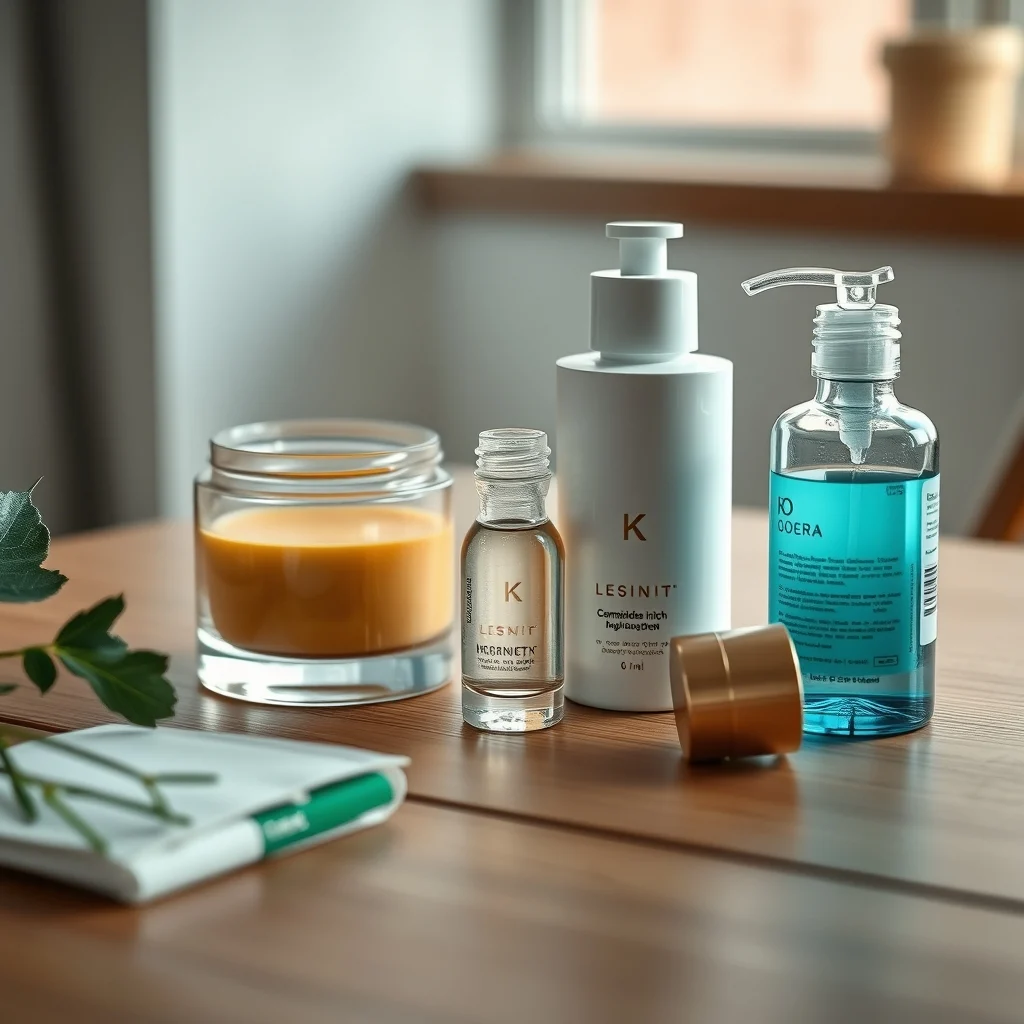
Ever wondered how to transform your skincare routine into one that not only addresses immediate concerns but also builds long-term skin resilience? The rise of **K-Beauty trends and innovations** centered around a barrier-first approach offers a refreshing shift from reactive skincare. Instead of chasing quick fixes, this method prioritizes strengthening your skin’s natural defenses, ensuring healthier, more radiant skin over time.
At its core, a barrier-first approach emphasizes protecting and nourishing your skin’s protective layer—the acid mantle—before diving into treatments. This philosophy is gaining traction globally, blending science-backed ingredients with gentle, ritualistic practices. Whether you’re a skincare novice or a seasoned enthusiast, understanding this method can help you achieve lasting results without compromising your skin’s health.
Let’s explore how this approach works and why it’s becoming the cornerstone of modern skincare routines.
Understanding the Barrier-First Philosophy
The skin’s barrier isn’t just a surface; it’s a dynamic system that regulates hydration, protects against environmental damage, and maintains pH balance. A compromised barrier can lead to sensitivity, irritation, or even premature aging. The barrier-first approach focuses on repairing and reinforcing this layer through hydration, gentle cleansing, and barrier-supportive ingredients.
This philosophy is rooted in the idea that healthy skin starts with a strong foundation. By prioritizing barrier repair, you create an optimal environment for other skincare steps—like serums or treatments—to work effectively. Think of it as building a house: you wouldn’t start with the roof before laying the foundation, right? The same logic applies to your skincare.
One of the key principles of this approach is avoiding harsh ingredients that strip the skin of its natural oils or disrupt its pH. Instead, it leans on gentle, hydrating, and nourishing products that promote skin resilience. Ingredients like ceramides, hyaluronic acid, and squalane are staples in this routine, as they help restore and maintain the skin’s protective layer.
For those new to skincare, this method can feel counterintuitive. After all, many trends focus on exfoliating, layering, or using potent actives. But the barrier-first approach reminds us that less can often be more—especially when it comes to long-term skin health.
Key Ingredients for Barrier Repair
Not all skincare ingredients are created equal, especially when it comes to barrier repair. Some ingredients actively strengthen the skin’s defenses, while others can weaken them over time. Understanding which ones to include—and which to avoid—is crucial for building a effective barrier-first routine.
Ceramides are one of the most well-known barrier-supportive ingredients. These lipid-like molecules mimic the natural fats in your skin, helping to lock in moisture and prevent water loss. They’re often found in cleansers, moisturizers, and even sheet masks, making them a versatile addition to any routine.
Hyaluronic acid is another hydrating powerhouse that works in harmony with ceramides. While it doesn’t directly repair the barrier, its ability to hold up to 1,000 times its weight in water ensures your skin stays plump and hydrated. This hydration is essential for maintaining a healthy barrier, as dehydrated skin is more prone to irritation and sensitivity.
Fatty acids, such as linoleic acid, are also critical for barrier function. They help maintain the skin’s lipid layer, which acts as a shield against external stressors. Look for products that include these acids, as they’re often found in lightweight oils or serums designed to nourish without clogging pores.
On the flip side, ingredients like sulfates, alcohol, and strong acids can disrupt the barrier if overused. While they might offer immediate benefits—like deep cleansing or exfoliation—they can leave your skin vulnerable in the long run. The barrier-first approach encourages mindful use of these ingredients, ensuring they’re balanced with barrier-supportive steps.
Building Your Barrier-First Routine
Transitioning to a barrier-first routine doesn’t require a complete overhaul of your current regimen. Instead, it’s about adding or adjusting steps to prioritize barrier health. Start by assessing your current products and identifying any that might be overly harsh or stripping. Gradually replace them with gentler alternatives that focus on hydration and repair.
A simple yet effective barrier-first routine can be broken down into a few key steps. Begin with a **gentle, non-stripping cleanser** that removes dirt and impurities without disrupting your skin’s pH. Look for cleansers with ingredients like glycerin, panthenol, or oat extract, which soothe and hydrate as they cleanse.
Next, incorporate a hydrating toner or essence into your routine. These lightweight products help prep your skin for the next steps by delivering additional hydration and prepping the barrier for better absorption of subsequent products. Ingredients like snail mucin or fermented ingredients are popular in K-Beauty for their soothing and reparative properties.
After toning, apply a serum or essence rich in barrier-supportive ingredients like ceramides or hyaluronic acid. This step ensures your skin is well-nourished before moving on to heavier textures. Follow up with a moisturizer that includes emollients like squalane or shea butter to seal in hydration and strengthen the barrier.
Finally, don’t underestimate the power of sunscreen. While often seen as a separate step, sunscreen plays a crucial role in protecting your skin’s barrier from environmental damage. Opt for a lightweight, non-comedogenic formula that won’t clog pores or irritate sensitive skin.
Common Mistakes to Avoid
Even with the best intentions, it’s easy to make mistakes when adopting a barrier-first approach. One of the most common pitfalls is over-exfoliating or using harsh actives too frequently. While exfoliation can help with cell turnover, excessive use can strip the skin and weaken its defenses. Stick to gentle exfoliants like lactic acid or PHA, and limit their use to 2–3 times a week.
Another mistake is neglecting the importance of consistency. Barrier repair is a gradual process, and rushing results can lead to frustration or irritation. Give your skin time to adapt to new products, and be patient as you see improvements over weeks or even months.
Skipping moisturizer is another oversight that can sabotage your barrier-first efforts. Even oily skin types need hydration to maintain a healthy barrier. Opt for oil-free or gel-based moisturizers that provide light hydration without feeling heavy or greasy.
Lastly, ignoring lifestyle factors can undermine your skincare routine. Factors like diet, sleep, and stress levels all play a role in skin health. Prioritize a balanced diet rich in vitamins and antioxidants, aim for 7–9 hours of sleep per night, and practice stress-reduction techniques like meditation or gentle exercise.
Why This Approach Works for All Skin Types
One of the beauties of the barrier-first approach is its versatility. Whether you have dry, oily, combination, or sensitive skin, this method can be tailored to meet your specific needs. For dry or sensitive skin types, the focus is on deeply hydrating and repairing the barrier with rich, soothing ingredients.
Oily skin types can benefit from lighter, water-based products that provide hydration without adding excess oil. Look for gel moisturizers or essences that hydrate without clogging pores. The key is to balance hydration with oil control, ensuring your skin remains resilient without feeling greasy.
Combination skin can also thrive with a barrier-first routine by using targeted products. For example, you might apply a hydrating serum to dry areas while using a lighter moisturizer on oilier zones. This customization ensures your entire face receives the care it needs without overloading any one area.
For those with sensitive skin, the barrier-first approach is particularly beneficial. By avoiding irritating ingredients and focusing on gentle, soothing products, you can reduce redness, irritation, and reactivity. Ingredients like aloe vera, chamomile, or centella asiatica are excellent choices for calming sensitive skin while strengthening its defenses.
Ultimately, the barrier-first approach isn’t about restricting your skincare choices—it’s about making informed decisions that prioritize long-term skin health. By focusing on repair and protection, you create a solid foundation for all other skincare steps.
Ready to give your skin the care it deserves? Start small by introducing one or two barrier-supportive products into your routine. Over time, you’ll notice a difference—not just in how your skin looks, but in how it feels. Healthy, resilient skin is the ultimate goal, and a barrier-first approach is the key to achieving it.
You may also like
-
K-Beauty Trends 2024: A Step-by-Step Guide to Glass Skin 2.0 at Home
-
K-Beauty Trends 2024: A Beginner’s Guide to Skinimalism & Barrier-First Routines
-
K-Beauty Trends 2024: Your Quick Start Guide to Flawless Skin
-
K-Beauty Trends & Innovations: Quick Tips for Busy People to Glow Effortlessly
-
K-Beauty Trends & Innovations: A Barrier-First, Skinimalism Approach for Healthier Skin