
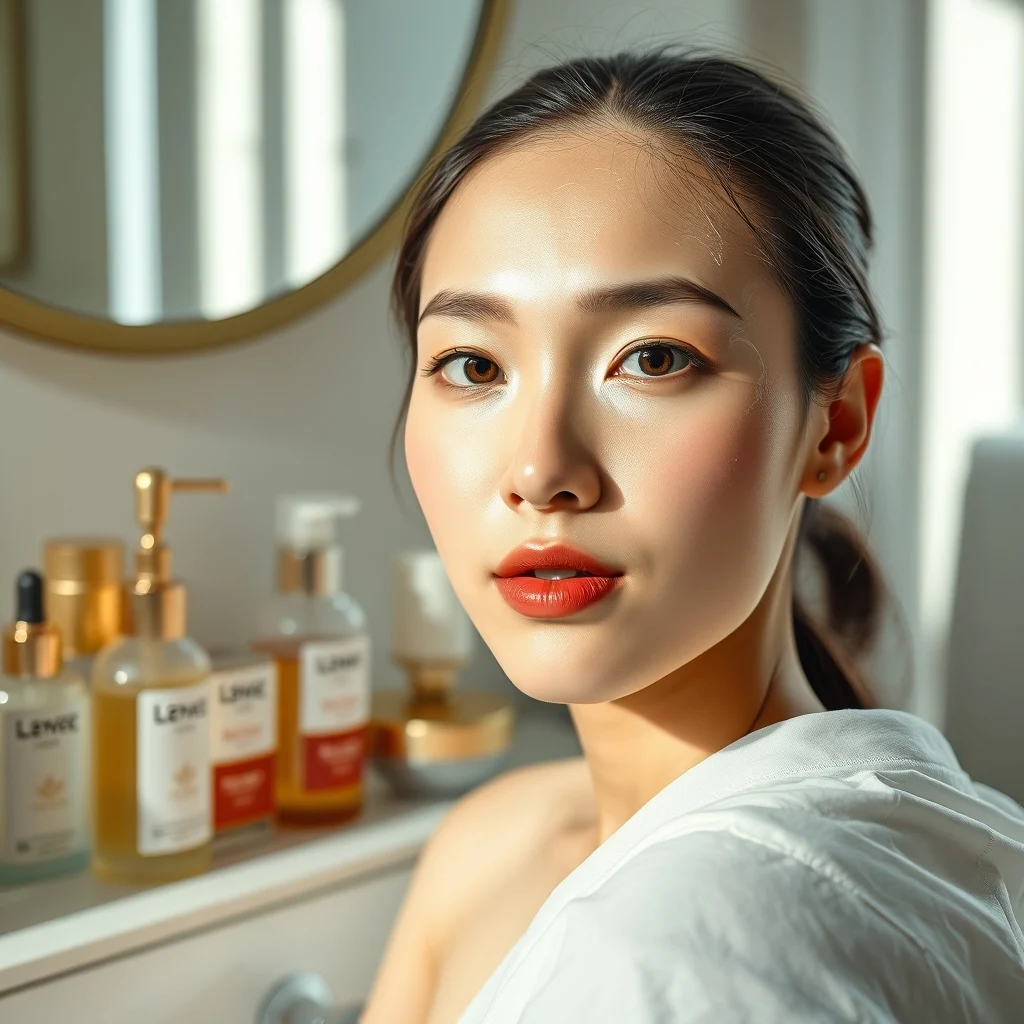
In the ever-evolving landscape of global beauty, few trends have captivated audiences as thoroughly as the Glass Skin Routine. Originating from South Korea, this meticulously crafted regimen promises a complexion so luminous and flawless it resembles polished glass. Unlike fleeting beauty fads, the Glass Skin Routine is rooted in decades of dermatological research, cultural practices, and innovative ingredient science. Its rise to prominence reflects a broader shift in skincare philosophy—one that prioritizes hydration, barrier repair, and long-term skin health over quick fixes. For consumers, dermatologists, and beauty brands alike, understanding the mechanics and cultural significance of this routine offers valuable insights into the future of skincare.
The Origins and Evolution of the Glass Skin Routine
The concept of glass skin—known as chok chok in Korean—emerged in the early 2010s as a natural extension of Korea’s authentic Korean skincare ethos. While the term gained viral traction around 2017, its foundational principles trace back to traditional Korean beauty practices that emphasize prevention, hydration, and gentle care. Historically, Korean skincare has been influenced by hanbang (traditional Korean medicine), which incorporates botanicals like ginseng, green tea, and Jeju Island botanicals for their healing properties.
By the mid-2010s, the global beauty industry began taking notice as K-pop idols and Korean actresses showcased seemingly poreless, dewy complexions. Social media platforms, particularly Instagram and YouTube, accelerated the trend’s adoption, with influencers and dermatologists dissecting the routine’s steps. Today, the Glass Skin Routine is not just a beauty ideal but a benchmark for skincare efficacy, with market research firm Mintel reporting a 30% increase in global searches for Korean skincare routines between 2019 and 2023.
Key Milestones in the Glass Skin Routine’s Development
- 2012: The 10 Step K Beauty Ritual gains traction in Western markets, introducing consumers to multi-step skincare.
- 2015: The term chok chok (glossy, hydrated skin) enters beauty lexicons, with brands like Laneige and COSRX launching products tailored to the trend.
- 2017: The Glass Skin Routine becomes a global phenomenon, with Google Trends data showing a 200% spike in searches for the term.
- 2020: The COVID-19 pandemic fuels demand for at-home skincare, with sales of Korean rice water toner and snail mucin radiance products surging by 45% (NPD Group).
- 2023: Clinical studies validate the efficacy of key Glass Skin ingredients, such as fermented skincare and Centella Asiatica, in improving skin barrier function.
The Core Principles of the Glass Skin Routine
At its heart, the Glass Skin Routine is a multi-layered approach designed to achieve three primary goals: deep hydration, barrier reinforcement, and even skin tone. Unlike Western skincare routines that often focus on exfoliation or anti-aging, the Glass Skin method prioritizes cumulative, gentle care. According to Dr. Joyce Park, a board-certified dermatologist and founder of Skin Refinery, “The Glass Skin Routine is less about instant results and more about creating a resilient, healthy skin ecosystem. It’s a marathon, not a sprint.”
The routine typically involves 7 to 10 steps, though modern adaptations allow for customization based on skin type and concerns. Below is a breakdown of the foundational steps, along with the science behind each:
The Step-by-Step Breakdown
| Step | Purpose | Key Ingredients/Methods |
|---|---|---|
| 1. Double Cleansing | Removes impurities without stripping the skin. | Oil-based cleanser followed by water-based cleanser (e.g., Jeju Island botanicals or green tea extracts). |
| 2. Exfoliation | Promotes cell turnover and smoothness. | PHA or lactic acid (1-2 times weekly). |
| 3. Toning | Balances pH and preps skin for hydration. | Korean rice water toner, fermented skincare (e.g., galactomyces). |
| 4. Essence | Delivers lightweight hydration and active ingredients. | Hyaluronic acid, snail mucin radiance. |
| 5. Serum/Ampoule | Targets specific concerns (e.g., brightening, anti-aging). | Korean ampoule layering (e.g., niacinamide, vitamin C). |
| 6. Sheet Masking | Provides intensive hydration and nourishment. | K Beauty sheet masking (e.g., hydrogel masks infused with propolis glow serum). |
| 7. Eye Cream | Hydrates and protects the delicate eye area. | Peptides, caffeine. |
| 8. Moisturizer | Seals in hydration and strengthens the skin barrier. | Water cream hydration, ceramides. |
| 9. Slugging (Nighttime) | Locks in moisture for overnight repair. | Slugging K Beauty style (petroleum jelly or beeswax-based balms). |
The Role of Hydration: The Seven Skin Method
A cornerstone of the Glass Skin Routine is the Seven Skin Method, a technique that involves applying seven layers of toner or essence to maximize hydration. Developed by Korean skincare brand Whoo, this method leverages the humectant properties of ingredients like hyaluronic acid and glycerin to plump the skin. A 2022 study published in the Journal of Cosmetic Dermatology found that layering hydrating products increased skin moisture levels by 35% compared to single-application methods.
“The Seven Skin Method is a game-changer for those with dehydrated or sensitive skin,” says esthetician and K-beauty expert Charlotte Cho, founder of Soko Glam. “It’s not about drowning the skin in product but creating a reservoir of hydration that supports the skin’s natural functions.”
The Science Behind Glass Skin’s Signature Ingredients
The efficacy of the Glass Skin Routine lies in its strategic use of ingredients backed by clinical research. Below are some of the most impactful components and their benefits:
1. Snail Mucin
Once considered an unconventional ingredient, snail mucin radiance is now a staple in Korean skincare. Derived from the secretion of snails, mucin contains glycoproteins, hyaluronic acid, and antimicrobial peptides that promote wound healing and collagen production. A 2015 study in the Journal of Drugs in Dermatology demonstrated that snail mucin improved skin elasticity by 26% and reduced wrinkles by 18% after 12 weeks of use.
2. Centella Asiatica
Known as tiger grass, Centella Asiatica soothing is a powerhouse for calming inflammation and repairing the skin barrier. Its active compounds—asiaticoside, madecassoside, and asiatic acid—stimulate collagen synthesis and reduce redness. Research published in Advances in Dermatology and Allergology found that Centella Asiatica accelerated wound healing by 40% compared to placebo.
3. Fermented Ingredients
Fermented skincare K Beauty products, such as galactomyces ferment filtrate, are rich in enzymes, vitamins, and amino acids that enhance skin absorption and efficacy. A 2018 study in Experimental Dermatology showed that fermented ingredients increased skin hydration by 22% and improved barrier function by 30%.
4. Propolis
Derived from bees, propolis glow serum is prized for its antibacterial and anti-inflammatory properties. It contains flavonoids and phenolic acids that protect against environmental damage and promote skin repair. A 2020 study in Phytotherapy Research highlighted propolis’s ability to reduce acne lesions by 50% over eight weeks.
Global Impact and Industry Adaptations
The Glass Skin Routine’s influence extends far beyond South Korea. According to Euromonitor International, the global Korean skincare market was valued at $13.1 billion in 2022, with projections to reach $21.4 billion by 2027. Western brands, including Estée Lauder and L’Oréal, have incorporated Glass Skin principles into their product lines, launching water cream hydration formulas and Korean hydrogel masks.
However, the trend has also sparked debates about accessibility and sustainability. Critics argue that the multi-step routine can be time-consuming and costly, with some consumers spending upwards of $200 monthly on products. “The Glass Skin Routine is aspirational, but it’s not one-size-fits-all,” notes Dr. Michelle Henry, a dermatologist based in New York. “For many, simplifying the routine to focus on hydration and barrier repair yields similar results without the complexity.”
In response, brands like Peach & Lily and Glow Recipe have introduced streamlined versions of the routine, emphasizing the double cleansing method and ampoule layering as non-negotiable steps. Meanwhile, sustainability concerns have led to innovations like refillable packaging and waterless formulations, with brands such as Blithe and Round Lab leading the charge.
Stakeholder Perspectives: Balancing Hype and Reality
The Glass Skin Routine has elicited diverse reactions from stakeholders across the beauty industry. Below are key perspectives:
1. Dermatologists
“The Glass Skin Routine is a testament to the power of consistency and gentle care,” says Dr. Park. “However, it’s essential to tailor the routine to individual skin needs. Over-layering products can lead to irritation, especially for those with sensitive skin.”
2. Beauty Brands
“We’ve seen a 60% increase in demand for products that support the Glass Skin Routine,” says Sarah Lee, co-founder of Glow Recipe. “Consumers are no longer satisfied with superficial results; they want science-backed solutions that deliver long-term benefits.”
3. Consumers
For many, the Glass Skin Routine is more than a beauty regimen—it’s a form of self-care. “It’s meditative,” shares Seoul-based skincare enthusiast Ji-eun Kim. “The ritual of layering products forces me to slow down and connect with my skin.” However, others find the routine overwhelming. “I tried the 10-step routine for a month, but it was too much,” admits London-based blogger Priya Patel. “I’ve since simplified it to four steps, and my skin has never looked better.”
4. Researchers
“The Glass Skin Routine aligns with dermatological best practices,” explains Dr. Howard Murad, founder of Murad Skincare. “Its emphasis on hydration and barrier repair addresses the root causes of many skin concerns, from acne to aging. The challenge lies in making these principles accessible to a broader audience.”
Emerging Trends and Future Outlook
As the beauty industry continues to evolve, so too does the Glass Skin Routine. Emerging trends include:
- Personalization: Brands like Atolla and Curology are leveraging AI to create customized Glass Skin-inspired routines based on skin type, climate, and lifestyle factors.
- Tech Integration: Devices like the Foreo Luna and Dr. Jart+ Smart Moisture Mask combine skincare with technology to enhance product absorption and efficacy.
- Sustainability: The rise of clean K-beauty has led to the development of eco-friendly alternatives, such as biodegradable K Beauty sheet masks and upcycled ingredients.
- Inclusivity: Brands are expanding shade ranges and formulations to cater to diverse skin tones and concerns, ensuring the Glass Skin Routine is accessible to all.
Regulatory changes may also shape the future of the routine. In 2023, the South Korean government introduced stricter guidelines for skincare product claims, requiring brands to provide clinical data to support efficacy statements. This move aims to curb misleading marketing and ensure consumers receive transparent information.
The Glass Skin Routine’s enduring appeal lies in its ability to adapt. Whether through simplified routines, innovative ingredients, or technological advancements, its core principles—hydration, barrier repair, and gentle care—remain timeless. For those seeking a luminous complexion, the journey begins with understanding the science, embracing the ritual, and tailoring the routine to individual needs. The path to glass skin is not about perfection but progress, one layer at a time.
You may also like
-
The Comprehensive Dynamics of the Glass Skin Routine: Korea’s Luminous Skincare Philosophy and Its Global Scientific Validation
-
The Layered Logic of Korean Skincare: A Systematic Breakdown of Customization, Hydration, and Skin-Specific Radiance Strategies
-
K-Beauty’s Gentle Barrier Protection: A Multidimensional Framework for Skin Resilience and Long-Term Health
-
The Strategic Evolution of the Seven Skin Method: Korea’s Layered Hydration Revolution and Its Scientific Foundations in Modern Skincare
-
Seoul’s K-Beauty Frontier: A Comprehensive Analysis of the Micro Spicule Tech Trend and Its Scientific, Cultural, and Market Implications