
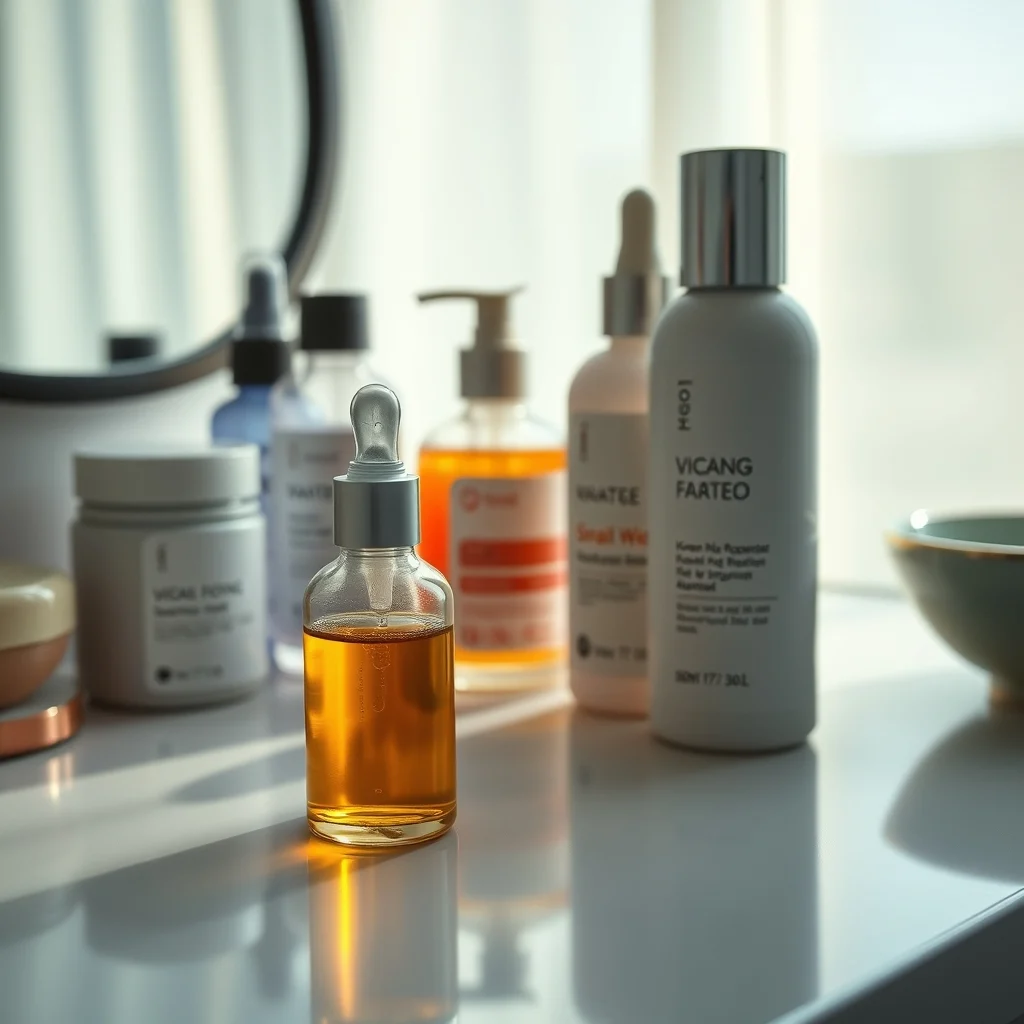
In the past decade, the global beauty industry has witnessed a seismic shift driven by the rise of authentic Korean skincare, a movement that transcends traditional beauty norms to prioritize hydration, prevention, and a holistic approach to skin health. Unlike Western skincare routines that often focus on quick fixes or aggressive treatments, Korean skincare—often referred to as K-beauty—emphasizes a layered, methodical process designed to achieve long-term radiance. This phenomenon is not merely a trend but a cultural export that has redefined beauty standards worldwide, with the K Glow Guide serving as a foundational blueprint for millions seeking luminous, healthy skin.
Korean skincare’s ascent began in the early 2010s, when products like BB creams and sheet masks gained traction in Western markets. By 2015, the industry had exploded, with South Korea’s beauty exports surpassing $2.6 billion annually, according to data from the Korea Customs Service. Today, the global K-beauty market is projected to reach $13.9 billion by 2027, per Statista, fueled by a combination of innovative formulations, social media influence, and a growing demand for gentle yet effective skincare solutions. The movement’s appeal lies in its adaptability—whether through the 10 Step K Beauty Ritual or simplified routines like the Seven Skin Method, Korean skincare caters to diverse skin types and concerns, from acne-prone to aging skin.
The Historical Roots and Cultural Foundations of K-Beauty
The origins of Korean skincare trace back centuries, rooted in traditional Eastern medicine and a cultural emphasis on skin as a reflection of overall well-being. Historical records from the Joseon Dynasty (1392–1910) document the use of natural ingredients like ginseng, green tea, and rice water to maintain youthful, clear skin. These practices were not merely cosmetic but deeply intertwined with Confucian ideals of self-care and discipline. By the 20th century, South Korea’s rapid industrialization and technological advancements allowed these traditional methods to evolve into the sophisticated, science-backed routines we recognize today.
The modern K-beauty industry took shape in the 1980s and 1990s, with brands like Amorepacific and LG Household & Health Care pioneering research into fermented ingredients and hydrating formulas. The 2000s marked a turning point, as Korean pop culture—particularly K-pop and K-dramas—catapulted the country’s beauty standards into the global spotlight. Stars like BTS and Blackpink became unofficial ambassadors for K-beauty, with their flawless, dewy complexions sparking curiosity and demand for the products behind their glow.
Core Techniques and Innovations Defining K-Beauty
At the heart of Korean skincare are techniques designed to maximize hydration, repair the skin barrier, and prevent damage before it occurs. One of the most iconic methods is the Double Cleansing Method, which involves using an oil-based cleanser followed by a water-based one to thoroughly remove impurities without stripping the skin. This approach is particularly effective for urban dwellers exposed to pollution and makeup, as it ensures a clean canvas for subsequent products.
Another cornerstone is the Seven Skin Method, a hydration-boosting technique where a lightweight toner is applied in seven layers to saturate the skin with moisture. This method leverages the principle of chok chok—a Korean term describing plump, bouncy skin—and is especially popular among those with dry or dehydrated skin. For those seeking targeted treatments, Korean ampoule layering allows users to customize their routine by applying concentrated serums in a specific order, addressing concerns like hyperpigmentation or fine lines.
Innovative ingredients have also set K-beauty apart. Snail mucin, once a niche ingredient, is now a staple in products like COSRX’s Advanced Snail 96 Mucin Power Essence, praised for its reparative and anti-inflammatory properties. Similarly, Centella Asiatica, a herb known for its soothing effects, has become a go-to for sensitive or irritated skin. Fermented ingredients, such as galactomyces (derived from sake fermentation), are another hallmark of K-beauty, offering enhanced absorption and efficacy compared to their non-fermented counterparts.
Quantitative Impact: Market Growth and Consumer Behavior
The global embrace of K-beauty is reflected in hard data. A 2023 report by Grand View Research found that the Asia-Pacific region dominates the K-beauty market, accounting for over 60% of global revenue, with South Korea leading as the largest exporter. The United States and Europe follow closely, driven by millennial and Gen Z consumers who prioritize skincare over makeup. A survey by NPD Group revealed that 42% of U.S. women aged 18–34 have incorporated at least one K-beauty product into their routine, citing hydration and gentle formulations as key motivators.
Social media has played a pivotal role in this growth. Platforms like TikTok and Instagram are flooded with tutorials on the Glass Skin Routine and Honey Skin Trend, with hashtags like #KBeauty and #GlassSkin amassing billions of views. Influencers and dermatologists alike have contributed to the movement’s credibility, with figures like Hyram Yarbro and Dr. Dray endorsing products like Korean rice water toner and propolis glow serums. However, the rapid proliferation of trends has also led to misinformation, with some consumers adopting overly complex routines without understanding their skin’s specific needs.
| Metric | 2018 | 2020 | 2023 | Projected 2027 |
|---|---|---|---|---|
| Global K-Beauty Market Value (USD Billion) | 7.2 | 9.8 | 12.1 | 13.9 |
| South Korea’s Beauty Exports (USD Billion) | 2.1 | 2.6 | 3.4 | 4.2 |
| U.S. K-Beauty Market Growth (YoY) | 12% | 18% | 22% | 15% |
Stakeholder Perspectives: Industry, Dermatology, and Consumer Voices
The K-beauty industry is shaped by a diverse array of stakeholders, each with distinct priorities and concerns. For brands, the challenge lies in balancing innovation with accessibility. “Korean skincare is built on a foundation of research and development,” says Dr. Sangwoo Park, Chief Scientific Officer at Amorepacific. “Our goal is to democratize these innovations, making them available to a global audience without compromising on quality or efficacy.” However, the rapid pace of product launches has also led to concerns about sustainability, with critics pointing to excessive packaging and the environmental impact of fast beauty.
Dermatologists offer a mixed perspective on K-beauty’s efficacy. While many praise its emphasis on hydration and barrier repair, others caution against overcomplicating routines. “The 10 Step K Beauty Ritual can be beneficial for some, but it’s not a one-size-fits-all solution,” notes Dr. Joyce Park, a board-certified dermatologist based in New York. “Layering too many products can lead to irritation, especially for those with sensitive skin. The key is customization.”
Consumers, meanwhile, are driving demand for transparency and inclusivity. A 2022 survey by McKinsey found that 68% of K-beauty consumers prioritize brands that disclose ingredient sourcing and ethical practices. This shift has prompted brands like Innisfree and The Face Shop to highlight their use of Jeju Island botanicals and sustainable packaging. “I switched to K-beauty because I was tired of products that dried out my skin,” says Priya Mehta, a 28-year-old marketing professional from London. “But I also want to support brands that align with my values, whether it’s cruelty-free testing or eco-friendly initiatives.”
Systemic Impacts: Cultural, Economic, and Regulatory Shifts
The global popularity of K-beauty has had far-reaching implications beyond the beauty industry. Economically, it has positioned South Korea as a leader in innovation, with the government actively supporting the sector through initiatives like the “K-Beauty Globalization Strategy,” launched in 2019. This plan aims to double the country’s beauty exports by 2025, with a focus on emerging markets in Southeast Asia and the Middle East.
Culturally, K-beauty has challenged Western beauty standards, which have long prioritized matte, pore-less skin. The glass skin and honey skin trends, characterized by dewy, luminous complexions, have inspired a shift toward more natural, “no-makeup” makeup looks. This change is particularly evident in the rise of Korean hydrogel masks and water cream hydration products, which cater to a growing desire for skin that looks healthy, not just flawless.
Regulatory frameworks have also evolved to keep pace with the industry’s growth. In 2021, South Korea’s Ministry of Food and Drug Safety (MFDS) introduced stricter guidelines for functional cosmetics, requiring brands to provide clinical data for claims related to anti-aging or whitening. Similarly, the European Union has tightened regulations on ingredients like propolis and snail mucin, ensuring they meet safety standards for consumers. These measures reflect a broader trend toward accountability, as regulators seek to protect consumers from misleading marketing and unsafe products.
Emerging Trends and Future Tractions
As K-beauty continues to evolve, several trends are poised to shape its future. One of the most significant is the rise of fermented skincare, which leverages the benefits of probiotics and prebiotics to support the skin’s microbiome. Brands like Neogen and Missha have already launched fermented lines, with studies suggesting these ingredients can improve hydration and reduce inflammation. Another emerging trend is the focus on slugging K-beauty style, a technique where a thin layer of petroleum jelly is applied as the final step in a routine to lock in moisture—a method particularly popular in colder climates.
Personalization is also becoming a key differentiator. With advancements in AI and machine learning, brands are increasingly offering customized skincare solutions tailored to individual skin concerns. For example, Attenir’s AI-powered skin analysis tool provides users with a personalized routine based on factors like climate, lifestyle, and genetic predispositions. This shift toward hyper-personalization reflects a broader industry movement away from generic solutions and toward targeted, data-driven care.
Looking ahead, the K-beauty industry faces both opportunities and challenges. The growing demand for clean beauty and sustainability presents an opportunity for brands to innovate with eco-friendly packaging and ethically sourced ingredients. However, the industry must also navigate geopolitical tensions, such as trade disputes between South Korea and China, which could disrupt supply chains. Additionally, the rise of counterfeit products—particularly in online marketplaces—poses a threat to brand reputation and consumer trust. According to a 2023 report by the OECD, counterfeit cosmetics account for nearly 6% of global trade in the beauty sector, with K-beauty products being among the most frequently targeted.
The next frontier for K-beauty may lie in its ability to merge tradition with cutting-edge technology. Ingredients like ginseng, long revered in Korean medicine for its anti-aging properties, are now being incorporated into high-tech formulations like ginseng anti-aging routines that combine ancient wisdom with modern science. Similarly, the use of Jeju Island botanicals—such as volcanic water and camellia flowers—highlights the industry’s commitment to harnessing local resources for global appeal. As consumers continue to seek out products that are both effective and ethically produced, K-beauty’s ability to adapt will determine its longevity in an increasingly competitive market.
For those looking to incorporate K-beauty into their routine, the key is to start with the basics: a gentle cleanser, a hydrating toner, and a moisturizer suited to your skin type. From there, techniques like the double cleansing method or ampoule layering can be introduced gradually, allowing the skin to adjust without overwhelming it. Whether the goal is achieving glass skin or simply maintaining a healthy complexion, the principles of K-beauty—hydration, prevention, and patience—offer a roadmap to radiant skin that transcends borders and trends.
You may also like
-
The Comprehensive Dynamics of the Glass Skin Routine: Korea’s Luminous Skincare Philosophy and Its Global Scientific Validation
-
The Layered Logic of Korean Skincare: A Systematic Breakdown of Customization, Hydration, and Skin-Specific Radiance Strategies
-
K-Beauty’s Gentle Barrier Protection: A Multidimensional Framework for Skin Resilience and Long-Term Health
-
The Strategic Evolution of the Seven Skin Method: Korea’s Layered Hydration Revolution and Its Scientific Foundations in Modern Skincare
-
Seoul’s K-Beauty Frontier: A Comprehensive Analysis of the Micro Spicule Tech Trend and Its Scientific, Cultural, and Market Implications