
Introduction
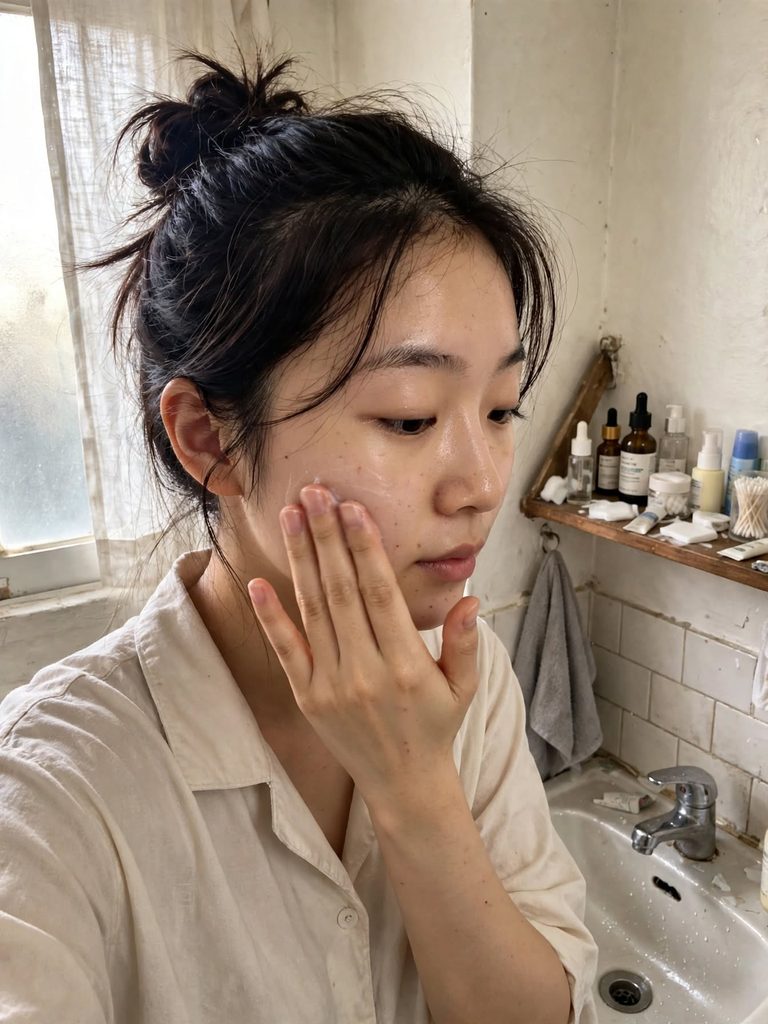
South Korea has become one of the world’s most influential beauty destinations, transforming how people approach skincare through innovative formulations, sophisticated ingredients, and distinctive beauty philosophies. From luminous glass skin to advanced skin barrier treatments, Korean beauty continues to inspire consumers seeking healthier-looking, radiant complexions.
The popularity of Korean skincare trends goes beyond attractive packaging and viral social media campaigns. These innovations reflect a broader philosophy that prioritizes prevention, hydration, consistency, and long-term skin health rather than relying exclusively on quick cosmetic fixes.
Another fascinating aspect is the industry’s willingness to experiment. Fermented ingredients, microbiome-friendly formulations, lightweight sunscreens, and multifunctional treatments are continually reshaping modern beauty routines.
Whether someone is a dedicated skincare enthusiast or a beginner exploring Korean beauty for the first time, understanding these emerging trends can make product selection considerably easier.
Here are 10 Korean skincare innovations attracting attention and influencing beauty routines worldwide.
1. Glass Skin: The Pursuit of a Radiant Complexion
Glass skin remains one of the most recognizable concepts associated with Korean beauty. The term describes a complexion that appears exceptionally smooth, hydrated, translucent, and luminous, almost resembling polished glass.
Achieving this appearance is less about applying layers of makeup and more about maintaining consistent skincare habits.
The philosophy emphasizes hydration, gentle exfoliation, and strengthening the skin barrier. Ingredients such as hyaluronic acid, glycerin, niacinamide, and ceramides are frequently incorporated into glass skin routines.
A typical regimen might include a hydrating toner, lightweight serum, moisturizer, and daily sunscreen.
The objective is simple: healthy-looking skin with a naturally dewy finish.
2. Skin Barrier Protection
Another important development among Korean skincare trends is the growing emphasis on maintaining the skin barrier.
The skin barrier acts as a protective interface between the body and its surrounding environment. It helps retain moisture while limiting exposure to potential irritants and external aggressors.
When compromised, the skin may become dry, irritated, sensitive, or more susceptible to discomfort.
Korean skincare brands increasingly emphasize formulations containing barrier-supporting ingredients, including:
- Ceramides to support the skin’s protective lipid structure.
- Panthenol to help soothe and maintain hydration.
- Centella asiatica to support skin comfort.
- Cholesterol and fatty acids to complement barrier lipids.
Rather than pursuing aggressive exfoliation or excessive product layering, this approach encourages consumers to prioritize skin resilience.
Sometimes, a simpler routine delivers more practical benefits than an elaborate collection of treatments.
3. PDRN Skincare: The Emerging Beauty Ingredient
PDRN, short for polydeoxyribonucleotide, has attracted considerable attention in the Korean beauty industry.
Traditionally associated with regenerative medicine and dermatological applications, PDRN is now appearing in cosmetic formulations, particularly serums, creams, and ampoules.
Some formulations use DNA-derived ingredients obtained from salmon sources, although alternative sourcing and manufacturing approaches also exist.
PDRN-based skincare is marketed around skin conditioning, hydration, and the appearance of healthier-looking skin. However, evidence supporting the effectiveness of topical cosmetic formulations remains more limited than evidence associated with certain medical applications.
Consumers should distinguish between topical skincare products and professional dermatological procedures.
Nevertheless, the ingredient represents an interesting example of how biotechnology is influencing contemporary Korean beauty innovation.
4. Double Cleansing for Thorough Makeup Removal
Double cleansing is a longstanding Korean skincare practice that continues to attract international interest.
The method involves using two different cleansing products to remove makeup, sunscreen, excess sebum, and accumulated impurities.
The first step typically involves an oil-based cleanser or cleansing balm. This helps dissolve oil-soluble substances, including waterproof makeup and sunscreen.
The second step uses a water-based facial cleanser to remove remaining residue and surface impurities.
Why is this approach popular?
Because effective cleansing helps prepare the skin for subsequent skincare products without requiring excessive scrubbing.
However, double cleansing is not mandatory for everyone. People who wear minimal makeup or use easily removable sunscreen may find a single gentle cleanser sufficient.
The objective should always be effective cleansing without disrupting the skin barrier.
5. Fermented Skincare Ingredients
Fermentation is another fascinating innovation influencing Korean skincare formulations.
This process uses microorganisms to transform ingredients into different compounds. In cosmetics, fermented botanical materials and yeast-derived ingredients are incorporated into various essences, serums, and moisturizers.
Popular examples include:
- Galactomyces ferment filtrate.
- Bifida ferment lysate.
- Fermented rice extracts.
- Lactobacillus-derived ingredients.
These ingredients are commonly marketed for hydration, skin conditioning, and improving the appearance of skin texture.
Fermentation can also influence an ingredient’s chemical composition and formulation characteristics.
However, fermented ingredients are not universally suitable for everyone. Individuals with sensitive skin should introduce new products gradually and monitor their reactions.
6. Centella Asiatica for Sensitive Skin
Centella asiatica, commonly known as cica or gotu kola, has become a recognizable ingredient in Korean skincare.
This botanical extract is particularly popular in soothing creams, serums, toners, and barrier-supporting treatments.
Its appeal comes from its association with skin comfort and its naturally occurring compounds, including madecassoside, asiaticoside, and asiatic acid.
Centella-based products are frequently marketed toward people experiencing redness, irritation, or dryness.
For individuals with sensitive skin, lightweight cica formulations may provide a useful addition to a gentle skincare routine.
Nevertheless, botanical ingredients can still trigger allergic reactions in certain individuals. Checking the complete ingredient list remains important.
7. Skin Cycling and Minimalist Skincare Routines
The traditional perception that effective skincare requires numerous products is gradually changing.
A growing number of consumers are embracing simplified routines that focus on essential products and carefully scheduled treatments.
Skin cycling is one approach that organizes active ingredients across different evenings, allowing periods of recovery between treatments.
A typical routine may involve:
- First evening: Exfoliating treatment.
- Second evening: Retinoid treatment.
- Third evening: Recovery and hydration.
- Fourth evening: Recovery and hydration.
The cycle then repeats according to individual tolerance.
This approach can help people avoid introducing too many potentially irritating active ingredients simultaneously.
However, skin cycling is not a universal requirement. Beginners and individuals with sensitive skin may benefit from a simpler routine before introducing exfoliating acids or retinoids.
Consistency remains more important than complexity.
8. Innovative Korean Sunscreens
Korean sunscreens have become internationally recognized for their sophisticated textures and comfortable application.
Many formulations emphasize lightweight consistency, minimal white cast, and a pleasant finish that works well underneath makeup.
Common product formats include:
- Lightweight sunscreen lotions.
- Hydrating sunscreen essences.
- Matte-finish sunscreens.
- Sunscreen sticks for convenient reapplication.
- Tinted sunscreen formulations.
Modern Korean sunscreen development also highlights the importance of combining effective UV protection with cosmetic elegance.
Broad-spectrum SPF 30 or higher remains an important daily skincare essential. Reapplication is necessary during prolonged outdoor exposure, especially after swimming, sweating, or towel drying.
The most suitable sunscreen is one that provides appropriate protection and feels comfortable enough to use consistently.
9. Overnight Sleeping Masks
Sleeping masks have become popular among consumers looking for convenient nighttime skincare treatments.
Unlike traditional wash-off masks, overnight sleeping masks are designed to remain on the skin while someone sleeps.
Their formulations commonly include humectants, emollients, and barrier-supporting ingredients that help maintain moisture overnight.
Some products also incorporate niacinamide, botanical extracts, or ceramides.
The appeal is straightforward: a single additional skincare step can provide a more intensive moisturizing experience without requiring a complicated routine.
Sleeping masks are particularly appealing for people experiencing temporary dryness or environmental dehydration.
However, they should complement rather than replace essential skincare products such as moisturizers and sunscreen.
10. Personalized Skincare Solutions
Perhaps the most significant direction in modern Korean beauty is the movement toward personalized skincare.
Consumers are becoming increasingly interested in products that address their specific skin conditions rather than purchasing whatever happens to be trending.
This approach considers several factors:
- Individual skin type.
- Hydration requirements.
- Sensitivity and ingredient tolerance.
- Environmental conditions.
- Specific concerns such as acne, pigmentation, and uneven texture.
Some beauty companies are also exploring digital skin analysis, artificial intelligence-assisted recommendations, and customized formulations.
These technologies can make product discovery more convenient, although digital assessments should not be treated as medical diagnoses.
The underlying philosophy is that skincare should accommodate individual differences rather than promote a universal routine.
How to Incorporate Korean Skincare Trends Into Your Routine
Exploring every new beauty innovation can become expensive and unnecessarily complicated.
Instead, begin with a practical routine that addresses your most important skin concerns.
| Routine step | Recommended product | Main purpose |
|---|---|---|
| Morning | Gentle cleanser | Remove overnight impurities |
| Morning | Hydrating serum | Support skin hydration |
| Morning | Moisturizer | Maintain the skin barrier |
| Morning | SPF 30+ sunscreen | Protect against UV radiation |
| Evening | Oil or gentle cleanser | Remove sunscreen and makeup |
| Evening | Water-based cleanser | Cleanse remaining impurities |
| Evening | Targeted treatment | Address individual concerns |
| Evening | Moisturizer | Support overnight hydration |
Introduce new ingredients individually rather than purchasing an entire collection at once.
Remember that not every viral product will suit every complexion.
Final Thoughts
The influence of Korean skincare trends continues to reshape the global beauty industry through innovative ingredients, sophisticated formulations, and a more thoughtful approach to skin health.
From glass skin and fermented ingredients to PDRN serums, barrier-focused treatments, and personalized routines, these developments demonstrate how Korean beauty continues to evolve.
However, following every trend is unnecessary. The most effective skincare routine is one that addresses individual concerns, supports the skin barrier, and remains sustainable over time.
Ultimately, healthy-looking skin is not achieved through an impressive product collection. It comes from informed decisions, suitable formulations, and consistent daily care.
For additional information about skincare ingredients, sun protection, and dermatological care, explore:
- American Academy of Dermatology – Skin Care Basics
- U.S. Food and Drug Administration – Cosmetics
- National Center for Biotechnology Information – PubMed
More about K-Beauty Routine for Busy People: Effortless Glow in Minutes
You may also like
-
The Comprehensive Dynamics of the Glass Skin Routine: Korea’s Luminous Skincare Philosophy and Its Global Scientific Validation
-
The Layered Logic of Korean Skincare: A Systematic Breakdown of Customization, Hydration, and Skin-Specific Radiance Strategies
-
K-Beauty’s Gentle Barrier Protection: A Multidimensional Framework for Skin Resilience and Long-Term Health
-
The Strategic Evolution of the Seven Skin Method: Korea’s Layered Hydration Revolution and Its Scientific Foundations in Modern Skincare
-
Seoul’s K-Beauty Frontier: A Comprehensive Analysis of the Micro Spicule Tech Trend and Its Scientific, Cultural, and Market Implications