
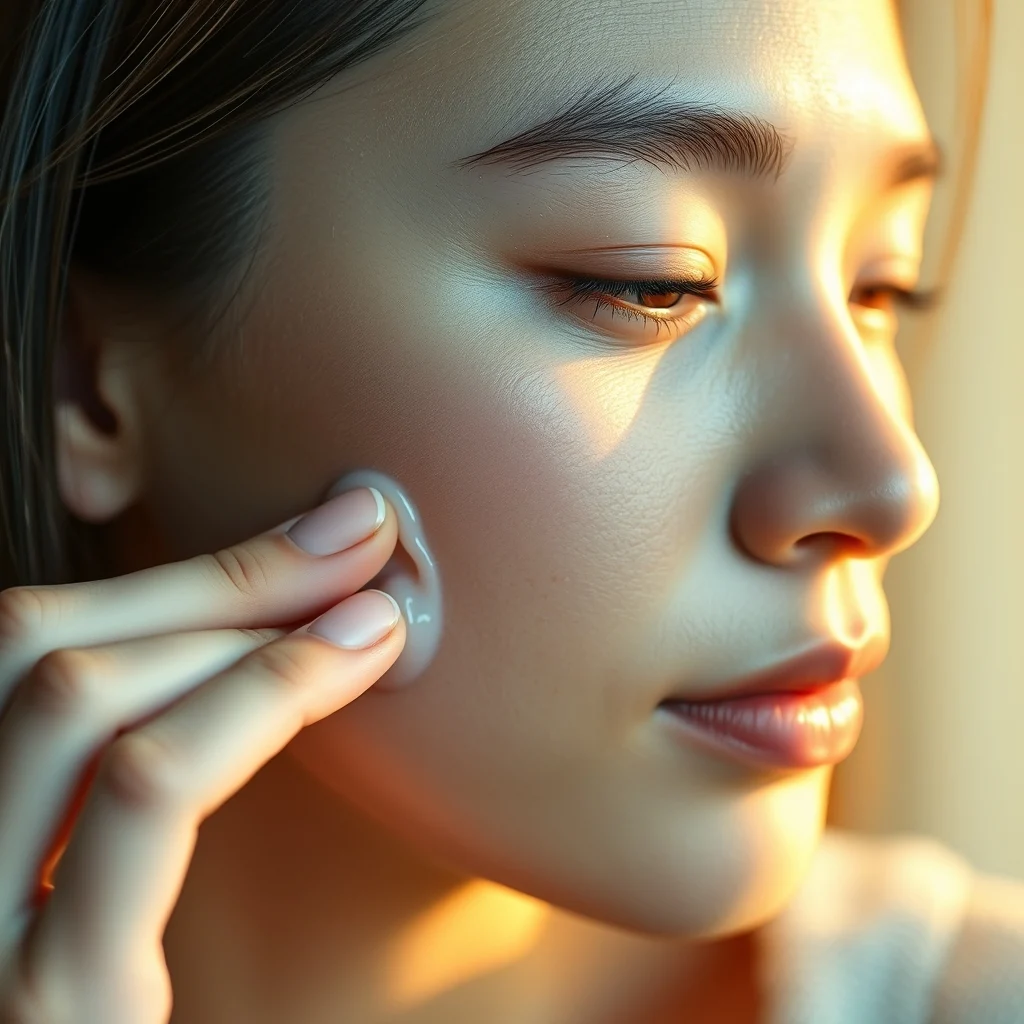
If your skin feels tight, stings after cleansing, or turns red at the slightest provocation, you’re not alone. Many people with sensitive skin struggle to find products that soothe rather than irritate—until they discover the power of Korean skincare ingredients. Unlike aggressive treatments that strip the skin’s natural defenses, K-beauty focuses on strengthening the moisture barrier, calming inflammation, and delivering hydration without compromise. The result? Skin that looks balanced, feels comfortable, and resists flare-ups over time.
Why a Barrier-First Approach Matters
Sensitive skin often reacts poorly to harsh ingredients because its protective barrier is already compromised. When this barrier is weak, irritants penetrate more easily, leading to redness, itching, or breakouts. Korean skincare prioritizes repairing this barrier with gentle, nourishing ingredients that work in harmony with the skin’s natural functions. Think of it as reinforcing a shield rather than attacking the problem with force.
Ingredients like ceramides, cholesterol, and fatty acids are staples in this approach. They mimic the skin’s natural lipids, helping to lock in moisture and keep irritants out. Over time, this reduces sensitivity and improves resilience, so your skin can handle more without reacting negatively.
Hydration Without Irritation: The Best Ingredients for Sensitive Skin
Not all hydrating ingredients are created equal—especially for sensitive skin. Some humectants, like glycerin, are universally gentle, while others, like certain alcohols or fragrances, can trigger reactions. Korean skincare favors ingredients that hydrate *and* soothe simultaneously, such as:
- Hyaluronic Acid: A moisture magnet that plumps the skin without clogging pores or causing irritation. It’s lightweight, fast-absorbing, and works well even for the most reactive skin types.
- Panthenol (Provitamin B5): This ingredient calms redness and strengthens the skin’s barrier while providing deep hydration. It’s often found in toners and serums designed for sensitive or compromised skin.
- Centella Asiatica (Cica): A powerhouse for soothing inflammation and accelerating healing. It’s particularly effective for skin that’s prone to redness or irritation from environmental stressors.
These ingredients are often layered together in a routine to maximize their benefits without overwhelming the skin.
Calming Inflammation: The Role of Anti-Redness Actives
Redness and irritation are common complaints for sensitive skin, but they don’t have to be permanent. Korean skincare ingredients like green tea extract, licorice root, and allantoin target inflammation at its source, reducing visible redness and discomfort. Green tea, for example, is rich in antioxidants that neutralize free radicals while soothing the skin. Licorice root brightens and calms, making it ideal for skin that’s prone to blotchiness.
For best results, look for products that combine these actives with hydrating ingredients. A serum with centella asiatica and hyaluronic acid, for instance, can address both redness and dehydration in one step. This multi-tasking approach is a hallmark of K-beauty, ensuring that every product serves a purpose without overloading the skin.
Simplifying Your Routine: Less Is More for Sensitive Skin
One of the biggest mistakes people with sensitive skin make is overcomplicating their routine. Layering too many products or using harsh exfoliants can backfire, leading to more irritation. Instead, focus on a minimalist approach with a few high-quality products that target your specific concerns. A basic routine might include:
- A gentle, fragrance-free cleanser.
- A hydrating toner with soothing ingredients like panthenol or cica.
- A serum with barrier-repairing actives (ceramides, cholesterol).
- A lightweight moisturizer to seal everything in.
This streamlined approach reduces the risk of irritation while still delivering visible results. It’s also easier to identify which products work best for your skin when you’re not juggling a dozen at once.
Ingredients to Avoid If You Have Sensitive Skin
Not all popular skincare ingredients are suitable for sensitive skin. Some common culprits include:
- Alcohol (Denatured or SD Alcohol): While not all alcohols are bad, these types can dry out and irritate sensitive skin. Opt for fatty alcohols like cetyl alcohol, which are moisturizing instead.
- Fragrance: Even natural fragrances can cause reactions. Look for products labeled “fragrance-free” rather than “unscented,” as the latter may still contain masking fragrances.
- Essential Oils: While they may smell great, essential oils like citrus or peppermint can be irritating, especially for reactive skin.
- Physical Exfoliants: Scrubs with rough particles can cause micro-tears in sensitive skin. If you exfoliate, opt for gentle chemical exfoliants like lactic acid instead.
Reading ingredient labels carefully can help you avoid these potential triggers and keep your skin calm and happy.
How to Introduce New Products Without Causing a Reaction
Even the gentlest products can cause a reaction if introduced too quickly. To minimize the risk, patch-test new products before applying them to your face. Apply a small amount to your inner arm or behind your ear and wait 24-48 hours to see if any redness or irritation develops. If your skin tolerates it, introduce the product into your routine gradually—start with once or twice a week and increase frequency as your skin adjusts.
It’s also helpful to introduce one new product at a time. This way, if your skin reacts, you’ll know exactly which product is the culprit. Patience is key when building a routine for sensitive skin, but the payoff—a calmer, more resilient complexion—is worth the wait.
Your skin doesn’t have to feel like a battlefield. By focusing on barrier repair, hydration, and gentle actives, you can create a routine that soothes rather than stresses. Start with a few key products, listen to your skin’s needs, and adjust as you go. Over time, you’ll find the balance that works for you, and your skin will thank you for it.
You may also like
-
Korean Skincare Ingredients Explained: A Beginner’s Guide to Glowing Skin This Week
-
Korean Skincare Ingredients Explained: A Peptide & Regenerative Actives Deep Dive
-
Korean Skincare Ingredients Explained: A Budget-Friendly Guide to Radiant Skin
-
Korean Skincare Ingredients Explained: A Beginner’s Step-by-Step Guide
-
Korean Skincare Ingredients Explained: A Barrier-First Guide for Dry & Sensitive Skin