
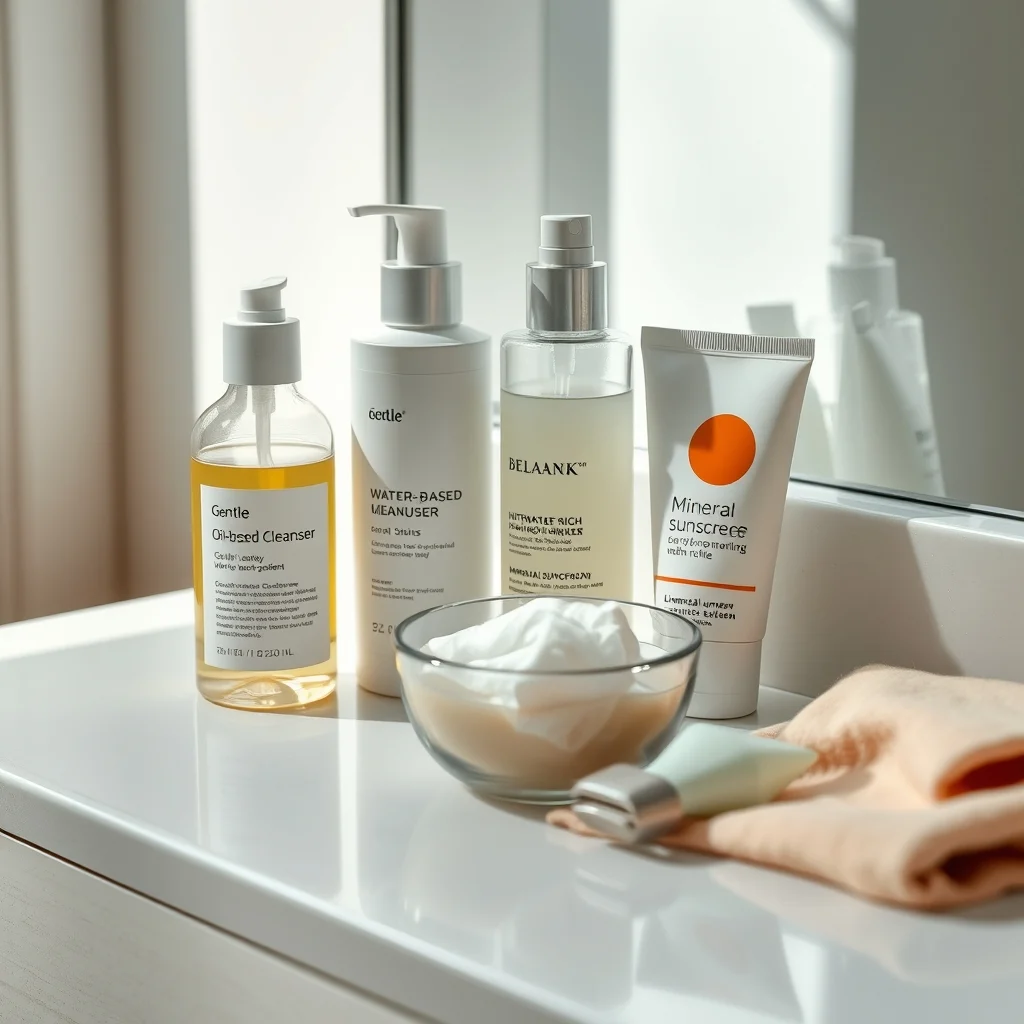
If your skin feels tight, stings after applying products, or turns red at the slightest change in weather, you’re not alone. Many people struggle with dry and sensitive skin that reacts to even the gentlest formulas. A K-Beauty routine guide designed specifically for delicate skin can help restore balance, strengthen your moisture barrier, and bring back a calm, healthy glow—without irritation.
Understand Your Skin’s Barrier
The outermost layer of your skin acts like a shield, locking in moisture and keeping out irritants. When this barrier is compromised, sensitivity flares up, leading to discomfort and uneven texture. A barrier-first K-Beauty routine focuses on repairing and protecting this layer before introducing active ingredients.
Look for products with ceramides, cholesterol, and fatty acids—these components mimic your skin’s natural lipids and help rebuild its protective structure. Avoid harsh exfoliants or alcohol-based toners, as they can strip away essential moisture and worsen sensitivity.
Start with a Gentle Double Cleanse
Cleansing is the foundation of any skincare routine, but for sensitive skin, it’s crucial to do it right. A gentle double cleanse removes impurities without disrupting your skin’s pH balance. Begin with an oil-based cleanser to dissolve sunscreen and sebum, followed by a hydrating, low-pH water-based cleanser.
Opt for formulas with soothing ingredients like green tea, centella asiatica, or panthenol. These help calm inflammation while ensuring your skin feels clean, not tight or dry. Massage in circular motions to boost circulation without tugging at delicate areas.
Layer Hydration with a Skinimalism Approach
Less is more when your skin is sensitive. Instead of piling on multiple products, focus on a few high-quality, multi-functional items that deliver hydration and protection. Start with a lightweight, alcohol-free toner to prep your skin, followed by an essence or serum packed with humectants like hyaluronic acid or glycerin.
Avoid overloading your skin with too many layers. A single, well-formulated serum can often replace two or three products, reducing the risk of irritation. If your skin feels particularly dry, seal everything in with a fragrance-free, ceramide-rich moisturizer.
Prioritize Soothing and Repairing Ingredients
Sensitive skin thrives on ingredients that reduce redness and support healing. Centella asiatica, also known as cica, is a K-Beauty staple for its anti-inflammatory and wound-healing properties. It helps strengthen the skin barrier while soothing irritation.
Other calming ingredients to look for include madecassoside, allantoin, and propolis. These work together to reduce sensitivity and improve resilience over time. If your skin is prone to redness, avoid products with essential oils or strong fragrances, as they can trigger reactions.
Protect with a Mineral Sunscreen
Sun protection is non-negotiable, especially for sensitive skin. UV rays can worsen irritation and accelerate moisture loss, making your skin more reactive. A mineral sunscreen with zinc oxide or titanium dioxide provides broad-spectrum protection without the risk of stinging or clogging pores.
Choose a lightweight, non-greasy formula that layers well under makeup. If your skin is extremely dry, opt for a sunscreen with added hydrating ingredients like aloe vera or squalane. Apply it as the final step in your morning routine, and reapply every two hours if you’re spending time outdoors.
Listen to Your Skin’s Needs
Sensitive skin can change with the seasons, stress levels, or even diet. Pay attention to how your skin reacts to products and adjust your routine accordingly. If a product causes stinging, redness, or breakouts, stop using it immediately and give your skin time to recover.
Patch-test new products before applying them to your face. Apply a small amount to your inner arm or behind your ear and wait 24 hours to check for any adverse reactions. This simple step can save you from unnecessary irritation and help you build a routine that truly works for your skin.
Building a K-Beauty routine for sensitive skin isn’t about following trends—it’s about creating a personalized regimen that nurtures and protects. Start with gentle, barrier-supporting products, and let your skin’s comfort guide your choices. Over time, you’ll notice fewer flare-ups, improved hydration, and a complexion that looks and feels healthier. If you’re unsure where to begin, explore trusted resources like the American Academy of Dermatology for additional guidance on caring for sensitive skin.
You may also like
-
K-Beauty Routine Guides: A Barrier-First, Skinimalism Approach for Healthy Skin
-
K-Beauty Routine Guides: A Beginner’s Step-by-Step to Glowing Skin
-
Routine K-Beauty untuk Pemula: Mulai dengan Langkah Mudah Menuju Kulit Sehat
-
Routine K-Beauty untuk Pemula: Cara Mudah Menuju Kulit Sehat dan Cerah
-
K-Beauty Routine Guides: Common Mistakes to Avoid for Flawless Skin