
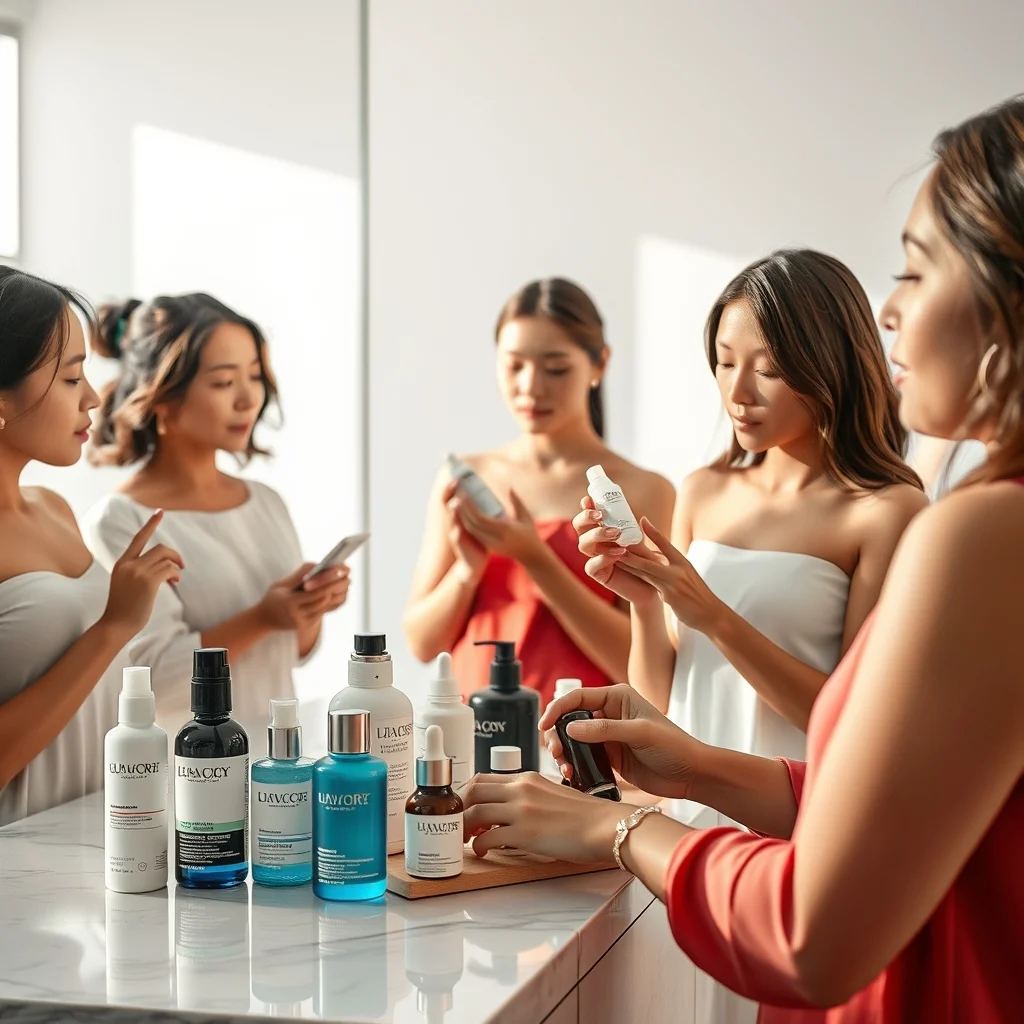
In 2024, the global skincare industry is witnessing a fundamental shift toward hydration-centric regimens, driven by the rapid adoption of Korean beauty principles. This movement, often referred to as the “Skin Hydration First” philosophy, prioritizes moisture retention and barrier integrity over transient aesthetic enhancements. The trend has gained traction across North America, Europe, and Southeast Asia, with market data from Euromonitor International indicating a 23% year-over-year increase in sales of hydrating serums and essences in 2023. Dermatologists, beauty chemists, and consumers are recalibrating their approaches, moving away from abrasive exfoliation and drying actives toward gentle, multi-layered hydration techniques. The shift is not merely product-driven but reflects a broader cultural reevaluation of skincare as a long-term health practice rather than a cosmetic quick fix.
The Skin Hydration First paradigm emerged in South Korea during the early 2010s, coinciding with the global expansion of K-beauty. Its foundational premise is rooted in the understanding that dehydrated skin accelerates aging, exacerbates sensitivity, and undermines the efficacy of subsequent treatments. Unlike Western skincare traditions that historically emphasized cleansing and exfoliation, Korean dermatology has long emphasized the acid mantle—the skin’s protective lipid barrier—as the cornerstone of resilience. This approach was formalized in clinical studies conducted by the Korean Dermatological Association in 2015, which demonstrated that impaired barrier function correlated with increased transepidermal water loss (TEWL) and heightened susceptibility to environmental stressors. The findings catalyzed a wave of innovation, with brands like COSRX, Laneige, and Dr. Jart+ developing formulations designed to mimic the skin’s natural moisturizing factors (NMFs).
The Historical Evolution of Hydration-Centric Skincare
The emphasis on hydration in Korean skincare is not a recent phenomenon but the culmination of decades of dermatological research and cultural practices. The timeline below outlines key milestones in the development of the Skin Hydration First philosophy:
- 1960s-1970s: Post-war South Korea saw the rise of basic skincare routines focused on cleansing and toning, often using harsh soaps and astringent alcohol-based products. Hydration was an afterthought, limited to simple glycerin-based lotions.
- 1980s: The introduction of hanbang (traditional Korean medicine) ingredients like ginseng and green tea in skincare marked the first integration of holistic, nourishing elements. Brands such as Sulwhasoo began exploring the concept of skin vitality, though hydration remained secondary to anti-aging claims.
- 1990s: The advent of the 10-step Korean skincare routine gained popularity domestically, with hydration-focused steps like essences and sheet masks becoming staples. The term “glass skin”—referring to a luminous, dewy complexion—entered the lexicon, signaling a cultural shift toward moisture as a status symbol.
- 2000s: Clinical research on the skin barrier gained momentum. A 2002 study published in the Journal of Investigative Dermatology by Korean researchers demonstrated that ceramides, cholesterol, and fatty acids were critical to maintaining barrier integrity. This period saw the rise of “skin flooding” techniques, where multiple hydrating layers were applied to saturate the epidermis.
- 2010s-Present: The global K-beauty boom propelled hydration-centric products into mainstream markets. Innovations like hyaluronic acid-infused toners, fermented essences, and lipid-replenishing moisturizers became industry standards. A 2019 report by Mintel highlighted that 68% of South Korean women prioritized hydration over anti-aging in their skincare routines, a statistic that influenced Western brands to reformulate their offerings.
The Science of Layered Hydration: Mechanics and Methodologies
The Skin Hydration First approach operates on the principle of intentional product layering, where each step serves a distinct physiological function. The process begins with non-stripping cleansing, typically using low-pH, surfactant-free formulas that preserve the skin’s natural oils. This is followed by the application of humectants, occlusives, and emollients in a specific sequence to maximize absorption and retention.
Humectants like hyaluronic acid, glycerin, and panthenol draw water into the stratum corneum from the dermis and the environment. However, without subsequent layers, these ingredients can paradoxically increase TEWL by pulling moisture from deeper skin layers. To counteract this, occlusives such as squalane, beeswax, or dimethicone are applied to form a protective seal. Emollients like ceramides and fatty acids fill the gaps between skin cells, restoring pliability and reducing flakiness. A 2021 study in the International Journal of Cosmetic Science found that layering a humectant followed by an occlusive increased skin hydration by 47% compared to using either ingredient alone.
Dr. Sarah Lee, a dermatologist at Seoul National University Hospital, explains the rationale behind this methodology: “The skin’s barrier is not a static structure but a dynamic interface that requires constant nourishment. Layered hydration mimics the skin’s natural lipid matrix, which is composed of ceramides, cholesterol, and free fatty acids in a 3:1:1 ratio. When we disrupt this balance through aggressive cleansing or single-ingredient treatments, we compromise the skin’s ability to retain moisture and defend against pathogens.”
Quantitative Impact: Market Data and Consumer Behavior
The adoption of hydration-first skincare has had measurable effects on the global beauty market. The table below compares key metrics from 2018 and 2023, illustrating the growth and shifting priorities within the industry:
| Metric | 2018 | 2023 | % Change |
|---|---|---|---|
| Global sales of hydrating serums/essences (USD billion) | 3.2 | 7.8 | +144% |
| Consumer preference for hydration over anti-aging (Asia-Pacific) | 52% | 71% | +19% |
| Google search interest for “skin barrier repair” (global) | 100 (indexed) | 420 | +320% |
| Sales of alcohol-based toners (USD billion) | 1.5 | 0.8 | -47% |
| Dermatologist recommendations for gentle cleansers (North America) | 34% | 65% | +31% |
The data underscores a broader cultural shift toward preventive skincare. A 2023 survey by NielsenIQ revealed that 63% of Gen Z consumers in the U.S. now view skincare as a form of self-care, with hydration being the most cited priority. This demographic’s influence has prompted legacy brands like Estée Lauder and Clinique to reformulate their best-selling products, reducing alcohol content and increasing hydrating actives. For instance, Clinique’s Moisture Surge line, originally launched in 1991, was updated in 2022 to include hyaluronic acid and aloe vera, reflecting the new hydration-first ethos.
However, the trend has also sparked debates about accessibility and efficacy. Critics argue that the multi-step nature of Korean hydration routines can be time-consuming and costly, with a full regimen often exceeding $200 per month. Dr. Michelle Wong, a cosmetic chemist and science educator, cautions against oversimplification: “While layered hydration is scientifically sound, it’s not a one-size-fits-all solution. Skin types vary, and what works for a 25-year-old with combination skin may not suit a 50-year-old with mature, dry skin. The key is customization, not dogma.”
Systemic Impacts: Dermatology, Industry, and Cultural Shifts
The Skin Hydration First movement has had far-reaching implications beyond product sales. In dermatology, the focus on barrier repair has led to a decline in prescriptions for topical steroids, which were historically overused to treat conditions like eczema and rosacea. A 2022 study in the Journal of the American Academy of Dermatology found that patients who adopted hydration-focused routines experienced a 30% reduction in flare-ups compared to those using traditional steroid treatments. This shift has prompted medical schools in South Korea and the U.S. to revise their curricula, incorporating barrier science into foundational dermatology courses.
Industrially, the trend has accelerated the development of “clean clinical” formulations, which combine evidence-based actives with minimalist ingredient lists. Brands are investing in biotechnology to create sustainable alternatives to traditional hydrating agents. For example, Amyris, a synthetic biology company, has partnered with K-beauty brands to produce squalane from sugarcane fermentation, reducing reliance on shark liver oil. This innovation aligns with the growing consumer demand for ethical and eco-conscious skincare, as highlighted in a 2023 report by McKinsey & Company, which found that 72% of skincare consumers now consider sustainability a key purchasing factor.
Culturally, the hydration-first philosophy has intersected with broader wellness movements, blurring the lines between skincare and mental health. The concept of “emotional skin connection”—the idea that skin health is intrinsically linked to psychological well-being—has gained traction. A 2023 study by the University of California, San Francisco, found that individuals who engaged in mindful skincare rituals reported lower stress levels and improved self-esteem. This has led to the rise of “skincare as therapy” programs in South Korea, where dermatologists collaborate with psychologists to address conditions like acne-induced anxiety.
Yet, the movement is not without its detractors. Some industry veterans argue that the emphasis on hydration has led to an oversaturation of similar products, with brands prioritizing marketing over innovation. Dr. Joshua Zeichner, director of cosmetic and clinical research at Mount Sinai Hospital, notes: “The market is flooded with hyaluronic acid serums, but not all are created equal. Consumers need to be educated about molecular weight, concentration, and delivery systems to make informed choices. The hydration-first narrative risks becoming a buzzword if it’s not backed by rigorous science.”
Stakeholder Perspectives: Conflicting Priorities and Future Trajectories
The Skin Hydration First paradigm has elicited diverse responses from key stakeholders, each with distinct priorities and concerns:
- Dermatologists: While most dermatologists endorse the focus on barrier repair, opinions diverge on execution. Some advocate for a minimalist approach, emphasizing that over-layering can lead to product pilling and reduced efficacy. Others argue that the 10-step routine, when tailored to individual needs, can be transformative. Dr. Jenny Liu, a board-certified dermatologist, states: “The goal isn’t to follow a rigid routine but to understand the function of each layer. For some, a three-step process—cleanser, hydrating serum, moisturizer—may be sufficient. For others, additional steps like essences or facial oils can provide incremental benefits.”
- Beauty Brands: Established K-beauty brands view the hydration-first trend as an opportunity to expand their global footprint. Newer entrants, however, face challenges in differentiating their products in a crowded market. Startups are turning to niche ingredients like snow mushroom (a natural alternative to hyaluronic acid) and birch sap to stand out. Meanwhile, Western brands are playing catch-up, with many acquiring K-beauty companies or launching sub-brands to tap into the trend. L’Oréal’s acquisition of the Korean brand Stylenanda in 2018 and its subsequent launch of the Youth Code hydration line exemplify this strategy.
- Consumers: Consumer responses are polarized. Proponents of the hydration-first approach praise its long-term benefits, citing improvements in skin texture, reduced sensitivity, and a more even complexion. A 2023 survey by Reddit’s r/SkincareAddiction community found that 78% of respondents who adopted a hydration-focused routine reported visible improvements within three months. However, skeptics argue that the trend is elitist, with high-end products often priced out of reach for average consumers. The rise of dupe culture—where affordable brands replicate high-end formulations—has mitigated this to some extent, but concerns about accessibility persist.
- Regulators: Regulatory bodies are grappling with the influx of hydration-focused products, particularly those making medical claims. In 2023, the U.S. Food and Drug Administration (FDA) issued warning letters to several brands for marketing moisturizers as “barrier repair treatments” without sufficient evidence. The European Union has taken a stricter stance, banning terms like “clinically proven” unless supported by peer-reviewed studies. These regulatory pressures are pushing brands to invest in clinical trials, though the process is costly and time-consuming.
The future of the Skin Hydration First movement hinges on several pending variables. Upcoming regulatory changes, such as the FDA’s proposed overhaul of cosmetic labeling laws, could require brands to provide more transparent ingredient disclosures, potentially reshaping consumer trust. Technological advancements, including the development of smart skincare devices that measure hydration levels in real-time, may further personalize routines. Additionally, the growing intersection of skincare and wellness is likely to spur innovations in psychodermatology, where mental health professionals and dermatologists collaborate to address the emotional dimensions of skin health. As the market evolves, the challenge will be balancing scientific rigor with accessibility, ensuring that the benefits of hydration-first skincare are not confined to a privileged few but become a universal standard for long-term skin health.
You may also like
-
The Comprehensive Dynamics of the Glass Skin Routine: Korea’s Luminous Skincare Philosophy and Its Global Scientific Validation
-
The Layered Logic of Korean Skincare: A Systematic Breakdown of Customization, Hydration, and Skin-Specific Radiance Strategies
-
K-Beauty’s Gentle Barrier Protection: A Multidimensional Framework for Skin Resilience and Long-Term Health
-
The Strategic Evolution of the Seven Skin Method: Korea’s Layered Hydration Revolution and Its Scientific Foundations in Modern Skincare
-
Seoul’s K-Beauty Frontier: A Comprehensive Analysis of the Micro Spicule Tech Trend and Its Scientific, Cultural, and Market Implications