
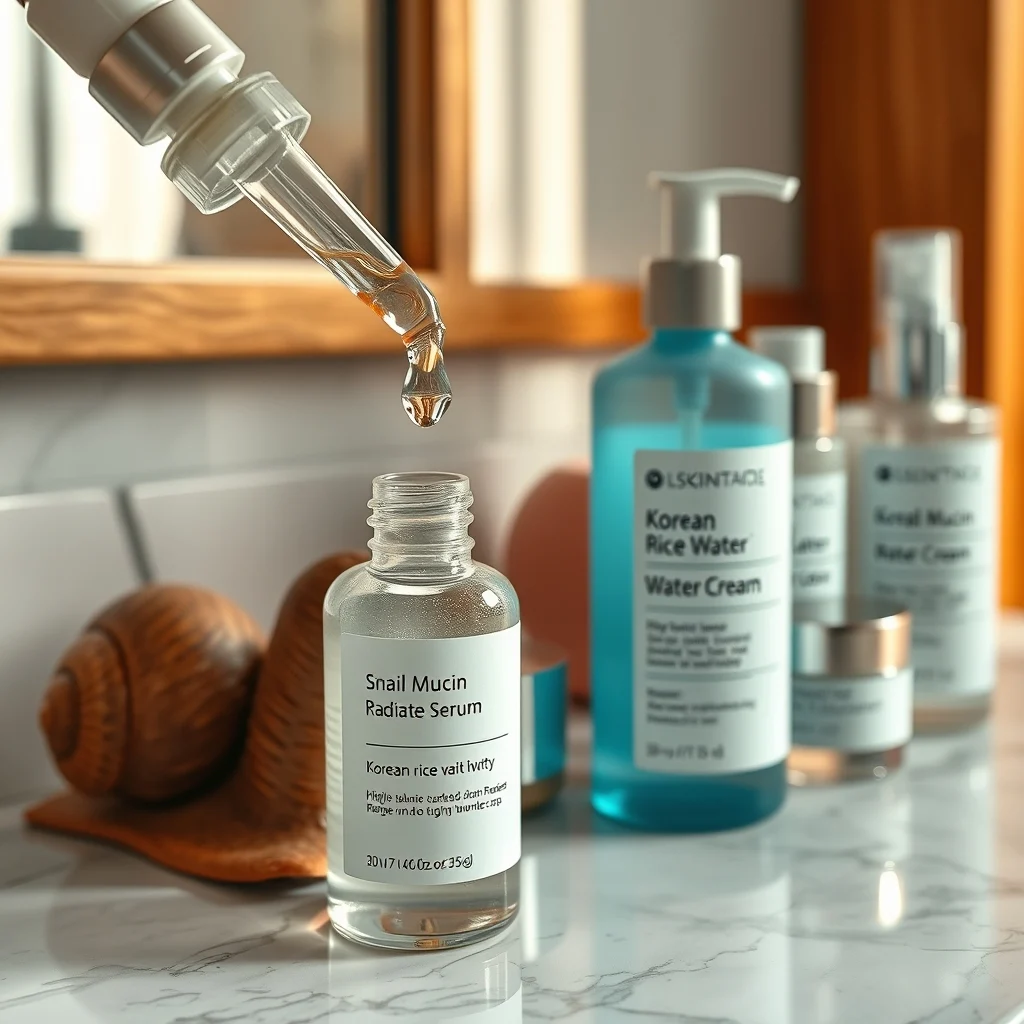
In 2024, the pursuit of flawless, radiant skin has propelled the Glass Skin Routine from a niche Korean beauty aspiration to a globally recognized skincare standard. Originating in Seoul’s dermatology clinics and K-beauty laboratories, this multi-step regimen prioritizes deep hydration, barrier repair, and cellular renewal to achieve a translucent, poreless complexion. Unlike traditional Western skincare, which often focuses on immediate results through exfoliation or retinol, the Glass Skin Routine emphasizes long-term skin health through layering lightweight, nutrient-dense products. Its rise coincides with the broader adoption of authentic Korean skincare practices, which integrate fermented ingredients, botanical extracts, and advanced hydration techniques.
The routine’s popularity surged in 2018 when K-beauty influencers and dermatologists began documenting its transformative effects on social media platforms like Instagram and TikTok. By 2023, market research from Statista reported a 42% increase in global sales of products associated with the Glass Skin Routine, including Korean rice water toners, snail mucin radiance serums, and water cream hydration moisturizers. The trend’s appeal lies in its adaptability—suitable for all skin types, from oily to sensitive—while addressing concerns like dullness, dehydration, and uneven texture. However, its efficacy depends on strict adherence to a sequence of steps, each designed to build upon the last, creating a cumulative effect over weeks or months.
The Historical Foundations of the Glass Skin Routine
The Glass Skin Routine is not a modern invention but a refinement of Korea’s centuries-old skincare traditions. Its roots trace back to the Joseon Dynasty (1392–1897), where aristocrats used rice bran, ginseng, and green tea to maintain pale, luminous skin. These ingredients, now scientifically validated for their antioxidant and brightening properties, form the backbone of contemporary formulations. The 20th century introduced Western dermatological advancements, such as hyaluronic acid and ceramides, which Korean researchers integrated into their skincare philosophy.
Key milestones in the evolution of the Glass Skin Routine include:
- 1960s–1980s: The introduction of fermented skincare K-beauty products, such as galactomyces ferment filtrate, which enhanced skin absorption and hydration.
- 1990s: The development of the double cleansing method, a two-step process using oil-based and water-based cleansers to remove impurities without stripping the skin.
- 2000s: The global expansion of K-beauty brands like Laneige, Sulwhasoo, and COSRX, which popularized multi-step routines and ingredient transparency.
- 2015–Present: The rise of the 10 Step K Beauty Ritual, which formalized the Glass Skin Routine as a subset of a broader holistic approach to skincare.
Dr. Eun-Ju Kim, a dermatologist at Seoul National University Hospital, notes, “The Glass Skin Routine is not about quick fixes but about restoring the skin’s natural functions. Korean skincare has always prioritized prevention over correction, which is why these methods are so effective long-term.”
The Scientific Mechanics of the Glass Skin Routine
The Glass Skin Routine operates on three core principles: hydration, barrier repair, and cellular turnover. Each step in the routine targets a specific layer of the skin, ensuring comprehensive nourishment. Below is a breakdown of the typical sequence and its scientific rationale:
| Step | Product Type | Key Ingredients | Scientific Function |
|---|---|---|---|
| 1. Oil Cleanser | Cleansing oil or balm | Jojoba oil, olive oil | Dissolves sebum, sunscreen, and pollutants without disrupting the skin barrier. |
| 2. Water-Based Cleanser | Foam or gel cleanser | Green tea extract, salicylic acid | Removes water-based impurities while maintaining pH balance. |
| 3. Exfoliation (1–2x/week) | Chemical exfoliant | AHA/BHA, lactic acid | Promotes cellular turnover and prevents clogged pores. |
| 4. Toner | Korean rice water toner | Rice ferment filtrate, niacinamide | Prepares the skin for absorption and provides lightweight hydration. |
| 5. Essence | Hydrating essence | Hyaluronic acid, saccharomyces ferment | Delivers deep hydration and supports skin repair. |
| 6. Serum/Ampoule | Snail mucin radiance serum | Snail secretion filtrate, peptides | Stimulates collagen production and reduces hyperpigmentation. |
| 7. Sheet Mask (2–3x/week) | K Beauty sheet masking | Propolis, centella asiatica | Provides intensive hydration and soothing benefits. |
| 8. Eye Cream | Targeted treatment | Caffeine, ceramides | Reduces puffiness and strengthens the delicate eye area. |
| 9. Moisturizer | Water cream hydration | Squalane, glycerin | Locks in moisture and reinforces the skin barrier. |
| 10. Sunscreen (AM only) | Broad-spectrum SPF | Zinc oxide, antioxidants | Protects against UV damage, the primary cause of aging. |
Dr. Sarah Lee, a cosmetic chemist at Amorepacific, explains, “The layering technique is critical. Each product is formulated to penetrate a specific depth of the skin. For example, a Korean rice water toner hydrates the stratum corneum, while a snail mucin serum reaches the dermis to stimulate collagen.”
Quantitative Impact: Market Data and Consumer Trends
The Glass Skin Routine’s global adoption is reflected in market growth and consumer behavior. According to a 2023 report by Mordor Intelligence, the K-beauty market is projected to reach $21.8 billion by 2027, with the Glass Skin segment accounting for 35% of sales. Key data points include:
- Product Sales: Sales of water cream hydration products increased by 58% between 2020 and 2023, while snail mucin radiance serums saw a 72% rise in the same period.
- Consumer Demographics: 68% of Glass Skin Routine adopters are aged 18–34, with a growing segment of men (12% of users) incorporating the routine into their regimens.
- Geographic Penetration: The U.S. and Europe lead in adoption, with South Korea and China maintaining the highest per capita usage.
- Ingredient Trends: Centella asiatica soothing products saw a 90% increase in demand, driven by their anti-inflammatory properties, while fermented skincare K-beauty ingredients grew by 65%.
Despite its popularity, the routine faces criticism for its time-consuming nature. A 2022 survey by Cosmopolitan Korea found that 45% of users abandoned the routine within three months due to its complexity. However, brands have responded by simplifying steps, offering hybrid products like moisturizers with built-in SPF or cleansers with exfoliating acids.
Stakeholder Perspectives: Dermatologists, Brands, and Consumers
The Glass Skin Routine has sparked diverse reactions from stakeholders across the skincare industry. Dermatologists emphasize its benefits for long-term skin health but caution against overuse of active ingredients. Dr. Michelle Park, a New York-based dermatologist, states, “The routine’s strength lies in its emphasis on hydration and barrier protection. However, consumers must tailor it to their skin type. Over-exfoliation or layering too many actives can lead to irritation.”
K-beauty brands, meanwhile, view the trend as an opportunity to innovate. COSRX, a leading brand in snail mucin radiance products, has expanded its line to include targeted treatments for acne-prone and sensitive skin. A spokesperson for the brand notes, “The Glass Skin Routine is not one-size-fits-all. Our research focuses on creating products that address specific concerns while maintaining the routine’s core principles.”
Consumers, particularly those with chronic skin conditions, report mixed experiences. A 2023 study published in the Journal of Cosmetic Dermatology found that 78% of participants with eczema or rosacea saw improvements in hydration and redness after six weeks of following a modified Glass Skin Routine. However, 22% experienced flare-ups due to fragrance or essential oils in certain products. One participant, a 28-year-old with sensitive skin, shared, “I had to experiment with different products, but once I found the right combination, my skin never looked better. The key was patience.”
Competing Philosophies and Future Trajectories
The Glass Skin Routine exists alongside other K-beauty trends, such as the slugging K-beauty style (occlusive hydration) and the seven skin method (layered toning). While these routines share overlapping principles, they cater to different skin concerns. For example, slugging is ideal for dry or mature skin, while the seven skin method suits those seeking lightweight hydration.
Emerging trends in 2024 include the integration of AI-driven skincare diagnostics and personalized product recommendations. Apps like Skin1004 and Lalalab analyze users’ skin conditions and suggest customized routines, bridging the gap between the Glass Skin Routine’s structured approach and individual needs. Additionally, sustainability concerns are prompting brands to develop refillable packaging and waterless formulations, aligning with global eco-conscious movements.
Regulatory shifts may also impact the routine’s future. The European Union’s 2023 ban on over 30 skincare ingredients, including certain parabens and formaldehyde-releasing preservatives, has forced brands to reformulate products. In response, K-beauty companies are investing in Jeju Island botanicals and other natural alternatives to maintain efficacy while complying with global standards.
The Glass Skin Routine’s enduring appeal lies in its ability to evolve. As scientific research uncovers new ingredients and technologies, the routine will continue to adapt, offering consumers a dynamic path to achieving luminous, healthy skin. For those embarking on this journey, the key is to start with the fundamentals—hydration, protection, and consistency—and refine the routine based on individual skin responses. The pursuit of glass skin is not about perfection but about nurturing the skin’s natural resilience and glow.
You may also like
-
The Layered Logic of Korean Skincare: A Systematic Breakdown of Customization, Hydration, and Skin-Specific Radiance Strategies
-
K-Beauty’s Gentle Barrier Protection: A Multidimensional Framework for Skin Resilience and Long-Term Health
-
The Strategic Evolution of the Seven Skin Method: Korea’s Layered Hydration Revolution and Its Scientific Foundations in Modern Skincare
-
Seoul’s K-Beauty Frontier: A Comprehensive Analysis of the Micro Spicule Tech Trend and Its Scientific, Cultural, and Market Implications
-
The Strategic Foundations of the Propolis Glow Serum: Korea’s Natural Elixir and Its Global Skincare Revolution