
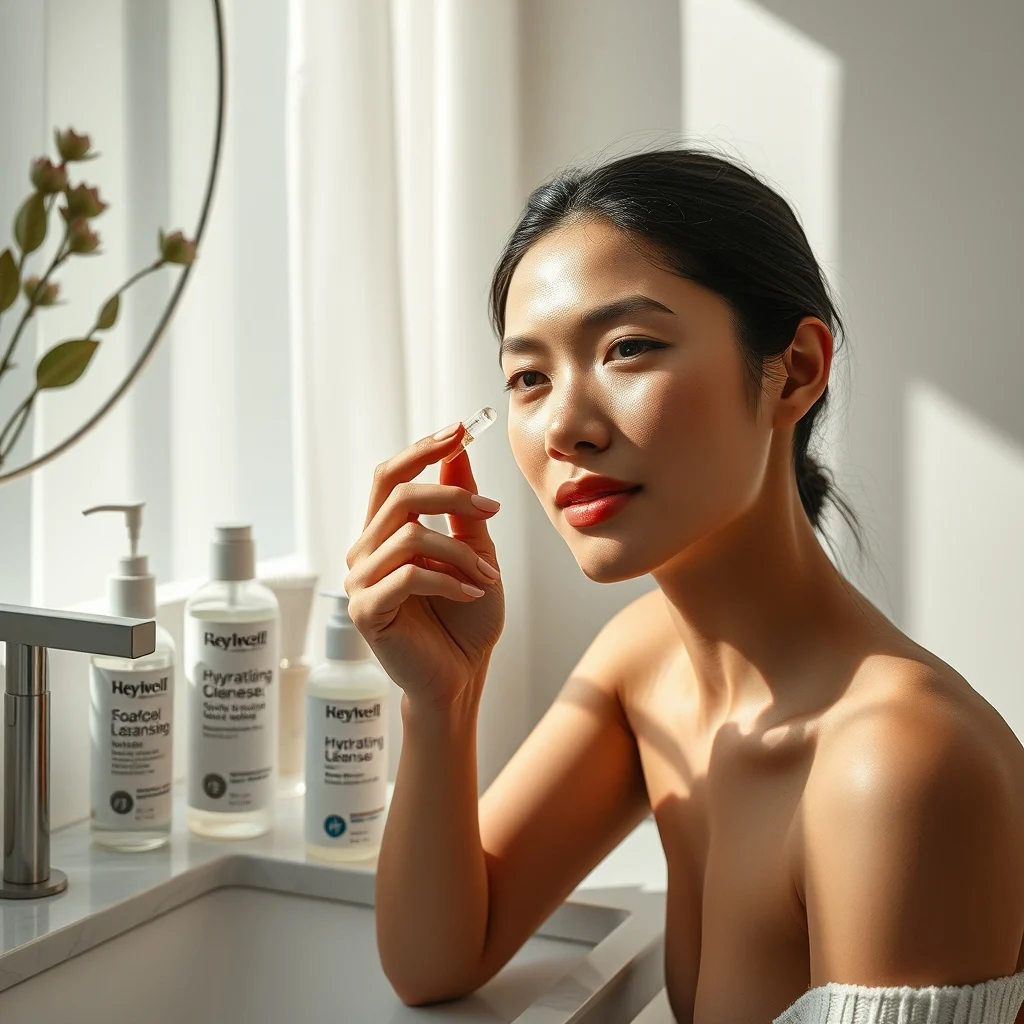
In 2024, the global skincare industry is witnessing a paradigm shift as consumers increasingly adopt the Slow Skincare Mindset, a philosophy rooted in Korean beauty (K-Beauty) traditions but now influencing markets from Seoul to San Francisco. This movement prioritizes long-term skin health over immediate cosmetic results, emphasizing preventive care, gentle barrier protection, and holistic nourishment. The trend has gained traction amid rising awareness of skin inflammation, environmental stressors, and the limitations of quick-fix solutions. While K-Beauty pioneered this approach, its principles are now being integrated into Western dermatological practices, product formulations, and consumer education campaigns. The shift is driven by a confluence of factors: scientific research validating the efficacy of preventive skincare, social media amplification of skin longevity rituals, and a backlash against aggressive treatments that compromise the skin’s acid mantle.
The Slow Skincare Mindset is not a fleeting trend but a structural realignment in how individuals and industries approach skin health. Historically, skincare has oscillated between two extremes: reactive treatments for acute issues (e.g., acne, hyperpigmentation) and cosmetic enhancements (e.g., fillers, peels). K-Beauty disrupted this binary in the early 2010s by introducing multi-step routines focused on hydration, barrier repair, and gradual improvement. By 2020, the global K-Beauty market reached $13.1 billion, with a compound annual growth rate (CAGR) of 9.3%, according to Statista. The pandemic accelerated adoption as consumers, confined indoors, prioritized self-care and skin resilience. Today, the philosophy extends beyond product use to encompass mindful rituals, ingredient transparency, and emotional well-being, reflecting a broader cultural shift toward intentional living.
The Historical Trajectory: From K-Beauty Innovation to Global Adoption
The Slow Skincare Mindset traces its origins to South Korea’s dermatological traditions, where skin health has long been viewed as a reflection of overall well-being. Key milestones in its evolution include:
- Pre-2000s: Korean skincare was largely utilitarian, with a focus on herbal remedies and basic hydration. Brands like Sulwhasoo and Amorepacific laid the groundwork by emphasizing natural ingredients and preventive care.
- 2010-2015: The introduction of the 10-step K-Beauty routine popularized concepts like double cleansing, essence application, and sheet masks. Social media platforms, particularly Instagram and YouTube, amplified these practices globally. By 2015, K-Beauty exports to the U.S. surged by 40%, per the Korea Customs Service.
- 2016-2020: Western brands began adopting K-Beauty principles, with companies like Glossier and The Ordinary simplifying routines while retaining core tenets like hydration-first approaches. The term skinimalism emerged, advocating for fewer products but higher efficacy.
- 2021-Present: The Slow Skincare Mindset evolved into a holistic movement, integrating mental health, sustainability, and personalized care. Brands like Dr. Jart+ and Laneige expanded into wellness categories, while dermatologists endorsed preventive measures like sunscreen use and gentle exfoliation. A 2023 survey by Mintel found that 68% of U.S. skincare consumers now prioritize long-term complexion health over immediate results.
Operational Mechanics: How the Slow Skincare Mindset Functions
At its core, the Slow Skincare Mindset operates on three pillars: prevention, protection, and patience. Unlike traditional skincare, which often targets visible issues reactively, this approach focuses on maintaining skin health proactively. Key components include:
- Gentle Barrier Protection: The skin’s acid mantle—a thin, protective layer with a pH of 4.5-5.5—is critical for defending against pathogens and retaining moisture. Harsh cleansers and over-exfoliation disrupt this barrier, leading to inflammation and sensitivity. Brands like CeraVe and La Roche-Posay have reformulated products to include ceramides and hyaluronic acid, which reinforce the skin’s natural defenses.
- Preventive Korean Skincare: K-Beauty’s emphasis on preventive age-well mindset involves early intervention to delay signs of aging. Ingredients like niacinamide, peptides, and antioxidants are incorporated into daily routines to stimulate collagen production and neutralize free radicals. A 2022 study in the Journal of Cosmetic Dermatology found that consistent use of such ingredients reduced wrinkle depth by 25% over 12 months.
- Mindful Skincare Rituals: The movement encourages intentional product layering and non-stripping cleansing culture, where each step serves a purpose. For example, oil-based cleansers remove sunscreen and makeup without disrupting the skin’s pH, while toners prep the skin for subsequent hydration. This method contrasts with Western routines that often prioritize speed and convenience.
Dr. Joyce Park, a board-certified dermatologist and founder of Skin Refinery, explains the scientific rationale: “The Slow Skincare Mindset aligns with dermatological research showing that skin health is cumulative. A single aggressive treatment may yield temporary results, but consistent, gentle care builds resilience over time. This is why we’re seeing a decline in procedures like chemical peels among younger patients—they’re opting for preventive measures instead.”
Quantitative Data: Measuring the Movement’s Impact
The Slow Skincare Mindset has reshaped consumer behavior, market dynamics, and clinical practices. Key data points include:
| Metric | 2019 | 2022 | 2024 (Projected) | Source |
|---|---|---|---|---|
| Global K-Beauty Market Value | $10.2B | $13.1B | $16.5B | Statista |
| U.S. Consumers Prioritizing Long-Term Complexion Health | 45% | 62% | 68% | Mintel |
| Sales of Gentle Cleansers (YoY Growth) | 8% | 15% | 22% | NPD Group |
| Decline in Aggressive Skincare Treatments (e.g., Peels) | 5% | 12% | 18% | American Society for Dermatologic Surgery |
Consumer sentiment also reflects this shift. A 2023 report by McKinsey & Company found that 74% of Gen Z and Millennial skincare users now seek products with holistic skin nourishment benefits, such as stress reduction and improved sleep. This aligns with the emotional skin connection aspect of the movement, where skincare is viewed as a form of self-care rather than a chore.
Systemic Impacts: Industry, Environment, and Culture
The Slow Skincare Mindset has had far-reaching effects beyond individual routines. Key systemic impacts include:
- Industry Disruption: Traditional beauty brands are reformulating products to align with the movement’s principles. Estée Lauder, for instance, launched its Advanced Night Repair serum with a focus on deep cellular conditioning, while L’Oréal acquired the K-Beauty brand Stylenanda to tap into the preventive skincare market. The shift has also spurred innovation in sustainable packaging, with brands like Innisfree and Herbivore Botanicals adopting refillable containers and biodegradable materials.
- Environmental Considerations: The movement’s emphasis on skin health over quick fixes has reduced reliance on single-use products like sheet masks and wipes. A 2023 study by the Environmental Working Group (EWG) found that consumers adopting slow skincare routines generated 30% less plastic waste compared to those using traditional multi-product regimens. However, critics argue that the movement’s focus on multi-step routines can still contribute to overconsumption if not practiced mindfully.
- Cultural Shifts: The Slow Skincare Mindset has influenced broader cultural attitudes toward beauty and aging. In South Korea, where skincare is deeply ingrained in daily life, the movement has reinforced the idea that skin first, makeup second. This contrasts with Western beauty standards, which have historically prioritized makeup and cosmetic procedures. The global rise of skin positivity movements—celebrating natural textures and imperfections—further reflects this shift.
Dr. Elena Martinez, a cultural anthropologist specializing in beauty trends, notes: “The Slow Skincare Mindset is more than a skincare routine—it’s a cultural statement. It challenges the idea that beauty is about perfection and instead frames it as a journey of self-respect and patience. This resonates particularly with younger generations, who are redefining success beyond material achievements.”
Stakeholder Perspectives: Conflicts and Consensus
The Slow Skincare Mindset has elicited diverse reactions from stakeholders, each with distinct priorities and concerns.
- Dermatologists: Most dermatologists support the movement’s core principles, citing clinical evidence that preventive care reduces long-term damage. However, some caution against overcomplicating routines. Dr. Shereene Idriss, a New York-based dermatologist, warns: “While the Slow Skincare Mindset is scientifically sound, it’s not one-size-fits-all. Over-layering products can lead to irritation, especially for those with sensitive skin. The key is customization.”
- Beauty Brands: Established brands view the movement as an opportunity for innovation, while indie brands see it as a chance to disrupt the market. However, tensions arise over ingredient transparency. A 2023 investigation by the New York Times revealed that some brands mislabel products as “gentle” or “non-stripping” despite containing high concentrations of alcohol or fragrances. This has prompted calls for stricter regulatory oversight.
- Consumers: Adoption varies by demographic. Older consumers, accustomed to reactive skincare, may resist the time commitment required by multi-step routines. Younger consumers, however, embrace the movement’s holistic approach. A 2024 survey by Allure found that 60% of Gen Z skincare users incorporate mindful skincare rituals into their daily lives, such as meditation or journaling alongside their routines.
- Regulators: The U.S. Food and Drug Administration (FDA) and the European Commission have begun scrutinizing claims related to barrier protection and preventive skincare. In 2023, the FDA issued draft guidelines for non-prescription skincare products, requiring brands to substantiate claims with clinical data. This has led to a wave of reformulations, particularly among K-Beauty brands exporting to Western markets.
Sophia Kim, CEO of the K-Beauty brand Peach & Lily, offers a industry perspective: “The Slow Skincare Mindset is a natural evolution of K-Beauty’s core values. What started as a trend has become a global standard. The challenge now is ensuring that brands don’t dilute the message for profit. Authenticity and education are critical—consumers are savvy, and they can spot greenwashing from a mile away.”
The movement’s future hinges on several unresolved variables. Regulatory bodies are expected to finalize guidelines for skincare claims by 2025, which could reshape product formulations and marketing strategies. Meanwhile, the rise of AI-driven personalized skincare, such as apps that analyze skin conditions in real-time, may further refine the Slow Skincare Mindset by tailoring routines to individual needs. Market analysts predict that the global preventive skincare sector will grow at a CAGR of 11.2% through 2030, outpacing the broader beauty industry. As consumers continue to prioritize skin longevity rituals and holistic nourishment, the movement’s principles are likely to become even more deeply embedded in global beauty culture, blurring the lines between skincare, wellness, and self-care.
You may also like
-
The Comprehensive Dynamics of the Glass Skin Routine: Korea’s Luminous Skincare Philosophy and Its Global Scientific Validation
-
The Layered Logic of Korean Skincare: A Systematic Breakdown of Customization, Hydration, and Skin-Specific Radiance Strategies
-
K-Beauty’s Gentle Barrier Protection: A Multidimensional Framework for Skin Resilience and Long-Term Health
-
The Strategic Evolution of the Seven Skin Method: Korea’s Layered Hydration Revolution and Its Scientific Foundations in Modern Skincare
-
Seoul’s K-Beauty Frontier: A Comprehensive Analysis of the Micro Spicule Tech Trend and Its Scientific, Cultural, and Market Implications