
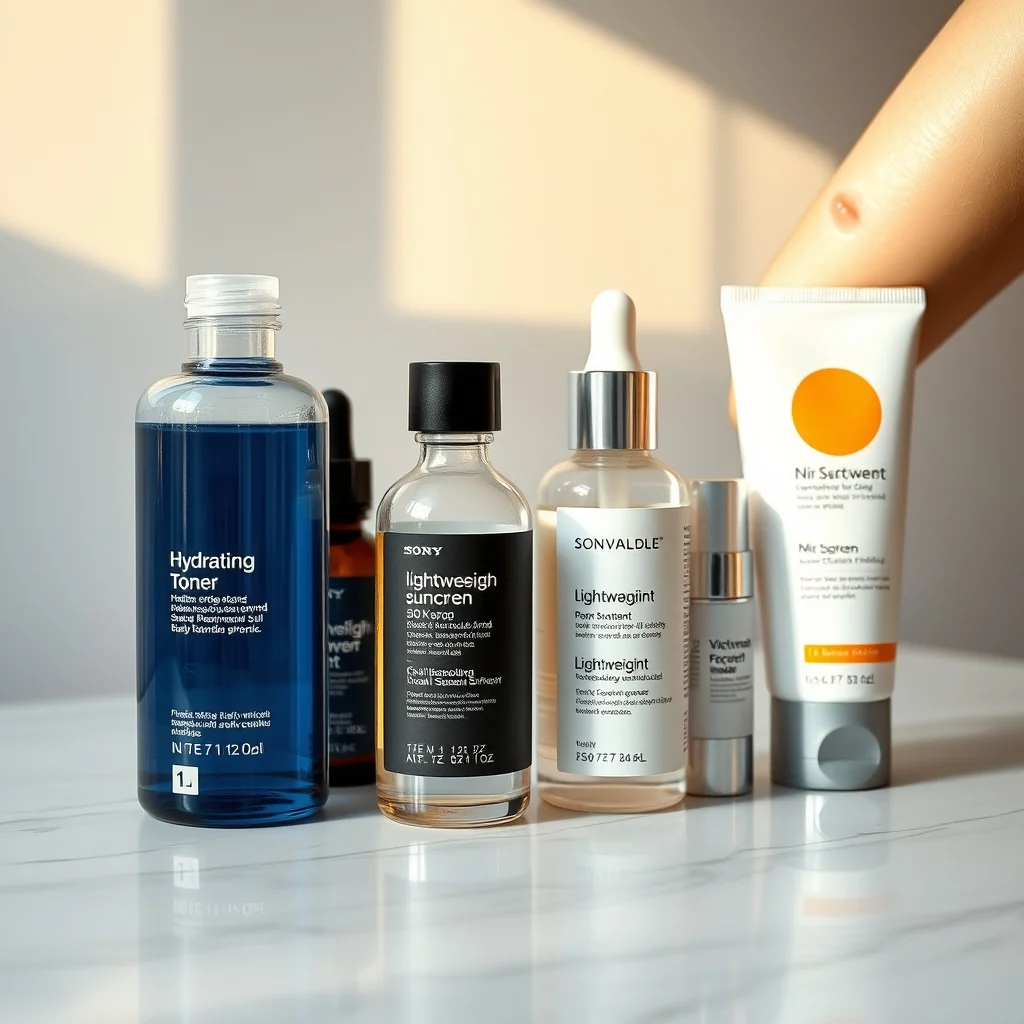
Korean skincare has taken the beauty world by storm, promising radiant, healthy skin with its innovative ingredients. Yet, despite its popularity, many people still make critical mistakes when incorporating Korean skincare ingredients into their routines. Whether it’s overloading on actives or misusing hydrating heroes, these errors can lead to irritation, breakouts, or wasted products. The good news? Avoiding these pitfalls is easier than you think—and your skin will thank you for it.
Mistake #1: Skipping Patch Tests for New Ingredients
One of the most common oversights in Korean skincare is diving headfirst into new products without patch testing. Many assume that because a product is labeled “gentle” or “for sensitive skin,” it won’t cause reactions. However, even natural ingredients like snail mucin or propolis can trigger irritation if your skin isn’t accustomed to them.
To avoid this, apply a small amount of the product behind your ear or on your inner arm and wait 24-48 hours. If redness, itching, or burning occurs, it’s a sign to proceed with caution—or skip it altogether. This simple step can save you from weeks of discomfort and wasted money on products that don’t suit your skin.
Mistake #2: Overloading on Exfoliants and Actives
Korean skincare is famous for its exfoliating acids like AHA, BHA, and PHA, as well as potent actives like retinol and vitamin C. While these ingredients are effective, using too many at once—or layering them incorrectly—can compromise your skin barrier. A damaged barrier leads to sensitivity, dryness, and even more breakouts.
Instead of using multiple exfoliants in one routine, stick to one type per session and limit use to 2-3 times a week. If you’re incorporating actives like retinol, introduce them gradually and always follow with a moisturizer to buffer potential irritation. Remember, consistency is key—not intensity.
Mistake #3: Misunderstanding Hydration vs. Moisturization
Many people confuse hydration with moisturization, assuming that a single lightweight serum or essence is enough to keep their skin plump and healthy. However, hydration and moisturization serve different purposes. Hydrating ingredients like hyaluronic acid draw water into the skin, while moisturizing ingredients like ceramides and squalane lock it in.
To get the best results, layer a hydrating essence or serum first, then seal it with a moisturizer. This two-step approach ensures your skin stays hydrated throughout the day without feeling greasy or weighed down. Skipping one or the other can leave your skin dehydrated or overly oily, depending on your skin type.
Mistake #4: Ignoring the Order of Application
The order in which you apply your skincare products can make or break their effectiveness. Many people apply their products haphazardly, not realizing that layering them incorrectly can prevent active ingredients from penetrating the skin. The general rule of thumb is to apply products from thinnest to thickest consistency.
Start with water-based products like toners and essences, followed by serums and ampoules, then finish with creams and oils. This ensures that each product can absorb properly and deliver its benefits. For example, applying a thick cream before a serum will create a barrier that prevents the serum from penetrating, rendering it ineffective.
Mistake #5: Expecting Instant Results
Korean skincare is often associated with dramatic transformations, but expecting overnight results is a recipe for disappointment. Many ingredients, like niacinamide or centella asiatica, work gradually to improve skin texture, tone, and hydration. Using a product once or twice and giving up because you don’t see immediate changes is a common mistake.
Give your skin at least 4-6 weeks to adjust to a new routine or ingredient. Track your progress with photos or notes to see how your skin improves over time. Patience is key—your skin’s health is a marathon, not a sprint.
Mistake #6: Not Adjusting for Seasonal Changes
Your skin’s needs change with the seasons, but many people stick to the same routine year-round. What works in humid summer months may not be enough in dry winter air, and vice versa. For example, a lightweight gel moisturizer might be perfect for summer but leave your skin parched in winter.
Pay attention to how your skin feels and adjust your routine accordingly. In colder months, opt for richer moisturizers and hydrating masks, while in warmer weather, switch to lighter textures and oil-free formulas. Listening to your skin’s needs will help you maintain a healthy, balanced complexion all year long.
Korean skincare ingredients are powerful tools for achieving healthy, glowing skin, but only when used correctly. By avoiding these common mistakes, you can create a routine that works for your skin’s unique needs without the trial-and-error frustration. Start small, be patient, and let your skin guide you—it’s the best way to unlock the full potential of K-beauty. For more information on safe skincare practices, visit the American Academy of Dermatology.
You may also like
-
Korean Skincare Ingredients Explained: A Barrier-First, Skinimalism Approach
-
Korean Skincare Ingredients Explained: Quick Tips for Busy People
-
Korean Skincare Ingredients Explained: A Peptide & Regenerative Actives Deep Dive
-
Korean Skincare Ingredients Explained: A Barrier-First, Skinimalism Approach
-
Korean Skincare Ingredients Explained: A Beginner’s Guide to Glass Skin 2.0