
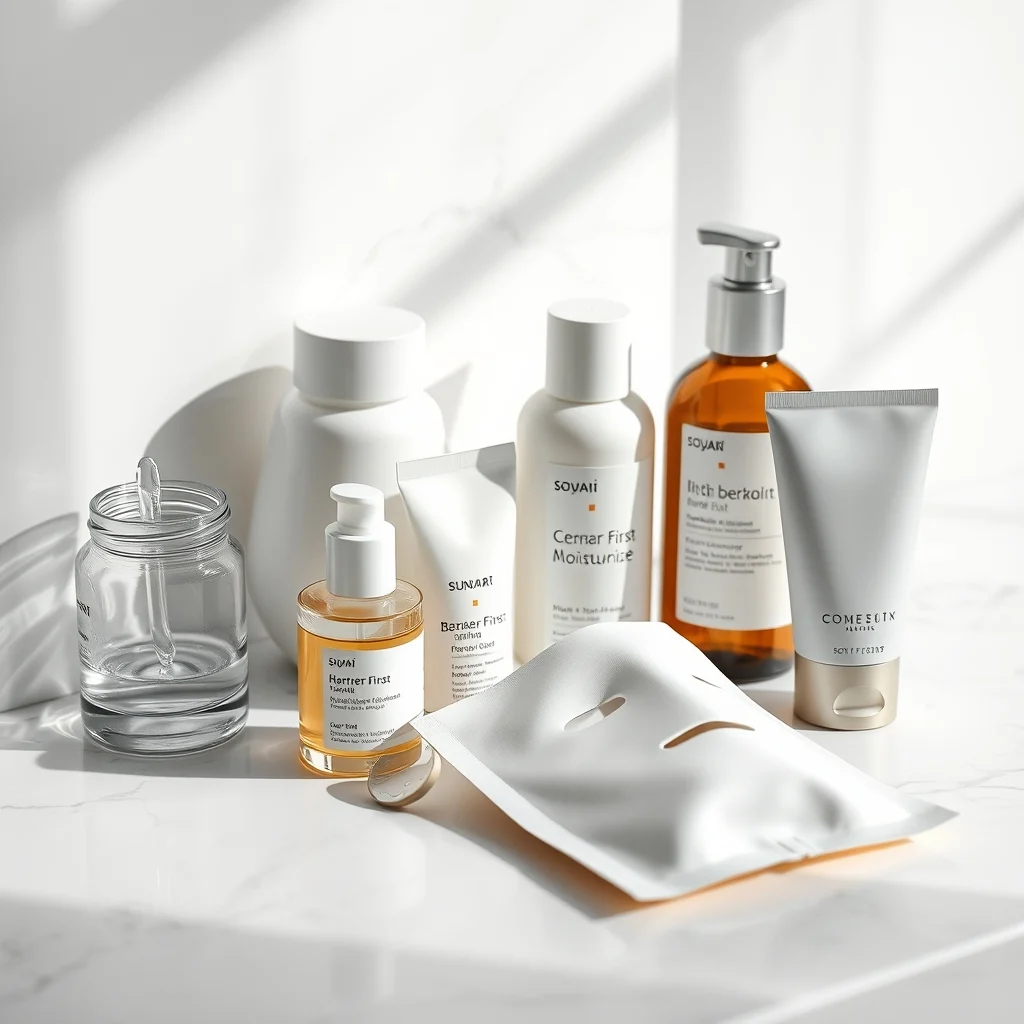
Ever feel like your skincare routine is more complicated than a puzzle, but you’re still left with dull, irritated skin? The answer might lie in simplifying your approach while prioritizing your skin’s natural defenses. K-beauty’s latest shift toward barrier-first, skinimalism routines is here to transform how you care for your skin—without overwhelming you with steps or harsh ingredients.
This approach focuses on strengthening your skin’s protective layer first, then layering in essential, gentle products to maintain balance. It’s about working with your skin, not against it, and it’s gaining traction for good reason. Whether you’re new to K-beauty or a seasoned pro, understanding this philosophy can help you achieve healthier, more resilient skin with fewer products and less fuss.
Let’s break down how you can seamlessly integrate these trends into your routine, starting with the basics.
The Core of Barrier-First Skincare: What It Means for You
Barrier-first skincare revolves around protecting and repairing your skin’s natural barrier—the outermost layer that locks in moisture and shields against environmental damage. When this barrier is compromised, your skin becomes more susceptible to irritation, dryness, and even premature aging. The beauty of this approach is that it starts with the fundamentals: hydration, gentle cleansing, and soothing actives.
Unlike traditional skincare routines that often prioritize active ingredients like retinoids or acids, barrier-first routines focus on rebuilding and maintaining the skin’s integrity. This means swapping harsh exfoliants for enzymatic options, using fragrance-free cleansers, and incorporating ceramide-rich moisturizers. The goal is to create a strong foundation that allows your skin to thrive naturally.
This philosophy aligns perfectly with skinimalism, a movement that advocates for simpler, more intentional routines. Instead of layering on 10 products, you’re encouraged to focus on what truly works—whether that’s a lightweight serum, a nourishing essence, or a hydrating sheet mask. The result? Less product clutter, more effective results, and skin that feels balanced and healthy.
For those new to K-beauty, this might feel like a breath of fresh air. The trend emphasizes quality over quantity, ensuring that every product you use serves a purpose without overcomplicating your routine.
How to Start a Barrier-First Routine: Step-by-Step
Transitioning to a barrier-first routine doesn’t have to be overwhelming. Begin by auditing your current products to identify any that might be stripping your skin—think alcohol-based toners, heavy exfoliants, or fragranced products. Replace these with gentler alternatives, such as a hydrating micellar water or a pH-balanced cleanser.
Next, introduce a hydrating essence or a lightweight serum rich in hyaluronic acid or glycerin. These ingredients help plump and soothe the skin, reinforcing its natural moisture barrier. Follow up with a moisturizer that contains ceramides or cholesterol to lock in hydration and strengthen the skin’s protective layer. For extra nourishment, consider adding a night cream or an oil-based treatment to repair and protect overnight.
If you’re prone to irritation, incorporate a soothing ingredient like centella asiatica or panthenol into your routine. These actives help calm redness and promote healing, making them ideal for sensitive skin types. Remember, the key is consistency—give your skin time to adjust and respond to these new products.
For those who love a minimalist approach, you might find that a simple AM routine—cleanser, essence, and SPF—and a PM routine—cleanser, essence, and moisturizer—is all you need. Layering in a sheet mask once or twice a week can also provide an extra boost of hydration without disrupting your barrier.
Why Skinimalism Works: Less Is More
Skinimalism isn’t about deprivation; it’s about intentionality. By focusing on a few key products that address your skin’s specific needs, you reduce the risk of irritation and over-exfoliation. This approach is particularly beneficial for those with sensitive or reactive skin, as it minimizes the chances of introducing new irritants.
The beauty of skinimalism lies in its adaptability. You can customize your routine based on your skin’s concerns—whether it’s dryness, oiliness, or signs of aging. For example, if you’re dealing with dry patches, you might add a hydrating ampoule to your routine, while those with acne-prone skin can opt for a lightweight, non-comedogenic moisturizer.
Another advantage of this trend is its cost-effectiveness. With fewer products in your routine, you’re less likely to accumulate a skincare cabinet full of unused items. Instead, you’re investing in what truly matters—products that deliver results without unnecessary complexity.
For beginners, skinimalism can feel liberating. It removes the pressure of having to try every new trend or product, allowing you to focus on what works for your skin. Over time, you’ll develop a routine that feels effortless and effective.
Common Mistakes to Avoid in Barrier-First Routines
While barrier-first skincare is all about simplicity, there are a few pitfalls to avoid. One of the most common mistakes is skipping sunscreen, even in winter or cloudy weather. UV rays can still damage your skin and compromise its barrier, so applying a broad-spectrum SPF daily is non-negotiable.
Another mistake is over-exfoliating, even with gentle methods. While exfoliation is essential for removing dead skin cells, doing it too frequently can strip your skin’s natural oils and weaken its barrier. Limit physical or chemical exfoliation to 1-2 times a week, and always follow up with a hydrating product.
It’s also important to avoid mixing incompatible ingredients. For example, pairing a vitamin C serum with an alpha-hydroxy acid (AHA) can increase irritation. Instead, introduce actives gradually and monitor how your skin responds. If you notice redness, tightness, or discomfort, take a break and reassess your routine.
Lastly, don’t underestimate the power of a good night’s sleep and a balanced diet. Your skin’s barrier is influenced by internal factors like hydration, nutrition, and stress levels. Prioritizing these aspects can enhance the effectiveness of your skincare routine and contribute to overall skin health.
Barrier-First vs. Professional Treatments: What’s the Right Choice?
While barrier-first skincare is incredibly effective for daily maintenance, there may come a time when you consider professional treatments like chemical peels, microneedling, or laser therapy. These treatments can address deeper skin concerns, such as acne scars, fine lines, or pigmentation, but they require preparation and aftercare to protect your skin’s barrier.
Before undergoing a professional treatment, it’s wise to strengthen your skin’s barrier with a gentle, hydrating routine. This ensures your skin is in the best possible condition to heal and respond to the treatment. Afterward, follow your dermatologist’s aftercare instructions closely, focusing on soothing and repairing your skin with products like aloe vera gel or a ceramide-rich moisturizer.
That said, barrier-first skincare isn’t meant to replace professional treatments entirely. Instead, it complements them by providing a solid foundation for your skin’s health. Think of it as a partnership: your daily routine maintains your skin’s resilience, while professional treatments tackle deeper concerns when needed.
For those on a budget, barrier-first skincare offers a more accessible alternative to expensive treatments. By focusing on prevention and maintenance, you can avoid the need for costly procedures and keep your skin looking its best naturally.
Embracing the Shift: How to Get Started This Week
Ready to give barrier-first, skinimalism a try? Start by decluttering your skincare cabinet and keeping only the essentials. Choose a gentle cleanser, a hydrating essence, and a moisturizer with ceramides. If you’re unsure where to begin, opt for multi-functional products that combine hydration and protection, such as a hydrating serum with SPF.
Introduce one new product at a time to gauge how your skin responds. For example, swap your current toner for a hydrating essence, then add a moisturizer with ceramides. Over the next few weeks, observe any changes in your skin’s texture, hydration levels, and overall appearance.
Don’t be afraid to experiment with textures and ingredients. If you prefer oils over creams, look for lightweight, non-greasy options. If you love the feel of sheet masks, incorporate them into your routine 1-2 times a week for an extra hydration boost. The key is to listen to your skin and adjust as needed.
Lastly, remember that skincare is a journey, not a destination. What works for you today might evolve over time, and that’s okay. The goal is to find a routine that makes you feel confident and comfortable in your skin.
As you explore K-Beauty trends & innovations, this barrier-first, skinimalism approach offers a refreshing and effective way to care for your skin without the complexity. By focusing on what truly matters—hydration, protection, and simplicity—you’ll be well on your way to achieving healthier, more radiant skin. Start small, stay consistent, and enjoy the process of discovering what works best for you.
You may also like
-
K-Beauty Trends & Innovations: Quick Tips for Busy People to Glow Effortlessly
-
K-Beauty Trends 2024: A Beginner’s Guide to Skinimalism & Barrier-First Routines
-
K-Beauty Trends 2024: A Beginner’s Guide to Barrier-First, Skinimalism Approach
-
K-Beauty Trends 2024: A Beginner’s Guide to Peptide & Regenerative Actives for Youthful Skin
-
K-Beauty Trends 2024: A Beginner’s Guide to Peptide & Regenerative Actives for Youthful Skin